


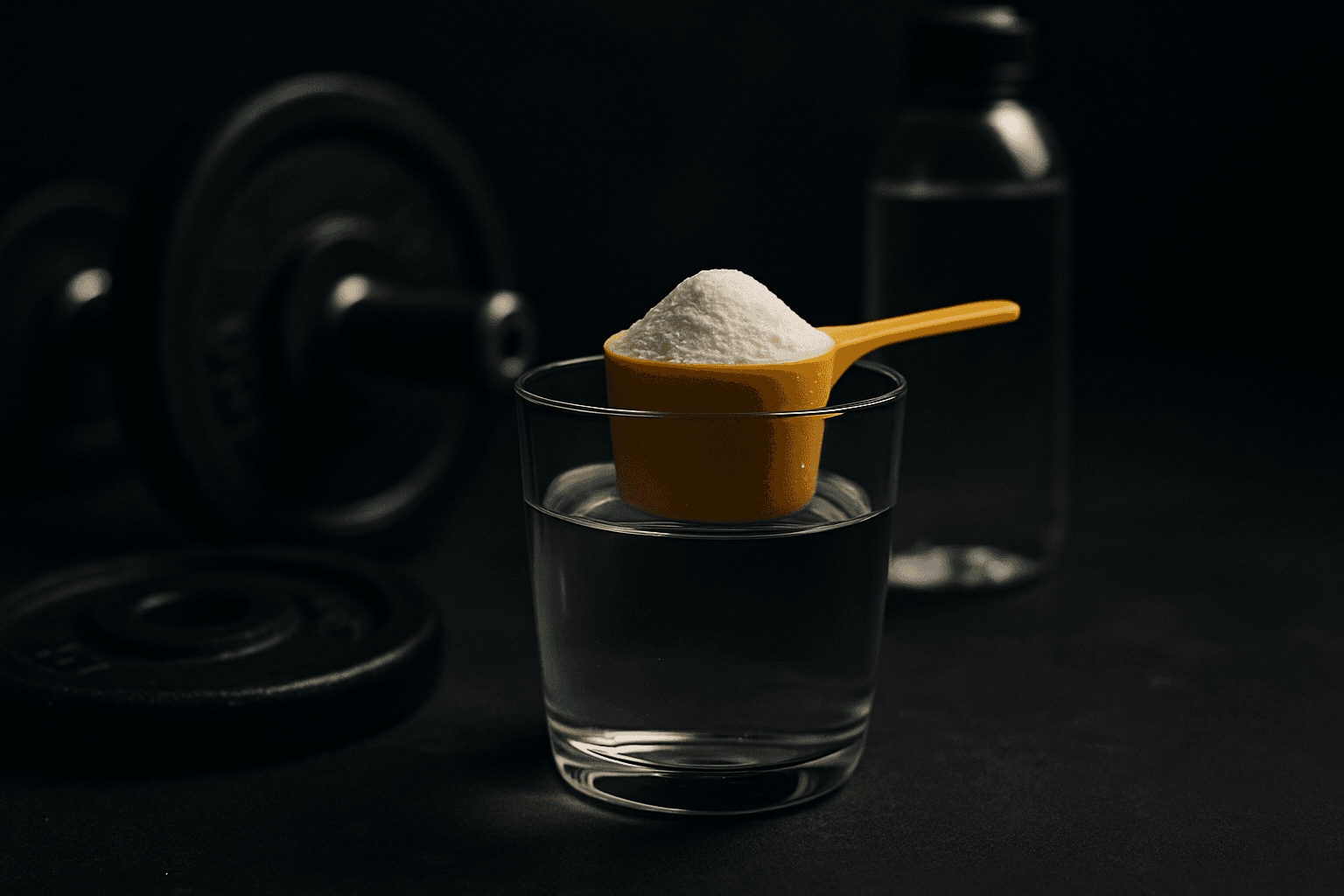
Creatine isn’t just for bodybuilders; it’s a powerhouse supplement that can enhance performance across various sports. While many athletes swear by its benefits, there’s a lot of confusion surrounding how it works and how to use it effectively. Let’s unpack the basics of creatine, from its biological role to practical supplementation strategies.
Common claim
Many believe that creatine is only beneficial for high-intensity workouts or for gaining muscle mass. This perception limits its potential applications. In reality, creatine can enhance performance in a range of activities, including endurance sports, by improving recovery and reducing muscle damage.
What the evidence says
Creatine is naturally produced in the body, primarily in the kidneys, liver, and pancreas, at a rate of about 1-2 grams per day. Most of it is stored in muscle tissue, where it plays a crucial role in energy production during short bursts of high-intensity activity. When supplemented, typically at doses of 5 to 10 grams daily, it can significantly boost muscle creatine stores, which may enhance performance and recovery.
Research shows that creatine supplementation can improve strength, power output, and muscle mass. A meta-analysis of 19 randomized controlled trials found that creatine can positively influence VO2max, a key indicator of aerobic fitness, and enhance performance in both strength and endurance activities. Participants who supplemented with creatine reported greater improvements in strength compared to those who did not, indicating its efficacy in various training regimens.
Moreover, creatine has been shown to spare muscle glycogen during high-intensity intermittent exercise, allowing athletes to perform better for longer. This is particularly useful in sports that require repeated sprints or bursts of power, such as soccer or basketball. Interestingly, despite some studies reporting increased markers of muscle damage with creatine, these participants also demonstrated enhanced strength gains, suggesting that muscle damage does not always correlate with performance.
Practical takeaway
If you’re considering creatine for your training, start with a loading phase of around 20 grams per day for the first week, divided into four doses. After that, a maintenance dose of 3-5 grams daily is sufficient to keep muscle creatine levels elevated. You can mix creatine with water or your favorite post-workout shake—just ensure you stay hydrated, as creatine draws water into muscle cells.
For those involved in endurance sports, creatine can still be beneficial. While it may not directly enhance endurance performance, it aids in recovery and reduces muscle soreness, allowing for more effective training sessions. This is particularly relevant for athletes who engage in high-volume training or those who experience muscle fatigue during prolonged exercise.
Caveats
While creatine is generally safe for most people, it’s essential to consult with a healthcare professional before starting any supplementation regimen, especially if you have pre-existing health conditions or concerns. Individual responses to creatine can vary, and some may experience gastrointestinal discomfort or water retention. Moreover, the long-term effects of creatine supplementation are still being studied, so staying informed through reliable sources is crucial.
In summary, creatine is a versatile supplement that can enhance performance across various sports. By understanding its mechanisms and how to incorporate it into your routine, you can unlock its full potential. As always, consult a healthcare professional for personalized advice regarding supplementation.
References
- Research Breakdown on Creatine — examine.com
- Do the effects of creatine and beta-alanine differ if you take them together? — examine.com
- The paradoxical effect of creatine monohydrate on markers of muscle damage — examine.com
- The effect of creatine supplementation on VO2max — examine.com
- All About Creatine — precisionnutrition.com