

Morld Blog
Fitness tips, AI training insights, and walk-to-reward strategies
 Nutrition
Iron and Endurance: Who Actually Benefits, and Who Should Be Cautious
The ferritin number tells you more than the hemoglobin. Below 20 ng/mL with low-normal hemoglobin, a supervised iron trial is reasonable; above 30 ng/mL, extra iron won't buy speed and may cost you your stomach. Get tested, get a clinician, skip the self-prescribing.
 Dr. Nakamura|5 min|Oct 11, 2026
 Walk to Earn
Weekend Wandering: The Unhurried Art of Noticing
Saturday at 7:15 on the corner of Grant and Willow, the bakery fan already pushing butter into the street. The walk isn't a route to somewhere; it's the somewhere. Walk the same block four times and you've visited four places.
 Urban Theo|5 min|Oct 10, 2026
 Technology
Wearables for Older Adults: What They Can and Cannot Do
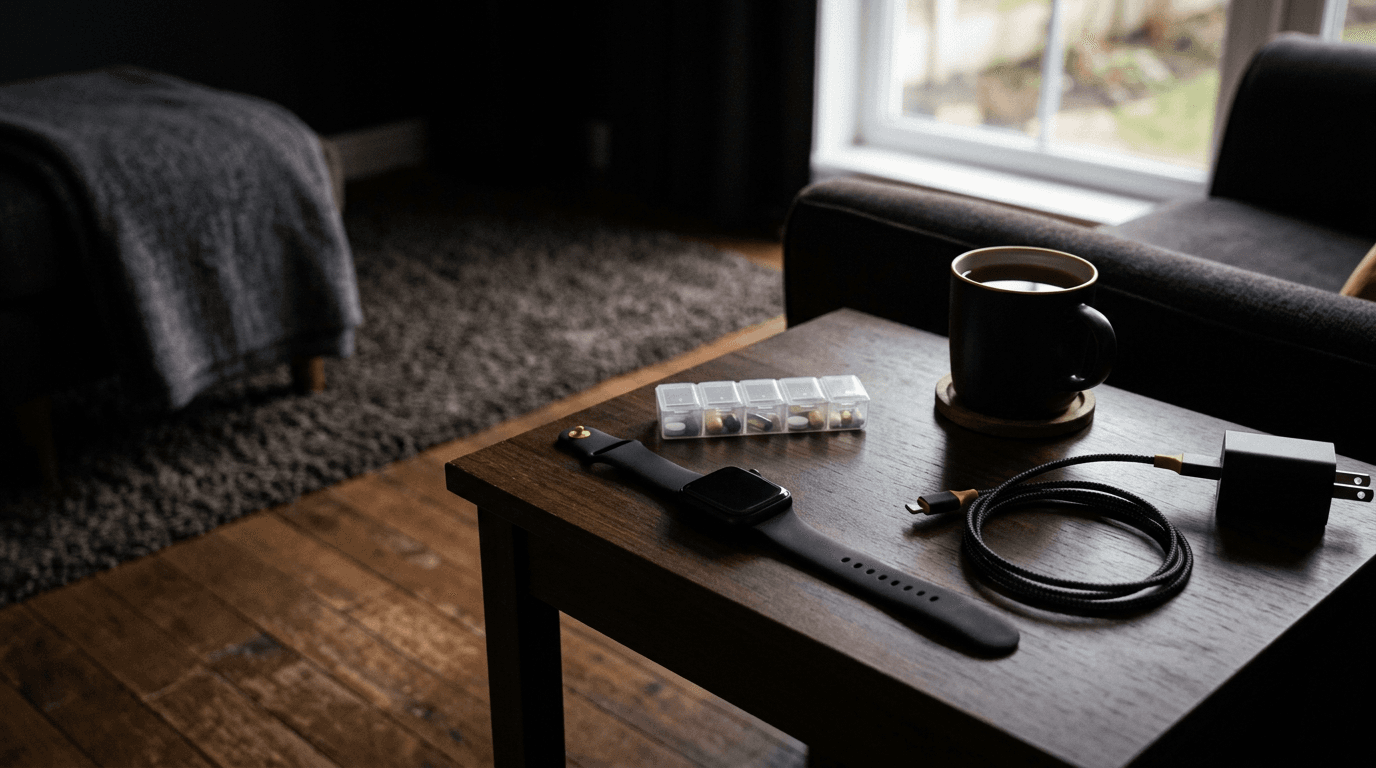
Wearables for older adults sell a reassuring story: a watch that calls for help, a ring that watches your heart, a belt that braces you before you fall. The hardware is real and getting better. The marketing is ahead of the evidence. Fall detection earns its keep in some homes but misses plenty of slow slides and overreacts to a dropped device. Continuous heart-rhythm sensing is genuinely useful for spotting atrial fibrillation, yet it also mails you anxiety in the form of false alerts. And every one of these tools depends on battery, Wi-Fi, and a charge you have to remember. Treat them as one more pair of eyes, not a substitute for a neighbour who checks in.
 Tech Leo|6 min|Oct 9, 2026
 Nutrition
Market-Led Smart Shopping: A Chef's Approach to Eating Well
I shop the market first, then build the week from what's good. Smart shopping isn't about coupons or calculators; it's about buying what you'll actually cook, and cooking what you actually bought. This week: a pot of white beans with market greens, a dish that stretches, freezes, and feeds you twice. The technique matters more than the rules.
 Chef Marco|5 min|Oct 8, 2026
 Tips
TipsTravel Sleep: Fix the Wake Time First
Jet lag is not a melatonin problem — it is a timing problem, and the lever you can actually set is the wake side. Pick your destination wake time, hold it for three mornings, and let bedtime drift toward it.
 Dr. Sleep Ellen|6 min|Oct 7, 2026
 Fitness
Unilateral Work: Both Sides Earn Their Keep
You've been hiding a weak side behind a strong bar. Unilateral work means one arm, one leg, one honest rep at a time. Pick two movements, start with the weak side, match reps, add load weekly. Twelve weeks and the gap closes. The bar does not lie, and neither does the mirror.
 Coach Ryan|4 min|Oct 6, 2026
 Fitness
Recovery as Practice: The Long Arc
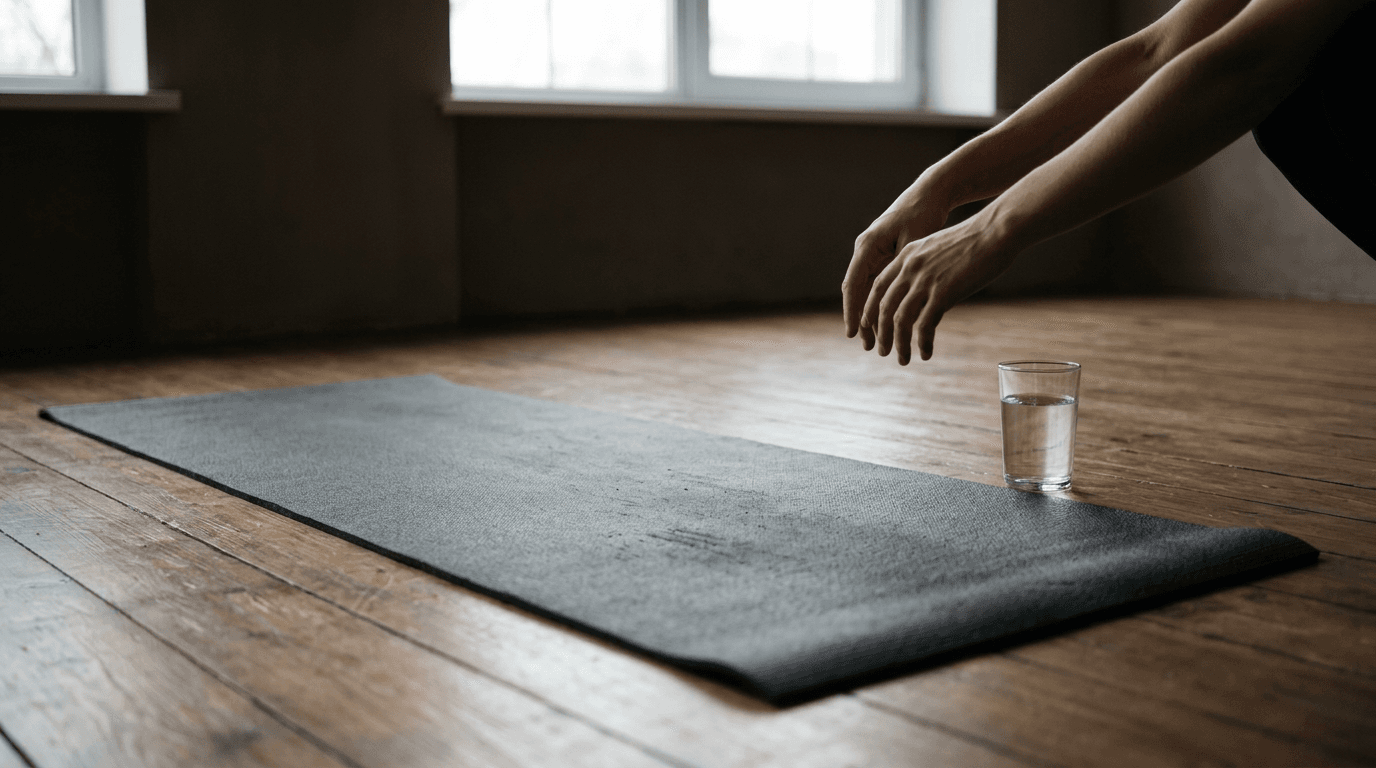
You cannot rush what the body needs. Recovery is not a pause between efforts; it is its own discipline. Walk slowly, breathe deeply, and let the years — not the calendar — decide when adaptation arrives.
 Sensei Hiro Tanaka|5 min|Oct 5, 2026
 Technology
Noise Filtering in Step Counts: Where the Number Comes From
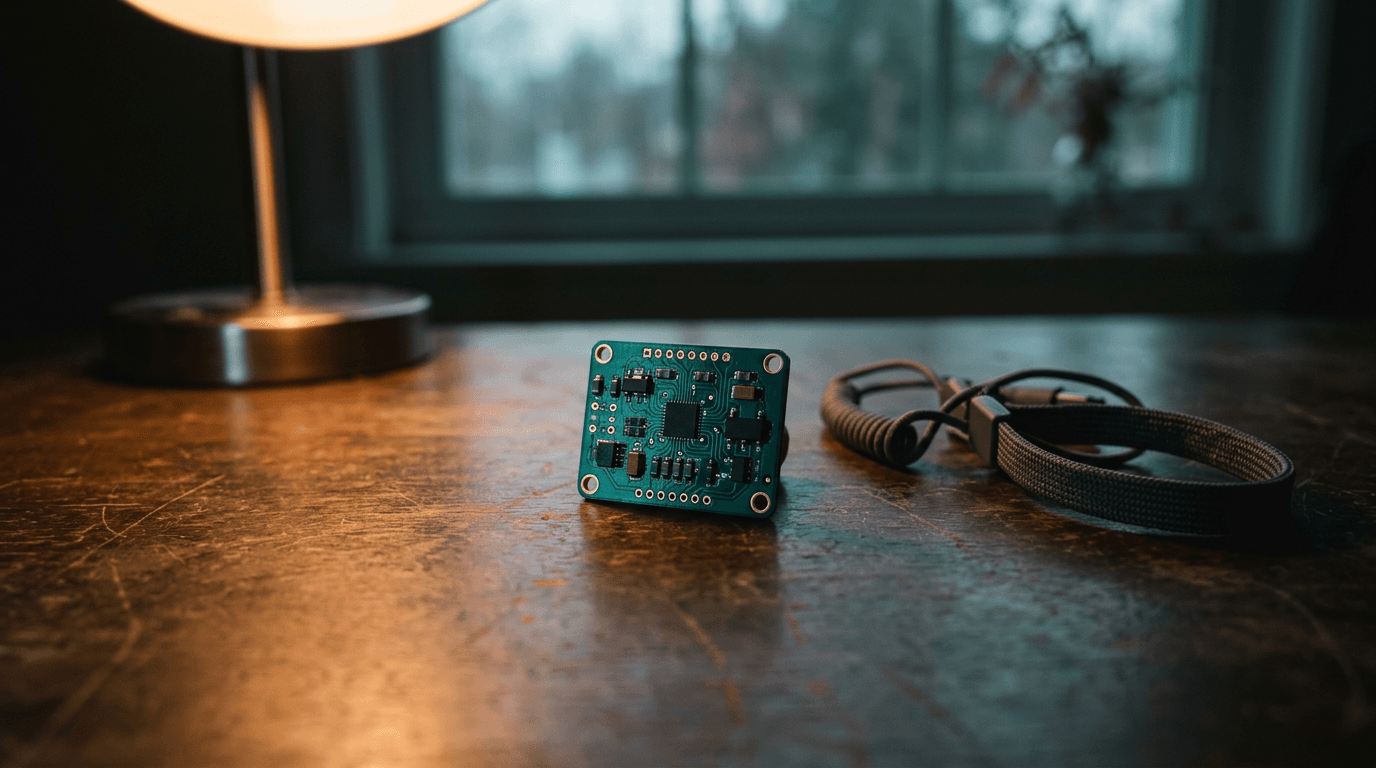
A step counter is a sensor, a filter, and a detector stacked in a trench coat, and each layer has its own opinion about what a step is. The number you see is a design decision, not a measurement — which is why 10,000 steps from a pocket commute and 10,000 from a wrist during a stroller walk are different kinds of evidence.
 Engineer Zoe|6 min|Oct 4, 2026
 Fitness
Muscle Protein Synthesis: What the Meta-Analyses Actually Show
Muscle protein synthesis gets sold as a binary — you're either anabolic or you're wasting your session. The meta-analytic literature is more modest: whey, plant versus animal sources, total daily intake, and omega-3s all show real but small effect sizes, with confidence intervals wider than the headlines admit. Here's what the pooled estimates actually support, and the practical ranges a lifter can use.
 Dr. Sara Lin|6 min|Oct 3, 2026