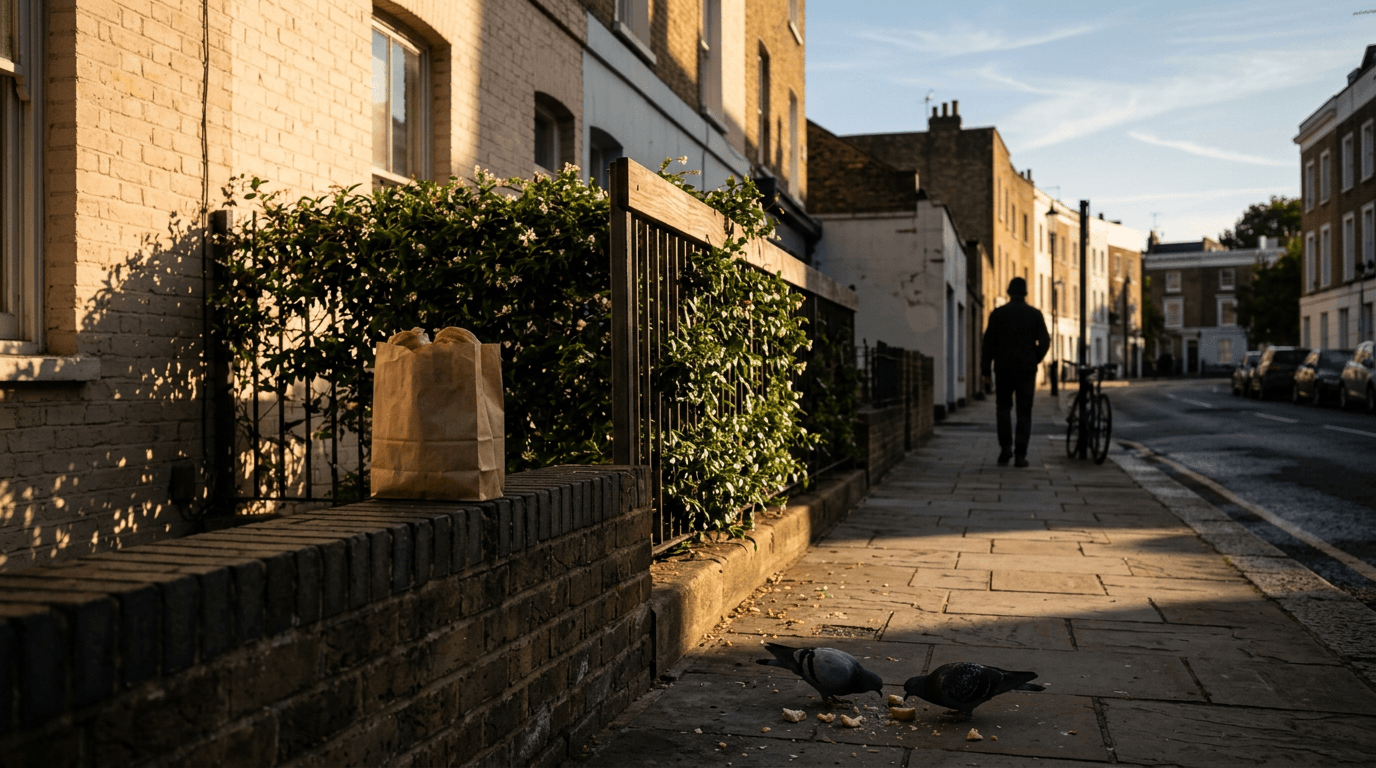


There is something honest about a morning walk before email, especially in a city. The light is still soft, the sidewalks are ours, and the day has not yet filled with other people's urgency. We do not need to walk far. Twenty minutes is enough. We find the route with the most trees, the quietest side street, the little park that most people rush past. By the time we sit down to work, the day already feels like ours.
The Walking Habit: What We Do
We walk a little after each meal. Ten minutes, no podcast required. But in a city, we must choose our path carefully. A stroll in the park improves lung capacity within an hour, an effect that lasts a full day for many of us. A walk along a traffic-clogged street barely registers such a benefit. The same steps, the same effort, yet the air changes everything. So we plan our routes the way we plan our meals: with intention. We look for the green spaces, the riverbanks, the tree-lined blocks. Research shows people in greener neighborhoods are more likely to walk than those in less-green areas. We want to be those people.
Habit Stack Tip: The Blue-Green Route
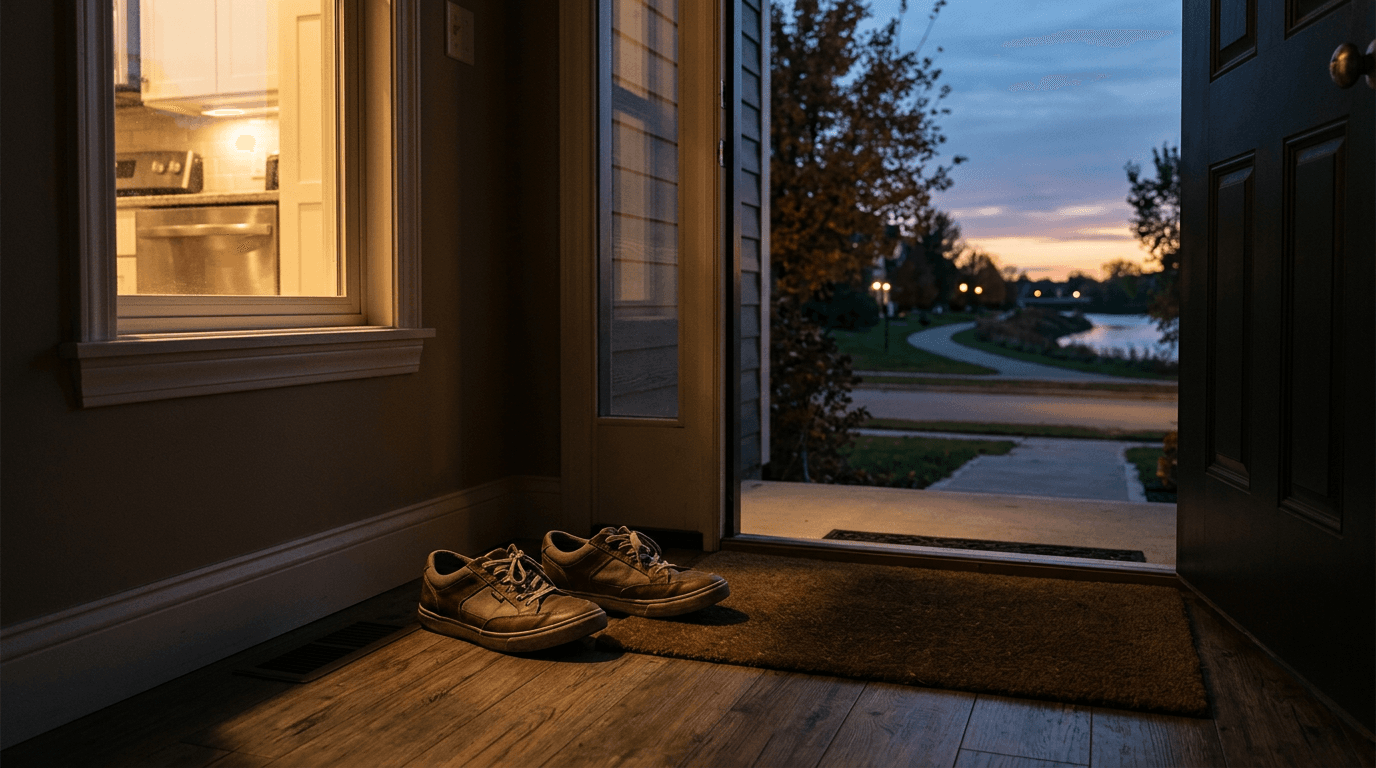
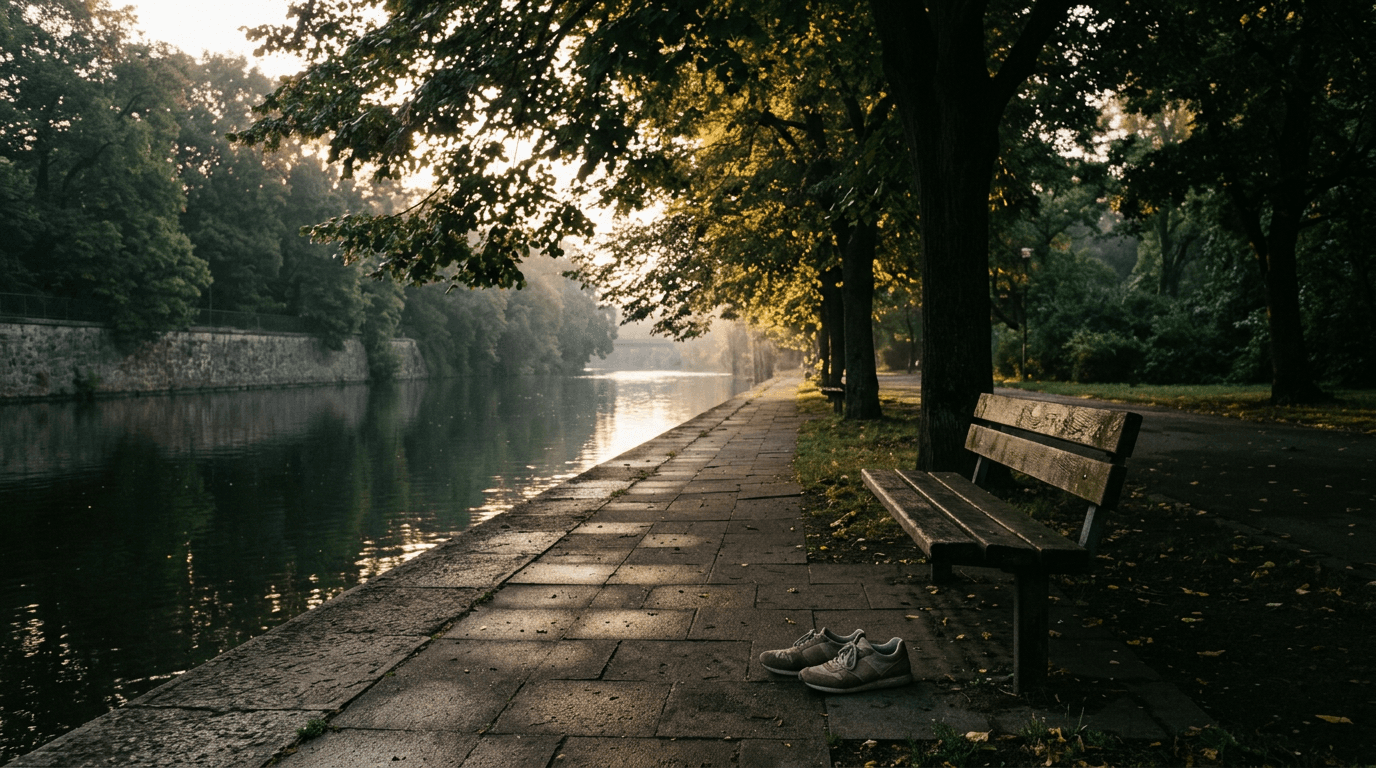
Here is the trick: we stack our walking habit on top of our existing geography. We find our blue space and our green space. Access to coasts, lakes, and rivers makes us more likely to be active and improves our mental health. Parks and forests do the same. So when we leave the house, we turn toward the water or the trees, not the main road. We keep shoes by the door so the decision happens before our brain finds an excuse. We map out three routes: one for morning, one for lunch, one for after dinner. Each one avoids high-density traffic. Each one feels like a small gift. The walk does not need to be long. It needs to be in the right place.
Try Today: One Small Action
Today, let's do one thing. Open a map of our neighborhood and trace a route that touches a park, a river, a lake, or even a quiet tree-lined block. Mark it. Walk it once, just ten minutes. Notice how the air feels different. Notice how our shoulders drop. Notice how the city, which usually demands so much, gives back a little when we walk its softer edges. We do not need a perfect route or a full hour. We need one good path, taken today. Keep shoes by the door. Twenty minutes is enough.
FAQ
Is ten minutes of walking really enough to make a difference?
Yes, if the route is right. Even a short walk in green or blue space improves lung function and mood within the hour, and the effect can last the day. The key is avoiding traffic-clogged streets — the same ten minutes on a busy road barely registers the benefit. So prioritize the path over the pace.
How do I find a blue-green route if my neighborhood is all concrete?
Look for the smallest patches: a single tree-lined block, a community garden, a fountain or pond, even a canal path. These micro-spaces still count. Use a map to trace a loop that touches at least one of them, even if it means walking a few extra minutes to get there. The detour is part of the benefit.
What if I can't walk after every meal?
Don't force it. One intentional walk a day — ideally at the same time — builds the habit better than three irregular ones. The goal is consistency, not perfection. If after lunch is your only slot, take it. The route matters more than the frequency.
References
- Walk this way – it's quite good for you — American Heart Association
- Walking for fitness? Avoid traffic-clogged streets — Harvard Health
- Walkable neighborhoods may pave way to less cardiovascular risk — American Heart Association
- Using the Health Economic Assessment Tools — World Health Organization
Before starting any new walking routine, consult your physician to ensure it suits your personal health needs.