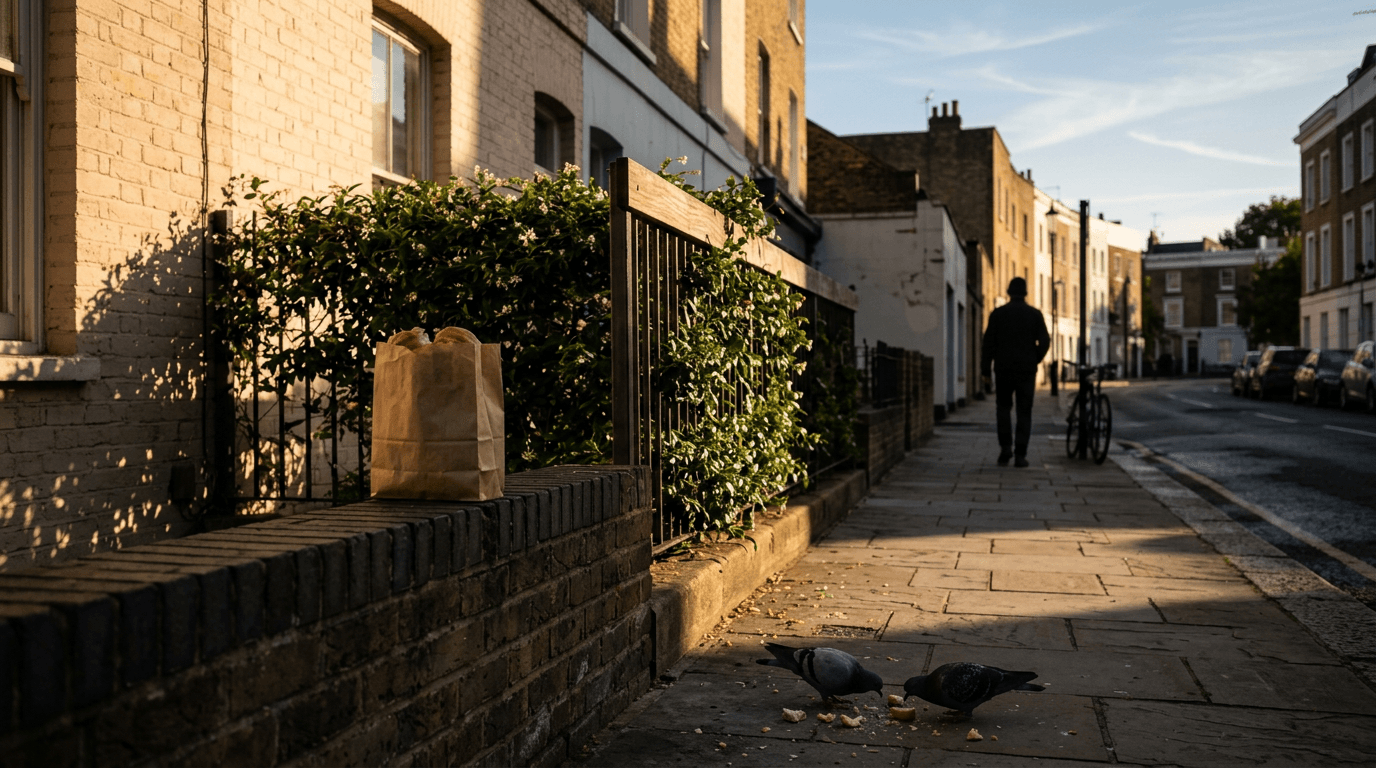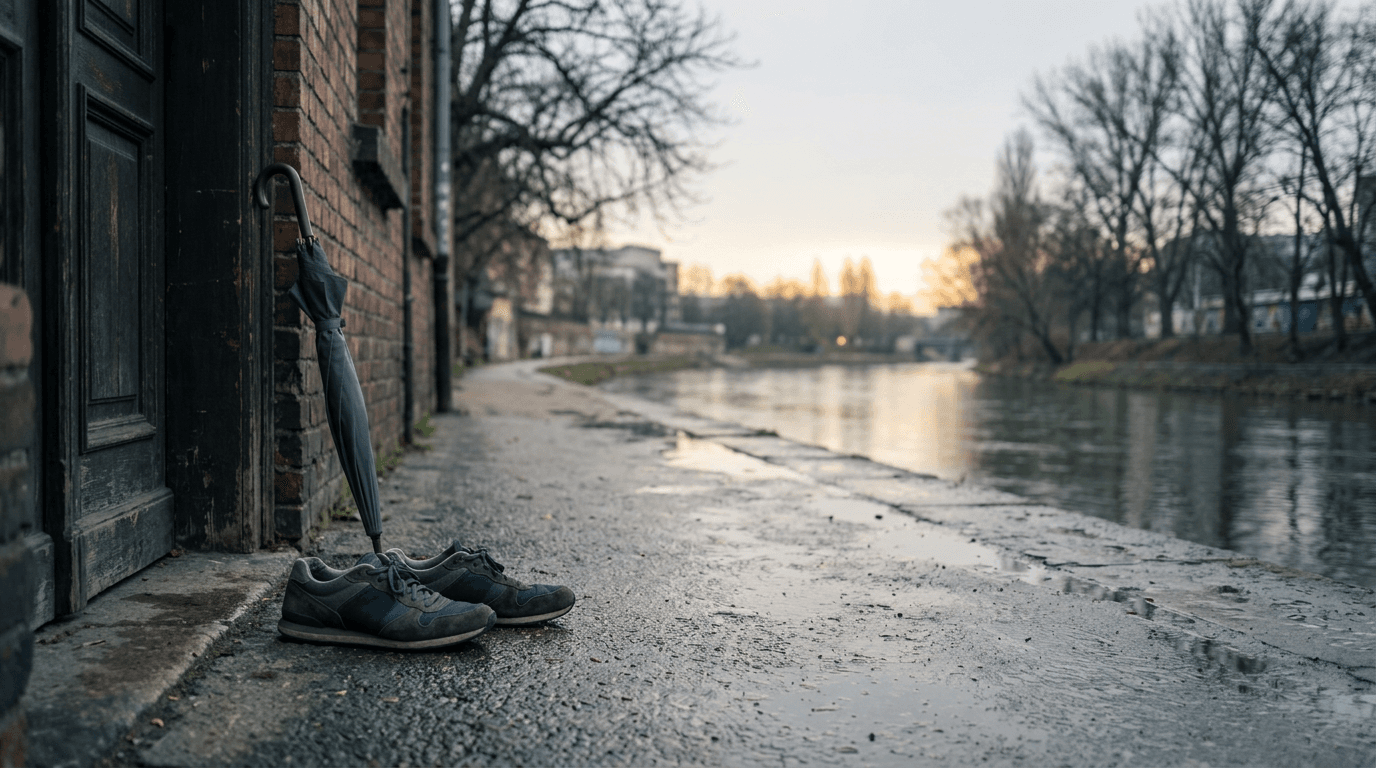


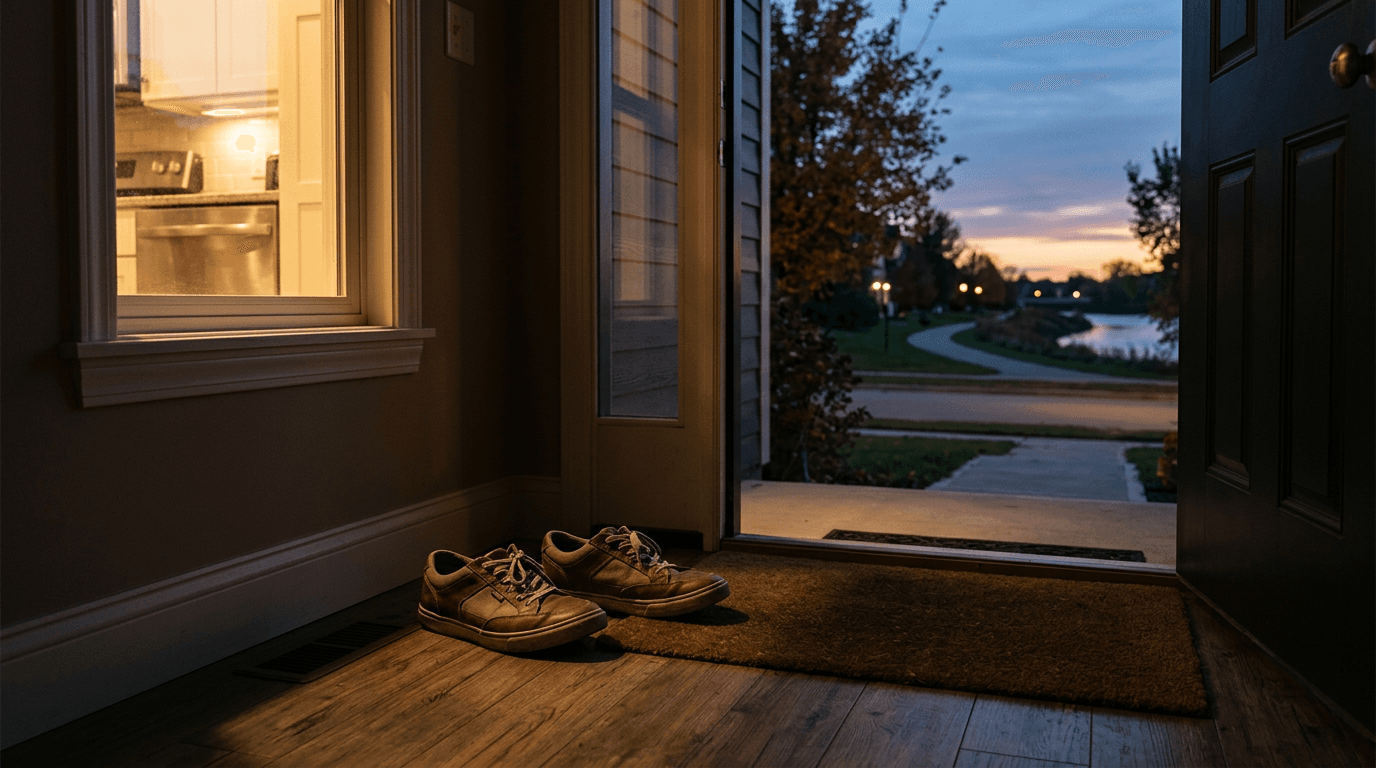
There is something honest about a walk after dinner. The dishes are still warm, the streetlights just flicker on, and the day has not yet hardened into tomorrow. We step outside with no destination, no pace to hit, no one to impress. Ten minutes is enough. By the time we come back, the kitchen feels less like a chore and more like a place we chose to leave. Try it once after your next meal and notice what changes.
A Walk After Meals, Not a Workout
We are not talking about a workout. We are talking about a walk. The kind where we leave the house in whatever shoes are by the door and come back before we can talk ourselves out of it. Mayo Clinic reminds us that physical activity does not need to be hard to help our health, and that something as simple as walking can make a difference. That is the whole point. No changing clothes. No plan. We just stand up after the last bite and move our legs for ten minutes. The food we just ate is breaking down, and our muscles are ready to use some of that energy instead of letting it sit. That is not a fitness goal. That is biology being polite.
Why It Works Better Than We Think
Research gathered by Runner's World suggests that even a leisurely ten-minute stroll after dinner can help regulate blood sugar levels. The muscles being activated during the walk use some of the sugar already in the bloodstream, so the spike after eating is not as sharp. Harvard Health adds that walking can help tame a sweet tooth, with a fifteen-minute walk curbing cravings for chocolate and even reducing how much we eat when we are stressed. And a Harvard study of walking breaks found that short, light walks after sitting can counter some of the effects of a long day in a chair. None of this requires a gym membership. It requires a pair of shoes and a little willingness to be bored for ten minutes.
The Habit Stack: Attach It to Something We Already Do
The easiest way to make this stick is to attach it to something we already do. We already eat dinner. We already clear the table. We already scroll through our phones while the kettle boils. So we stack the walk on top of the meal. After the last plate goes in the sink, we put on our shoes. Not after we check one more email. Not after we finish the episode. Right after the plate. The shoes by the door are the real trick. If the shoes are in a closet, we have to make a decision. If they are by the door, the decision is already made. We just step into them. Ten minutes later, we are back. The walk is not a task on a list. It is a small win we get to take three times a day.
Try Today: One Walk After One Meal
We do not need to start with three walks. We need to start with one. Pick the meal where we are most likely to stay seated, probably dinner. When we finish eating, we stand up, put on the shoes by the door, and walk for ten minutes. No podcast, no step goal, no pace. Just the sidewalk, the evening air, and the sound of our own feet. When we come back, we mark it down somewhere. A dot on a calendar, a note on our phone, anything that says we did it. Tomorrow, we do it again. If we miss a day, we do not quit. We just walk after the next meal. That is the whole method. Small, repeatable, and almost impossible to fail. And if we have any personal medical concerns about blood sugar, blood pressure, or how walking fits with our health, we should consult a physician before making changes.
FAQ
Does it have to be exactly ten minutes?
No. Ten is the floor, not the ceiling. The point is to make the habit too small to fail. If ten minutes feels easy, stretch it to fifteen or twenty — but do not let the perfect number stop you from starting.
What if I walk after lunch at work and have no shoes by the door?
Keep a pair of flat walking shoes in your desk drawer or car. The trick is removing the decision, not the location. A five-minute loop around the block counts just as much as a ten-minute one at home.
Is walking after meals enough on its own, or do I need more exercise?
It is a start, not a full program. The research shows short walks help with blood sugar and cravings, but general guidelines still recommend more activity across the week. Build the after-meal walk first, then add from there.