


Fat loss hinges on energy balance: calories in versus calories out. The 80/20 rule suggests that around 80% of your results come from dietary changes, while 20% stems from physical activity. This isn’t a hard-and-fast rule, but it provides a useful framework for prioritizing your efforts. Audit your current habits: are you focusing too much on exercise while neglecting your diet? If so, it’s time to recalibrate.
Friction Audit
Identify what hinders your progress. Common barriers include lack of time for meal prep, easy access to unhealthy foods, or a busy schedule that limits exercise. For example, if you find yourself frequently eating out due to time constraints, that’s a friction point. Address it by preparing meals in advance or having healthy snacks on hand. Consider your environment: are unhealthy options more accessible than nutritious ones? If so, reduce their availability. The goal is to minimize the friction that leads to poor choices.
Habit-Stack Design
Now, let’s anchor your new habits. Choose a simple dietary change to implement alongside an existing routine. For instance, if you already drink coffee every morning, stack a habit of having a glass of water right after it. This small adjustment can create a ripple effect, leading to better hydration and potentially reducing your appetite. Similarly, if you have a habit of watching TV in the evening, stack a routine of preparing a healthy snack instead of reaching for chips. This way, you’re not only satisfying your cravings but also steering your diet in a healthier direction.
Anchor Cue
Your anchor cue is the trigger that initiates your new habit. It should be something you already do consistently. Let’s say you decide to incorporate more vegetables into your meals. Anchor this to your existing habit of cooking dinner. For example, every time you chop vegetables for your stir-fry, add an additional serving of greens. This cue reinforces the behavior and integrates it into your routine seamlessly. The key here is to ensure that the cue is reliable and consistent, making it easier to adopt the new behavior.
Measurement
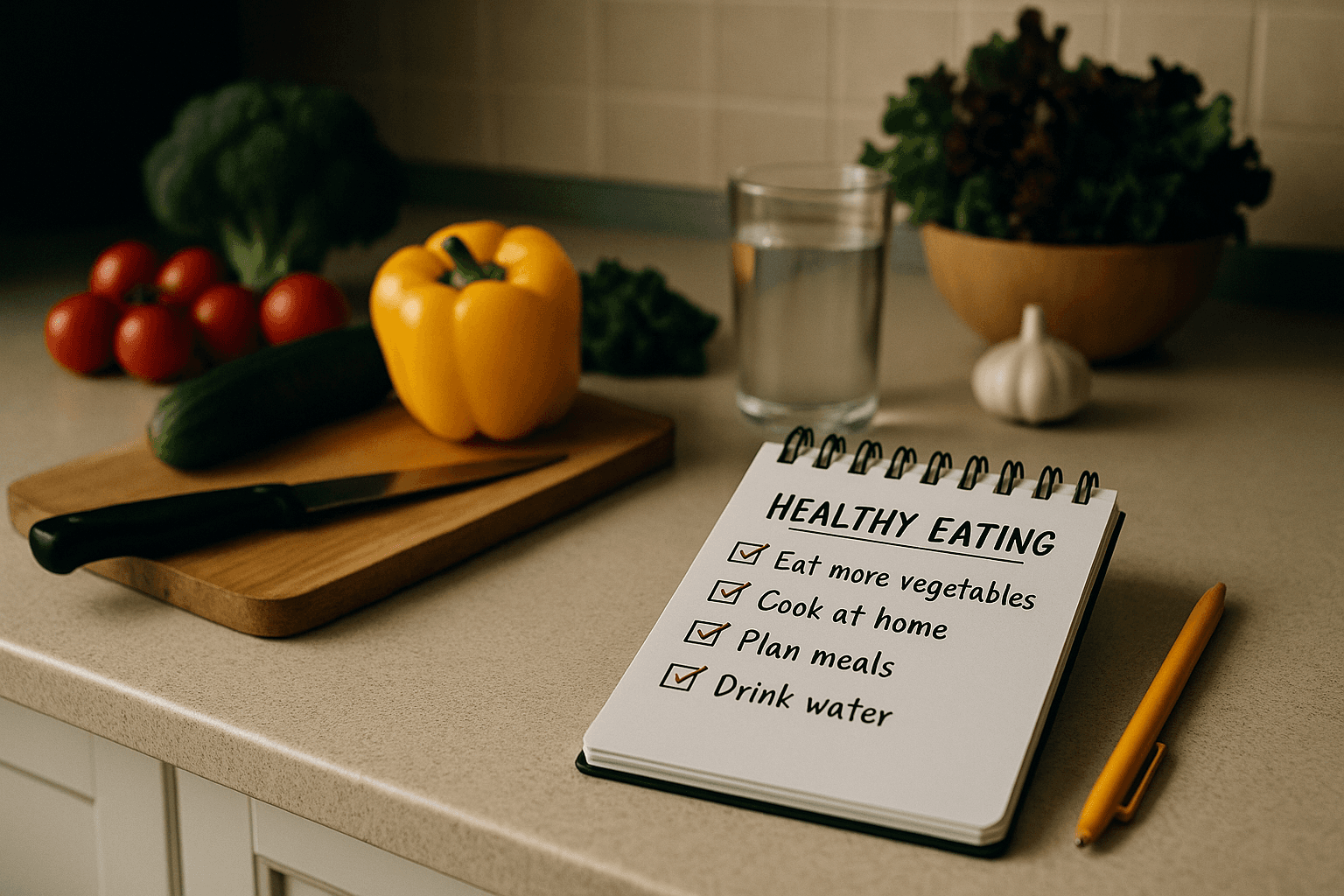
To track your progress, focus on measurable outcomes. Rather than aiming for vague goals like “eat healthier,” specify what that means. For instance, track the number of servings of vegetables you consume each day or the number of meals you cook at home each week. Use a simple checklist: did you hit your vegetable target? Did you prepare meals in advance? This binary measurement—yes or no—provides clear feedback on your adherence to the new habits. Remember, the aim is not perfection but consistency. Celebrate small wins that contribute to your overall goal.
Exercise remains a vital component of weight management, but it often takes a backseat to dietary choices. Regular physical activity helps maintain muscle mass, boosts metabolism, and supports overall health. Aim for at least 150 minutes of moderate activity per week, which can be broken down into manageable chunks. For instance, a brisk 10-minute walk after meals can help regulate blood sugar levels and contribute to your overall activity goals. The combination of dietary changes and consistent exercise creates a synergistic effect, enhancing your weight loss efforts.
Ultimately, the path to fat loss is a balancing act. By focusing on the 80% diet and 20% exercise, you can create a sustainable routine that fits your lifestyle. The most effective weight loss strategies combine both elements, but they don’t need to be complex. Start small, track your progress, and adjust as necessary. If you find yourself struggling, consult a physician or healthcare professional for personalized guidance.
References
- Diet or Exercise Interventions vs Combined Behavioral Weight Management Programs — PMC
- Weight-Loss and Maintenance Strategies — NCBI
- Diet, Excess Body Weight, Physical Activity, Sedentary Behavior — IARC
- Optimal Diet Strategies for Weight Loss and Weight Loss Maintenance — PMC
- Weight loss: Diet and exercise — Mayo Clinic