


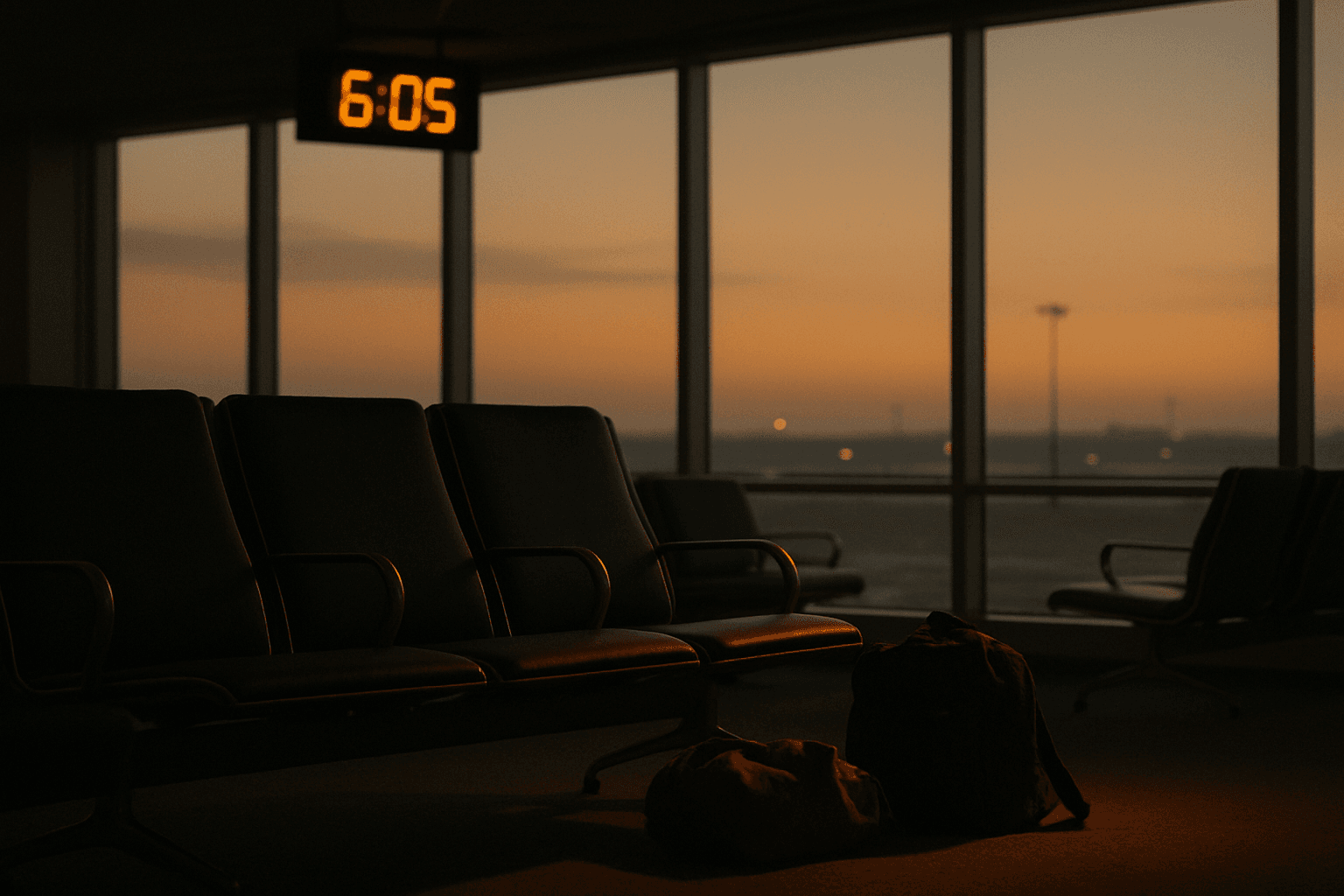
Traveling across multiple time zones can wreak havoc on the body's internal clock, leading to what is commonly known as jet lag. This condition manifests as a range of symptoms, including fatigue, difficulty concentrating, and disrupted sleep patterns. While many travelers believe that simply adjusting their sleep schedule prior to departure can prevent these issues, the reality is more nuanced.
The misconception
Many assume that the primary cause of jet lag is merely the lack of sleep during travel. However, the problem lies deeper, rooted in the disruption of the circadian rhythm. This internal clock regulates various physiological processes, including the sleep-wake cycle, and is heavily influenced by external factors such as light exposure and social cues. When traveling across time zones, the body struggles to realign its circadian rhythm with the new local time, resulting in a mismatch that can lead to the unpleasant symptoms of jet lag.
What the data shows
Research indicates that the severity of jet lag symptoms can vary significantly based on several factors, including the number of time zones crossed and the direction of travel. Eastward flights, for instance, tend to be more challenging than westward ones due to the need to advance the body clock rather than delay it. A study involving patients experiencing sleep-onset difficulties after eastward travel found that those treated with ramelteon, a melatonin receptor agonist, showed a significant decrease in the time it took to fall asleep (LPS) during the first few days after arrival. This suggests that pharmacological interventions can be beneficial for some travelers.
In addition to medication, behavioral strategies play a crucial role in managing jet lag. Timed exposure to bright light can help reset the circadian clock, particularly when done in conjunction with melatonin supplementation. For example, if traveling east, exposure to morning light upon arrival can assist in advancing the circadian rhythm, while avoiding light in the evening can help promote sleep. Conversely, when traveling west, evening light exposure can facilitate the adjustment.
One careful tip
A practical approach to mitigate jet lag is to gradually adjust your sleep schedule before your trip. Aim to shift your bedtime and wake time by 30 minutes to an hour each day leading up to your departure. This gradual adjustment allows your body to start aligning with the new time zone before you even arrive. The careful tip is to prioritize light exposure in the morning following your arrival, as this can significantly help in resetting your internal clock.
For those who find themselves struggling with persistent jet lag symptoms despite these adjustments, it may be worth considering melatonin supplements. Melatonin is a hormone that plays a vital role in regulating sleep-wake cycles. Studies have shown that melatonin, particularly when taken at the appropriate times, can help alleviate the symptoms associated with jet lag. However, it is crucial to consult with a healthcare professional before starting any new supplement regimen, especially for individuals with underlying health conditions or those taking other medications.
When to see a clinician
If jet lag symptoms persist for more than a few days or significantly interfere with daily functioning, it is advisable to seek guidance from a healthcare provider. Chronic sleep disturbances can indicate underlying sleep disorders or other health issues that may require professional intervention. A clinician can provide personalized recommendations based on individual health needs and travel patterns.
References
- Jet Lag: Current and Potential Therapies — pmc.ncbi.nlm.nih.gov
- Circadian Rhythm Sleep Disorders: Part I, Basic Principles, Shift Work and Jet Lag Disorders — pmc.ncbi.nlm.nih.gov
- Approaches to the Pharmacological Management of Jet Lag — pmc.ncbi.nlm.nih.gov
- Circadian rhythm as a therapeutic target — pmc.ncbi.nlm.nih.gov
- Jet lag disorder - Diagnosis and treatment — mayoclinic.org