


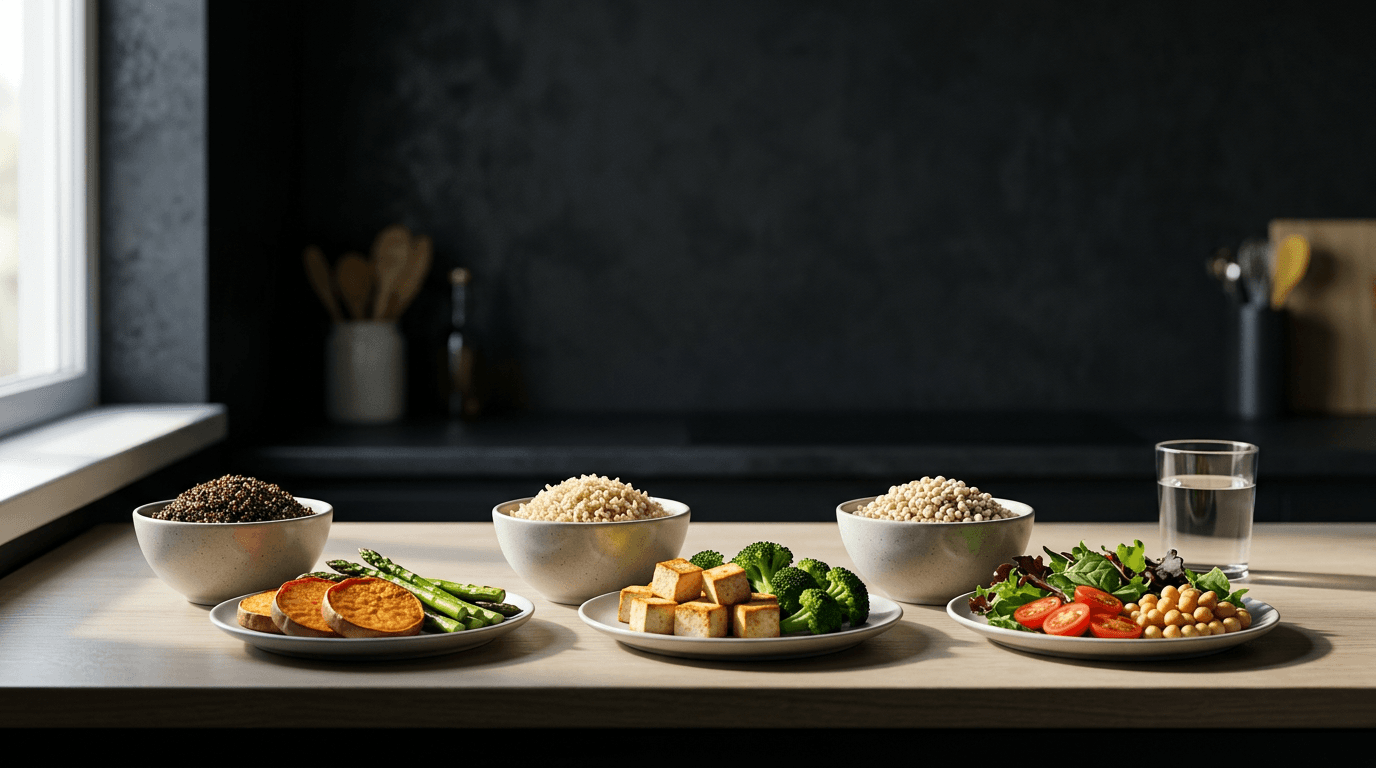
You have probably heard that eating six small meals a day stokes your metabolism and keeps hunger in check. The evidence is more relaxed than the headlines. Meta-analyses of randomized controlled trials find little difference in fat loss between three and six meals when calories and protein are matched. Appetite is a separate question, and the answer depends on your training load, your schedule, and how you tolerate hunger. Ranges, not points: three to six meals daily works for most active adults. What matters more is total intake, protein distribution, and whether the pattern you choose is one you can actually keep. Convenient, not magical.
The common claim: more meals, faster metabolism?
For years, the advice was to eat small, frequent meals to "keep the metabolic fire burning." The idea was that each meal has a thermic effect, so more meals would mean more calories burned. It sounds plausible, and it made its way into diet books and clinic handouts. But the thermic effect of food is proportional to the total calories and macronutrients you eat, not to how many times you sit down. Splitting the same intake into six meals instead of three does not increase 24-hour energy expenditure in any meaningful way. The other half of the claim is appetite control: that frequent meals keep hunger hormones steady and prevent overeating later. That one has more nuance, and it depends on the person and the meal composition.
What the evidence says
A 2020 systematic review and network meta-analysis of randomized controlled trials examined meal frequency and anthropometric outcomes. The authors concluded that the relation between meal frequency and obesity measures is inconclusive; when calories are controlled, different frequencies produce similar results. A 2015 meta-analysis by Schoenfeld and colleagues reached a similar conclusion for weight loss and body composition: no consistent advantage for higher meal frequency when total intake is matched. On appetite, a recent study summary from Examine looked at whether more meals mean less hunger. The findings suggest that appetite responses vary; some people report better control with fewer, larger meals, while others prefer smaller, more frequent ones. The American Society for Nutrition also published a systematic review and meta-analysis on portion size and ingestive frequency, finding that frequency alone is not a reliable driver of energy intake or body weight in controlled feeding trials. In short: the evidence grade for "more meals speeds metabolism" is low; for "meal frequency is a tool you can use to manage hunger," it is moderate but highly individual.
Practical takeaway: pick a pattern you can keep
Here is the executable move: set your total daily calories and protein first, then choose a meal frequency between three and six that fits your schedule and appetite. For most active adults, three to five meals works well. If you train twice a day or have a physically demanding job, you may prefer five or six smaller meals. If you prefer larger meals and feel fine between them, three is perfectly acceptable. Distribute protein across those meals: roughly 0.4 grams per kilogram of bodyweight per meal, or about 25 to 40 grams for most people, is a reasonable target. That is a range, not a point. The kitchen analogy: think of your daily intake as a pot of soup. You can serve it in three bowls or six cups; the total nourishment is the same. What changes is how full you feel and how well you absorb the protein. So experiment for two weeks, note your hunger and energy, and keep the pattern that lets you hit your totals without white-knuckling it.
Caveats and medical disclaimer
Meal frequency is not a magic lever. If you have diabetes, hypoglycemia, or a history of disordered eating, the number and timing of meals can affect blood sugar and hunger in ways that need individual attention. Athletes with high energy needs may find that fewer meals make it hard to eat enough; in that case, adding a meal or a snack is a practical solution, not a metabolic one. People with gastrointestinal conditions such as reflux or irritable bowel syndrome may tolerate smaller, more frequent meals better. And if you are using meal frequency to chase a specific body composition goal, remember that total calories and protein still do the heavy lifting. The evidence does not support skipping meals as a strategy for "boosting metabolism," nor does it support forcing six meals if three suit you. This article is general information, not personal medical advice. For any nutrition-specific concerns, consult a registered dietitian or physician who can review your history and goals.
FAQ
Does eating six small meals really boost my metabolism?
No, not in any meaningful way. The thermic effect of food scales with total calories and macronutrients, not with how many times you sit down to eat. Splitting the same intake into six meals instead of three does not raise 24-hour energy expenditure.
How much protein should I eat per meal?
Roughly 0.4 grams per kilogram of bodyweight per meal — about 25 to 40 grams for most people — is a reasonable target. That is a range, not a point, and the total daily protein matters more than any single meal.
Is three meals a day enough if I train hard?
Often yes, but it depends on your energy needs. Athletes with high training loads may find three meals too few to eat enough, in which case adding a meal or snack is a practical fix — not a metabolic one. If you have diabetes, hypoglycemia, or a history of disordered eating, talk to your physician or a registered dietitian before changing your meal pattern.