


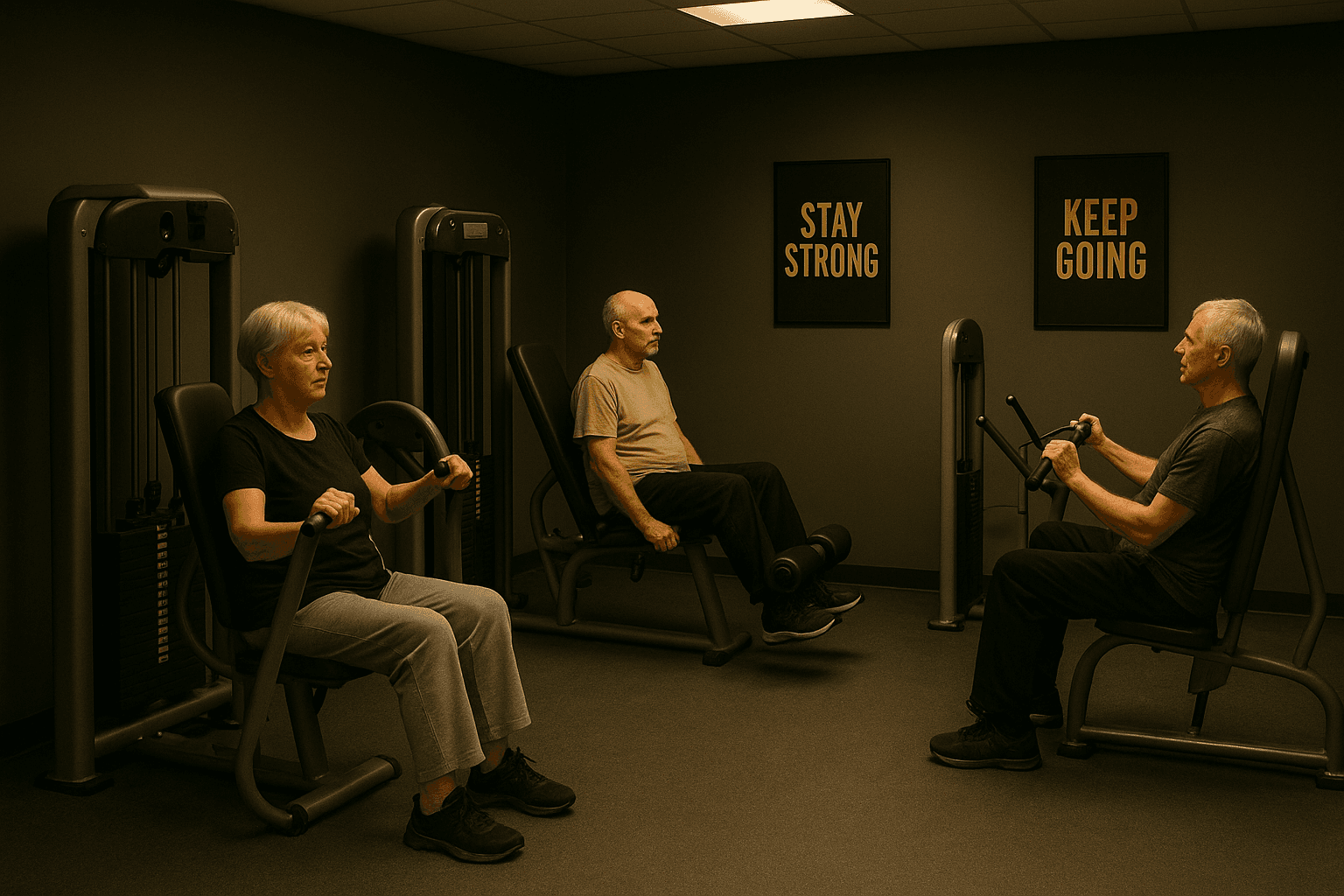
The efficacy of resistance training for older adults has garnered substantial attention in recent literature, particularly as the population ages. Systematic reviews and meta-analyses indicate that engaging in resistance training can lead to significant improvements in muscle strength, functional exercise capacity, and overall quality of life among individuals aged 60 and above. A meta-analysis encompassing 47 trials revealed a pooled effect size of 0.48 for strength outcomes, suggesting a clinically relevant increase in knee extension strength. This underscores the potential of resistance training as a critical component of health interventions for older adults.
Mechanism and Physiology
Resistance training primarily stimulates muscle hypertrophy and neuromuscular adaptations, which are essential for maintaining independence in older populations. The physiological mechanisms involved include increased recruitment of motor units and enhanced muscle fiber cross-sectional area. Importantly, these adaptations are not merely beneficial for strength; they also contribute to improved balance and reduced fall risk, which are critical concerns for older adults. The inflammatory response to resistance training may also play a role in the recovery and adaptation processes, although the exact pathways remain an area of ongoing research.
Evidence Summary
Recent meta-analyses present compelling evidence supporting the benefits of resistance training. For instance, a systematic review indicated that resistance training significantly improved quality of life and reduced symptoms of depression, with effect sizes ranging from 0.48 to 0.66. These findings highlight the multifaceted benefits of such interventions, extending beyond mere physical improvements to encompass mental health outcomes as well. Furthermore, studies have shown that supervised training programs may yield greater enhancements in physical function compared to unsupervised approaches, although both modalities can be effective depending on individual circumstances.
Practical Application
For practitioners working with older adults, it is essential to tailor resistance training programs to individual capabilities and preferences. A balanced approach that incorporates both supervised and unsupervised training can maximize adherence and outcomes. Recommendations typically suggest a frequency of two to three sessions per week, focusing on major muscle groups with a variety of exercises to promote engagement and prevent monotony. Importantly, practitioners should prioritize safety and ensure that exercises are performed with appropriate technique to mitigate injury risk.
Caveats and Limitations
While the evidence supporting resistance training is robust, several caveats warrant consideration. Many studies included in meta-analyses have heterogeneous populations, which can complicate the generalizability of findings. Additionally, the varying quality of included trials may influence the reliability of effect sizes reported. It is also crucial to recognize that individual responses to training can vary widely based on factors such as baseline fitness level, comorbidities, and adherence to prescribed interventions. Therefore, practitioners should continuously assess and adapt training programs to meet the evolving needs of older adults.
References
- Unsupervised home-based resistance training for community-dwelling older adults: A systematic review and meta-analysis of randomized controlled trials — pubmed.ncbi.nlm.nih.gov
- A Systematic Review and Meta-Analysis of Resistance Training on Quality of Life, Depression, Muscle Strength, and Functional Exercise Capacity in Older Adults Aged 60 Years or More — pubmed.ncbi.nlm.nih.gov
- Exercise Programs for Older Adults: A Systematic Review and Meta-Analysis — cms.gov
- Exercise interventions for older adults: A systematic review of meta-analyses — pmc.ncbi.nlm.nih.gov
- A systematic review and meta-analysis on physical activity for the treatment of anxiety in older adults — pubmed.ncbi.nlm.nih.gov
For personal medical concerns, please consult a qualified physician.