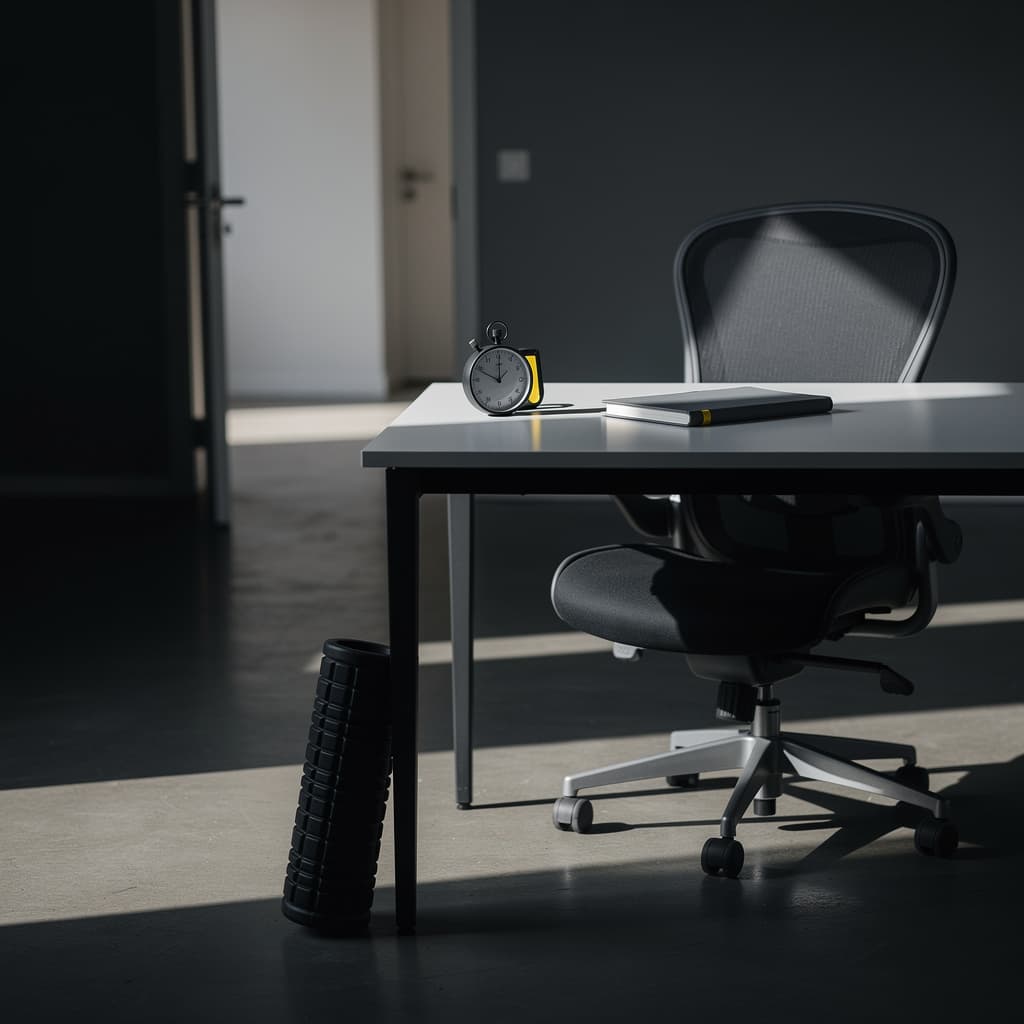



A common belief is that going to bed earlier improves recovery. The data is more specific: sleep quality depends on regularity more than timing.
The misconception
Many people think shifting bedtime earlier is the key to better recovery, especially after a tough workout or a long day. The logic seems sound—more hours in bed should equal more repair. But this overlooks a quieter variable: consistency. When someone pushes bedtime earlier without adjusting the wake side, the body's internal clock can resist, leading to fragmented sleep and less restorative deep sleep. The result is often frustration, not recovery.
What the data shows
Research on athletes and clinical populations points toward regularity as a stronger predictor of sleep quality than absolute bedtime. In a review of sleep and recovery practices, athletes consistently rated sleep as their most important recovery tool, yet many struggled with irregular schedules that undercut its benefits. Studies on sleep hygiene for athletes emphasize that a fixed wake time stabilizes circadian rhythms, which in turn supports the immune and endocrine systems involved in tissue repair. Even a short nap can help after a night of restricted sleep, but it cannot fully substitute for a stable rhythm.
In postoperative settings, subjective sleep quality measures show that patients with irregular sleep patterns report more pain and slower perceived recovery. A clinical pathway trial in rehabilitation found that education on sleep hygiene alone was not enough—patients needed consistent reminders and a focus on regularity to see meaningful change. The takeaway is not that timing is irrelevant, but that regularity amplifies its effects. If someone goes to bed at 10 p.m. one night and midnight the next, the body never settles into a predictable repair cycle.
One careful tip
Fix the wake time first. Choose a wake-up time that works for most days of the week, including weekends, and stick to it. Let bedtime drift toward a natural hour that follows from that fixed anchor. This approach uses the body's own sleep pressure to shape the schedule, rather than forcing an early bedtime that may lead to lying awake. After a few days, most people find that sleep onset becomes easier and morning alertness improves. This tip does not apply to shift workers with rotating schedules, parents of infants, or those with untreated sleep disorders. For them, a sleep specialist can help tailor a plan.
When to see a clinician
If sleep onset takes more than thirty minutes most nights for several weeks, or if daytime fatigue interferes with daily life despite a regular schedule, that is a reason to see a clinician. Signs like loud snoring, gasping for air, or morning headaches may point to sleep apnea. Persistent insomnia, where the bed itself becomes a place of worry, also warrants professional guidance. A doctor can assess whether a home sleep test or cognitive behavioral therapy for insomnia is appropriate. Do not self-manage with supplements or rigid rules without input from a healthcare professional.
FAQ
Does this mean I can go to bed late as long as I wake up at the same time?
Not exactly. A fixed wake time anchors your rhythm, but consistently short-changing sleep still builds a debt that harms recovery. Aim for a bedtime that lets you get enough total sleep, then protect the wake time to keep the pattern solid.
What if my schedule changes on weekends—can I sleep in a little?
Small deviations—say, an extra 30 minutes—are less disruptive than flipping your schedule entirely. But if you sleep in for hours, you effectively give yourself Monday-morning jet lag. Try to keep the wake time within a tight window, even on days off.
I already have a regular schedule but still wake up tired. What should I do?
Consistency is powerful, but it doesn't override underlying issues like sleep apnea, restless legs, or a noisy sleep environment. If fatigue persists, track your sleep quality and talk to a clinician—something else may be stealing your deep sleep.