


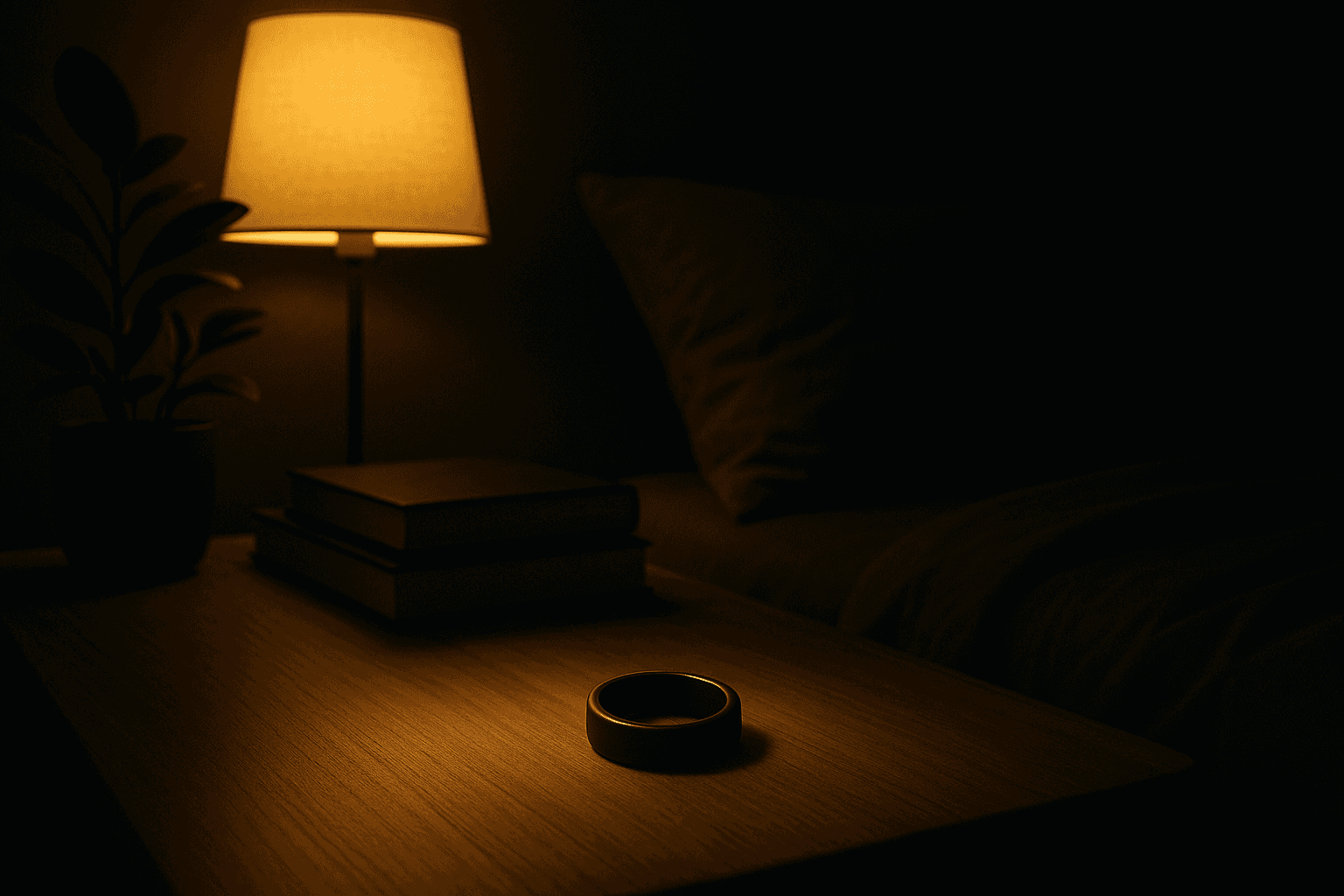
Sleep tracking devices promise a glimpse into the mysteries of our nightly rest, offering data that can make anyone feel like a sleep scientist. But the reality is often less glamorous than the marketing suggests. These gadgets, whether they’re smartwatches or dedicated sleep rings, analyze your sleep by monitoring movements, heart rates, and even breathing patterns. However, they are not medical devices, and their findings should be taken with a healthy dose of skepticism.
What it is
At their core, sleep trackers are like fitness wearables but for your nighttime routine. They record various metrics, such as time spent in different sleep stages—light, deep, and REM. For example, the Withings Sleep Analyzer provides a detailed breakdown of your sleep cycles and assigns a score based on various factors like duration and interruptions. This score can be a helpful reference point, but it’s not a definitive measure of your sleep quality.
How it works
These devices typically use a combination of sensors to gather data. Accelerometers detect movement, while heart rate monitors track your pulse. Some advanced models even measure your body temperature. The data is then processed through algorithms that estimate your sleep stages and overall quality. For instance, the Ultrahuman Ring claims to provide more accurate heart rate readings than traditional smartwatches by capturing data more frequently. However, the accuracy of these readings can vary based on how well the device fits and external conditions.
Why it matters for movement / health
Understanding your sleep patterns can be crucial for optimizing your health and performance. If you consistently wake up feeling groggy, your tracker might reveal patterns that signal poor sleep quality or insufficient deep sleep. Some users find that tracking their sleep helps them identify lifestyle factors—like late-night screen time or caffeine consumption—that negatively impact their rest. However, it’s essential to remember that these devices are primarily designed to spot trends rather than diagnose issues. They can help you make informed adjustments, but they shouldn’t replace professional medical advice.
Open caveats
Despite the allure of sleep tracking technology, its limitations are significant. Most devices rely on algorithms that can only estimate sleep stages based on the data collected. For instance, while some wearables have FDA clearance for monitoring sleep disturbances, they cannot definitively diagnose conditions like sleep apnea. Accuracy varies widely between devices, and factors such as how well a tracker fits on your wrist or finger can significantly influence results. Additionally, many users report discrepancies between their subjective sleep quality and what their devices indicate. If your tracker says you had a restful night, but you feel exhausted, trust your body over the gadget.
Moreover, privacy concerns loom large in the world of health tech. Your sleep data is sensitive, and how companies handle that information can be a black box. Always check the privacy policies of any sleep tracker you consider, as sharing your data with third parties may be a requirement for certain features.
In summary, sleep trackers can be useful tools for understanding your sleep patterns, but they come with caveats. Use them as a guide to better sleep hygiene, but don’t let them dictate your health decisions. At the end of the day, your body knows best.
References
- 8 Best Sleep Trackers (2024): Expert Tips and Research — wired.com
- Exploring user needs and preferences for mobile apps for sleep — aspirin.media.mit.edu
- The best sleep trackers and sleep tech for 2025 — theverge.com
- Taking Ultrahuman's sleep & fitness tracking Ring for a spin — techcrunch.com
- Apollo Neuro review: a case study in the wellness Wild West — theverge.com