

Time to balance the scales. Unilateral work isn’t just a fancy buzzword; it’s essential for building strength, improving stability, and correcting muscle imbalances. If you’re focusing solely on bilateral lifts, you’re missing a huge piece of the puzzle. Get ready to add some serious muscle and stability to your game.
Why it matters
Unilateral exercises target one side of the body at a time, forcing you to engage stabilizer muscles and improve coordination. This isn’t just about building muscle; it’s about fixing asymmetries and boosting performance. When one limb is stronger than the other, it can lead to injuries and hinder overall progress. A balanced approach keeps you in the game longer.
The how
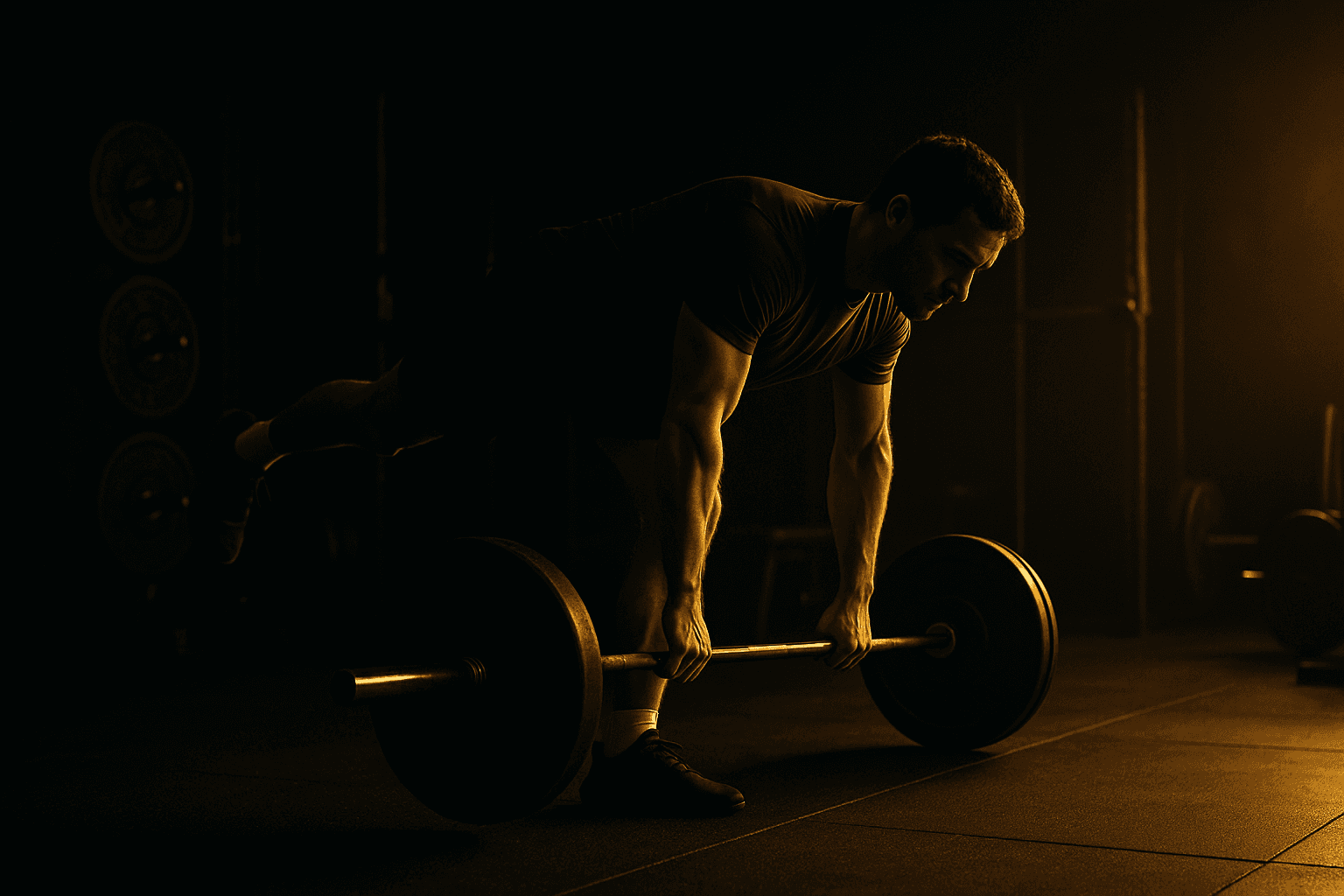
- Start with Single-Leg Deadlifts: Perform 3 sets of 8-10 reps on each leg. Focus on keeping your hips square and your core engaged. This move targets your posterior chain while improving balance.
- Incorporate Dumbbell Shoulder Press: Do 3 sets of 8-12 reps for each arm. This will not only build shoulder strength but also enhance stability in your core.
- Try Single-Arm Rows: Execute 3 sets of 8-10 reps on each side. This exercise works your back and helps correct any pulling imbalances.
- Finish with Bulgarian Split Squats: Go for 3 sets of 8-12 reps per leg. This killer move targets quads, hamstrings, and glutes while demanding a ton of stability.
Programming notes
Incorporate unilateral work into your routine 2-3 times a week. Balance it with your bilateral lifts to ensure you’re not overtraining one side. Keep your sets and reps moderate, focusing on form before adding weight. Progress gradually — remember, you’re building a foundation.
Common mistakes
- Skipping warm-ups: Always activate your muscles before going unilateral.
- Neglecting the weaker side: Give equal attention to both sides to avoid creating further imbalances.
- Pushing too hard too fast: Slow and steady wins the race; don’t jump to heavy weights before mastering the form.
- Using bad technique: Keep your form tight; don’t let your ego dictate the weight.
- Ignoring stability work: Unilateral training improves balance — don’t skip exercises that challenge your stability.
References
- The Benefits of Unilateral Training — acefitness.org
- The Evidence is Lacking for "Effective Reps" — strongerbyscience.com
- Unilateral Movements Make You Weak — T NATION
- Single-Leg and Double-Leg Training Implications for Basketball — nsca.com