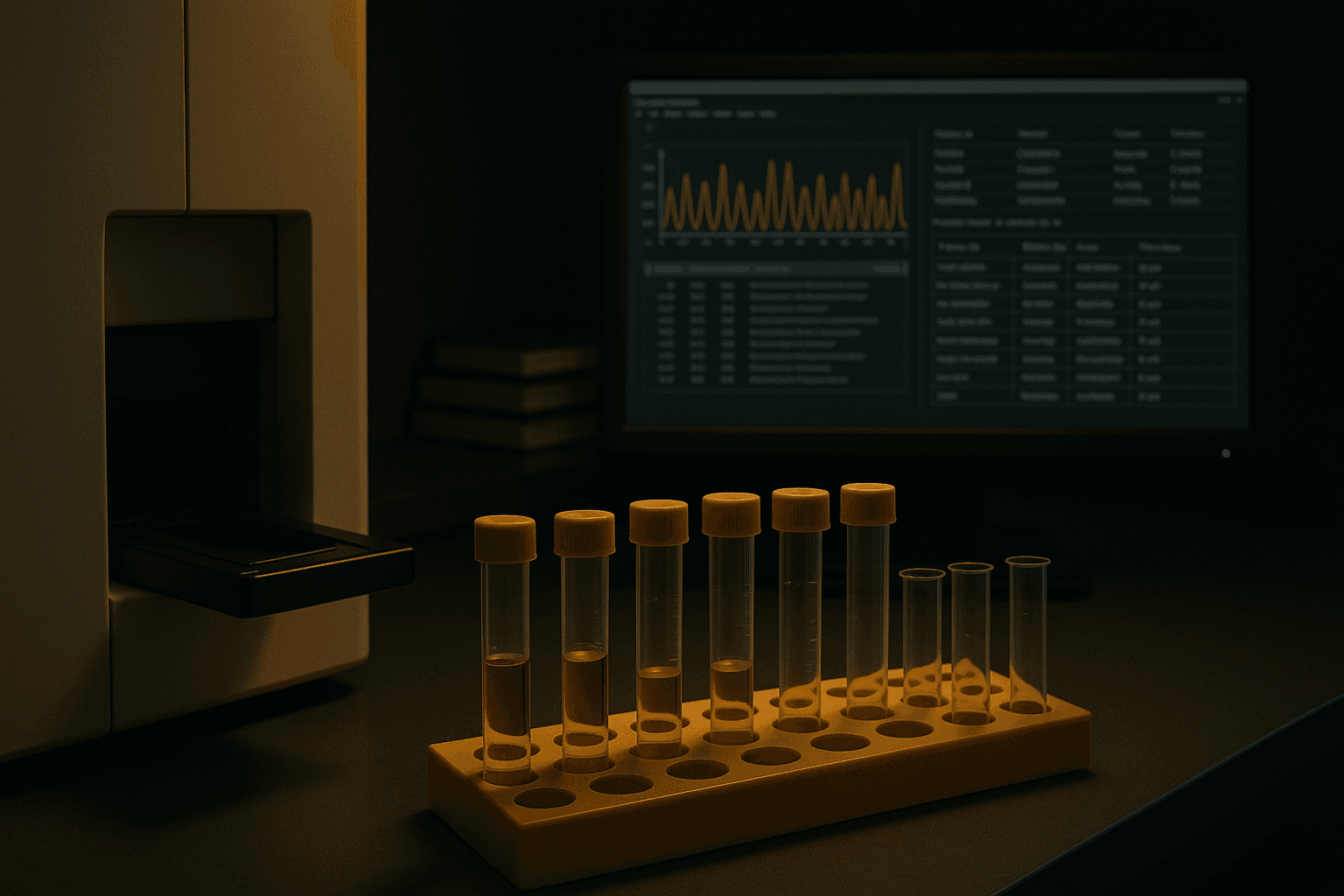



The role of recovery biomarkers in athletic performance and rehabilitation is increasingly recognized in the literature. These biomarkers, which include indicators of muscle damage, inflammation, and oxidative stress, provide a window into the physiological state of an individual post-exercise. Understanding how these markers function can inform recovery strategies and enhance athletic performance. For instance, exercise-induced muscle damage (EIMD) typically results in elevated levels of creatine kinase (CK) and other muscle damage biomarkers, which can signal the need for intervention.
Mechanism or Physiology
Muscle damage occurs during intense physical activity, particularly when eccentric contractions are involved. The subsequent inflammatory response triggers the release of various cytokines and other markers that can be measured in the bloodstream. Elevated levels of inflammatory biomarkers such as C-reactive protein (CRP) and interleukin-6 (IL-6) are often observed following strenuous exercise. Additionally, oxidative stress can complicate recovery, as it may exacerbate muscle damage through the production of reactive oxygen species (ROS). N-acetylcysteine, a known antioxidant, has garnered attention for its potential role in mitigating these oxidative effects and promoting recovery.
Evidence Summary
Recent meta-analyses have elucidated the effects of supplementation on recovery biomarkers. For example, a systematic review focusing on branched-chain amino acids (BCAAs) found significant reductions in muscle soreness and markers of muscle damage following BCAA supplementation post-exercise. Specifically, the meta-analysis indicated a moderate effect size, suggesting that BCAA intake could lead to a notable decrease in recovery time for athletes (PMID: 38625669). Likewise, research on N-acetylcysteine has indicated its efficacy in enhancing recovery by reducing oxidative stress and improving recovery markers, although findings are mixed regarding its impact on muscle damage indicators.
Furthermore, dietary patterns can also influence recovery biomarkers. A systematic review highlighted that adherence to a Mediterranean-type diet significantly reduced inflammatory biomarkers compared to other dietary patterns. This underscores the importance of nutrition in recovery strategies, as dietary choices can profoundly affect the body's inflammatory response and overall recovery.
Practical Application
The integration of recovery biomarkers into training and recovery protocols offers a pathway for more personalized athletic care. Athletes and coaches can utilize biomarkers like CK and inflammatory cytokines to gauge the effectiveness of recovery strategies. For instance, monitoring CK levels can help determine when an athlete is sufficiently recovered to resume high-intensity training. Likewise, the application of BCAA supplementation post-exercise may be beneficial for those experiencing significant muscle soreness or damage.
However, it is crucial to approach these biomarkers with caution. While they provide valuable insights, individual responses can vary considerably based on genetic predisposition, training status, and nutritional habits. Therefore, the interpretation of these markers should be contextualized within a broader framework of an athlete's training and recovery regimen.
Caveats and Limitations
Despite the promising findings surrounding recovery biomarkers, several limitations warrant consideration. Many studies rely on small sample sizes or short durations, which may hinder the generalizability of the results. Moreover, the relationship between biomarkers and actual recovery status is complex and may be influenced by various confounding factors, including hydration, sleep quality, and overall health status. As a result, while biomarkers can provide useful information, they should not be the sole determinants of recovery protocols. It is advisable for athletes to consult with healthcare professionals to interpret these markers accurately and develop tailored recovery strategies.
References
- Attenuating Muscle Damage Biomarkers and Muscle Soreness After an Exercise-Induced Muscle Damage with BCAA Supplementation — pubmed.ncbi.nlm.nih.gov
- Attenuating Muscle Damage Biomarkers and Muscle Soreness After an Exercise-Induced Muscle Damage with BCAA Supplementation — pmc.ncbi.nlm.nih.gov
- The effects of N-acetylcysteine on recovery biomarkers — pubmed.ncbi.nlm.nih.gov
- Effects of Dietary Patterns on Biomarkers of Inflammation and Immune Responses — pmc.ncbi.nlm.nih.gov
- Biomarkers in Sports and Exercise: Tracking Health, Performance, and Recovery in Athletes — pmc.ncbi.nlm.nih.gov