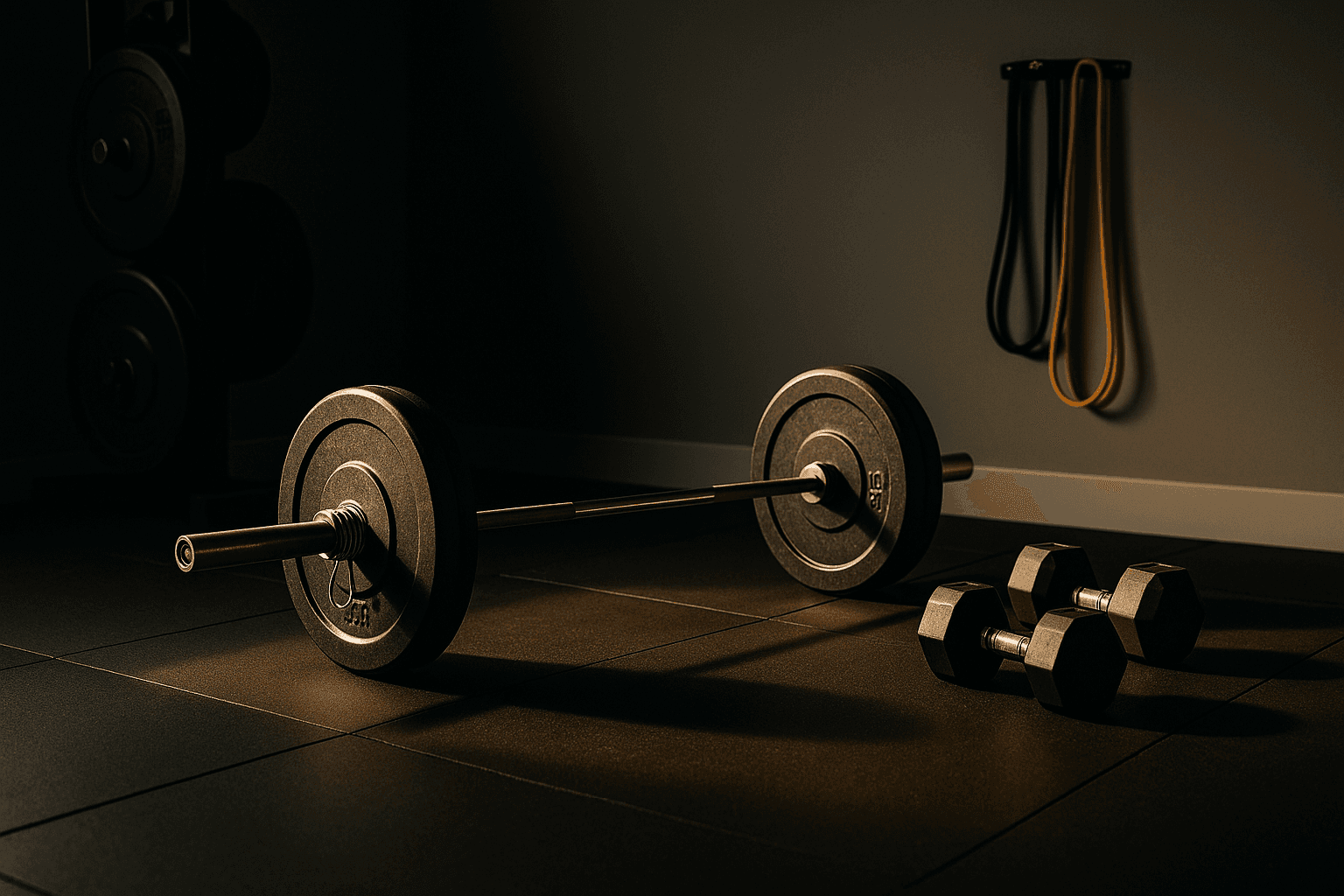



Autoregulation isn’t just a buzzword—it's a game plan. Forget rigid percentages that don’t account for how you feel each day. Autoregulation allows you to adjust your training based on real-time performance. This isn’t about guessing; it’s about feeling the bar and knowing when to push harder or hold back. Get your head in the game and let your body guide you.
Why It Matters
Sticking to a strict percentage of your one-rep max can leave you overtrained or underwhelmed. Autoregulation adapts to your daily readiness, incorporating factors like fatigue and stress. Studies have shown that velocity-based training can lead to better strength gains than traditional methods. So, by tuning into your performance, you can maximize your results and avoid burnout.
The How
- Assess Your Performance: Start by tracking your velocity on key lifts. Use a device that measures bar speed. If your speed drops, it’s a sign to adjust your load.
- Implement Reps in Reserve (RIR): Before your working sets, decide how many reps you want to leave in the tank. If you aim for two RIR, choose a weight you can lift for two more reps beyond your target.
- Adjust Weekly: At the beginning of each week, evaluate how your previous week felt. If you crushed it, add weight. If you struggled, either keep it the same or lower it.
- Use Velocity-Based Training: Assign a velocity target for your lifts. For example, if your goal is to hit 0.6 meters per second, adjust the weight until you reach that speed.
Programming Notes
Integrate autoregulation into your existing program by focusing on three key lifts per week. For each lift:
- Start with 3-4 sets of 5-8 reps.
- Monitor velocity and adjust weights accordingly.
- Incorporate RIR to determine your load. Aim for 1-3 RIR based on how you feel.
For best results, include autoregulation every 4-6 weeks to refresh your training stimulus.
Common Mistakes
- Ignoring daily readiness: Always listen to your body. If you feel off, reduce the load.
- Not tracking performance: Use a journal or app to keep tabs on your lifts and their velocities.
- Over-relying on RIR: While it's effective, ensure you’re not guessing how many reps you can still complete. Trust your instincts.
- Inconsistent application: Be disciplined in applying autoregulation principles each session.
References
- Using Velocity to Autoregulate May Increase Strength Gains — strongerbyscience.com
- Using Intensity Based on Sets and Repetitions — nsca.com
- The Science of Autoregulation — strongerbyscience.com