


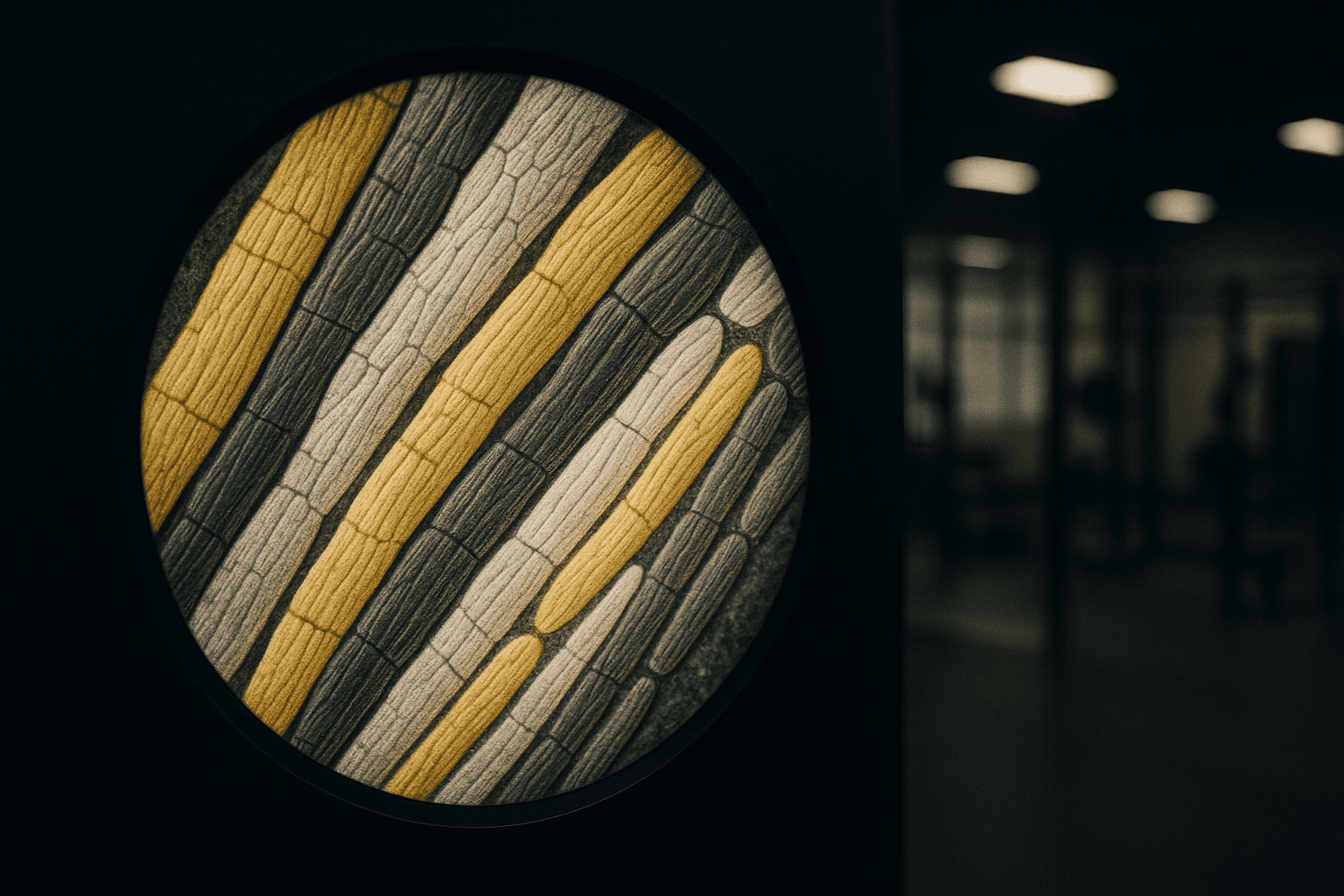
The phenomenon of fiber type adaptation is a pivotal aspect of skeletal muscle physiology, reflecting the muscle's ability to modify its composition in response to different training stimuli. Research indicates that this adaptability plays a significant role in determining functional outcomes across athletic and clinical populations. Specifically, the transition between Type I (slow-twitch) and Type II (fast-twitch) muscle fibers can influence endurance and strength capabilities, thereby impacting overall athletic performance and rehabilitation strategies.
Background and context
Muscle fibers can be broadly categorized into two main types: Type I fibers, which are characterized by their endurance capacity and reliance on aerobic metabolism, and Type II fibers, known for their power and anaerobic energy production. The distribution of these fiber types within skeletal muscles can vary significantly depending on genetic predisposition, training history, and age. Such variability has substantial implications for both performance enhancement and injury prevention. Adaptations occur in response to both acute and chronic exercise stimuli, highlighting the plasticity of muscle tissue.
Mechanism or physiology
At the molecular level, fiber type adaptation is facilitated by changes in gene expression, muscle protein composition, and metabolic enzyme activity. For instance, endurance training is associated with an upregulation of genes related to oxidative metabolism and mitochondrial biogenesis, which enhances the oxidative capacity of Type I fibers. Conversely, resistance training can promote hypertrophy of Type II fibers, enhancing their capacity for short bursts of high-intensity activity. The interplay between these adaptations is complex and influenced by factors such as training load, frequency, and duration.
Evidence summary
A variety of studies have examined the specific adaptations of muscle fibers in response to different training modalities. One meta-analysis demonstrated that low-load resistance training could stimulate Type I fiber hypertrophy, albeit to a lesser extent than high-load protocols, which more effectively promote Type II fiber adaptations (effect size approximately 0.5). Additionally, research on aged populations indicates that fiber type composition may shift toward a greater proportion of Type I fibers, a change that correlates with reduced strength and functional capacity. These adaptations underscore the necessity for exercise regimens tailored to individual needs, particularly in aging populations or those recovering from injury.
Practical application
Understanding fiber type adaptation has practical implications for athletes and trainers alike. For instance, endurance athletes may benefit from programs emphasizing aerobic conditioning to promote Type I fiber development, while power athletes may focus on high-intensity resistance training to maximize Type II fiber hypertrophy. Furthermore, rehabilitation protocols can be designed to enhance muscle fiber resilience and functionality, particularly in older adults, by strategically incorporating both endurance and strength components.
Caveats and limitations
While fiber type adaptation is a well-documented phenomenon, individual responses can vary widely based on genetic factors, training history, and other physiological determinants. Furthermore, the research predominantly focuses on animal models or specific populations, which may limit the generalizability of findings. Thus, caution should be exercised when applying these insights to broader populations. Future research should aim to explore the long-term effects of various training modalities on muscle fiber composition across diverse demographics.
References
- Respiratory muscle fibres: specialisation and plasticity — pmc.ncbi.nlm.nih.gov
- Distinct patterns of fiber type adaptation in rat hindlimb muscles — pmc.ncbi.nlm.nih.gov
- The Effects of Low-Load Vs. High-Load Resistance Training on Muscle Fiber Adaptation — pmc.ncbi.nlm.nih.gov
- Muscle fiber type-dependence effect of exercise on genomic networks in aged mice models — pmc.ncbi.nlm.nih.gov
- Fiber Type–Specific Adaptations to Exercise Training in Human — pmc.ncbi.nlm.nih.gov
For personal medical concerns, please consult a qualified physician.