


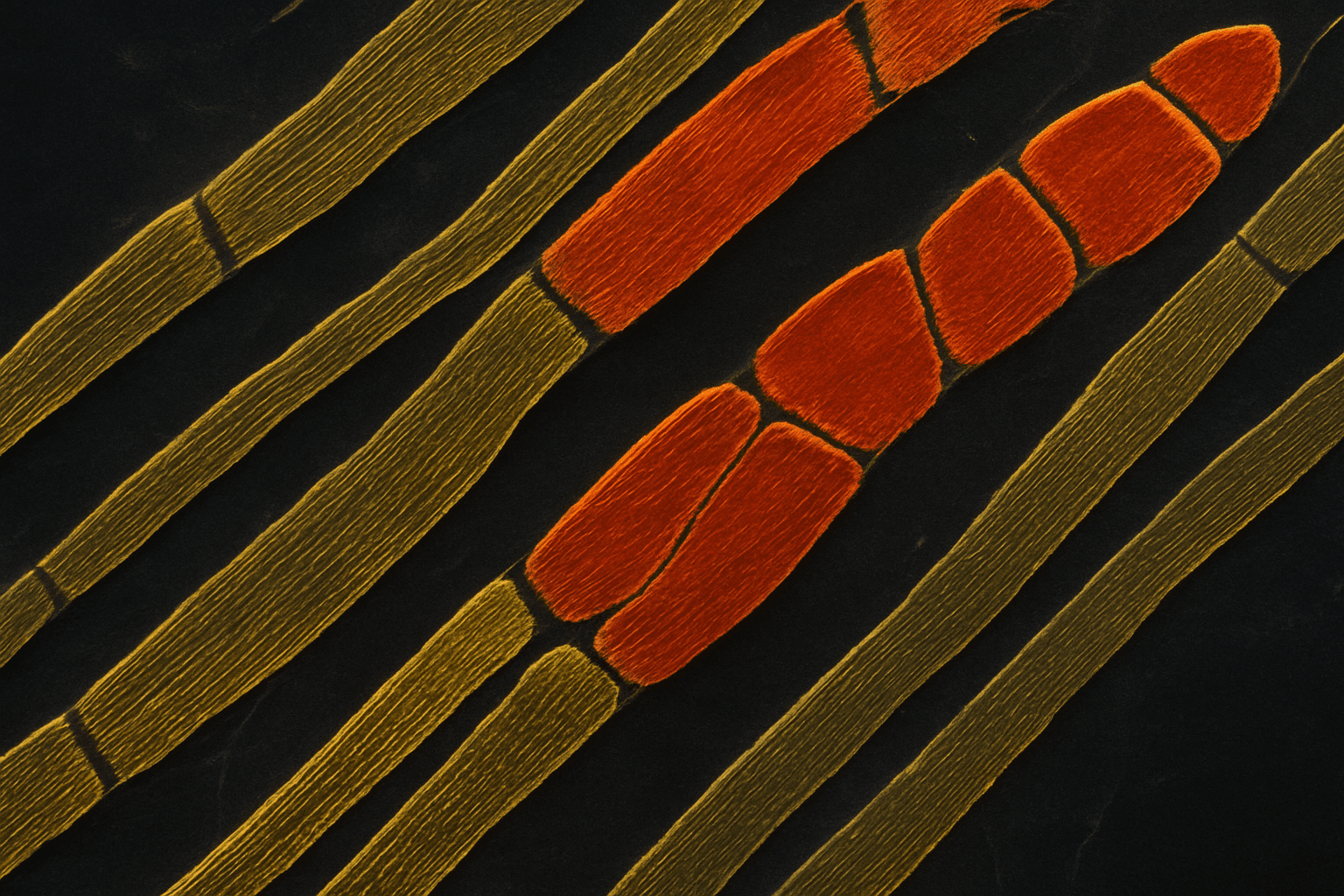
Adaptations of skeletal muscle fiber types are a multifaceted phenomenon that reflects the interplay of genetics, training modalities, and the physiological demands placed upon the muscle. The foundational classification of muscle fibers into Type I (slow-twitch) and Type II (fast-twitch) serves as a starting point for understanding how these fibers respond differently to various training stimuli. Type I fibers are characterized by endurance capacity, while Type II fibers are geared towards explosive strength and power. However, the notion of rigid fiber type classifications has evolved, leading to a deeper exploration of the plasticity inherent in muscle fiber types.
Background and context
Historically, muscle fiber type distribution has been linked to athletic performance, with a higher proportion of Type II fibers commonly observed in power athletes and Type I fibers in endurance athletes. This genetic predisposition suggests a baseline from which adaptations can occur. However, external factors, particularly training, play a critical role in shaping fiber characteristics. Studies indicate that adaptations are not merely about fiber type but also involve changes in fiber size, metabolic pathways, and the ability to generate force.
Mechanism or physiology
The mechanisms underlying fiber type adaptation primarily involve alterations in gene expression and protein synthesis in response to various forms of training. For instance, endurance training stimulates mitochondrial biogenesis and enhances oxidative capacity in Type I fibers, leading to an increase in their cross-sectional area. Conversely, resistance training typically promotes hypertrophy of Type II fibers, enhancing their contractile properties. Evidence suggests that the shift in fiber type characteristics can be influenced by the duration and intensity of training, as well as the specific demands placed on the muscle during exercise.
Evidence summary
A review of recent literature highlights the nuanced response of muscle fibers to different training modalities. For example, a systematic review indicated that previously sedentary individuals undergoing a 12-week cycling program exhibited significant increases in muscle mass, with Type I fibers experiencing an increase in cross-sectional area by approximately 11% (Coggan et al.). Notably, Type IIa fibers also showed gains, albeit more variable across studies, underscoring the complexity of adaptations across different populations and training contexts. Furthermore, the notion of fiber type shifting—where Type II fibers may convert towards a more oxidative phenotype under certain training regimens—has garnered attention but remains contentious. Some research suggests that the extent of this shifting may be limited, primarily influenced by genetic factors that dictate baseline fiber type distribution.
Practical application
Understanding fiber type adaptation has significant implications for training methodologies. Athletes and fitness enthusiasts can tailor their training programs to optimize the development of specific fiber types. For example, endurance athletes may benefit from longer-duration, lower-intensity training to maximize Type I fiber adaptations, while power athletes might focus on high-intensity, short-duration training to enhance Type II fiber performance. Additionally, incorporating a variety of training modalities can promote overall muscular health and performance, leveraging the inherent plasticity of muscle fibers to achieve diverse athletic goals.
Caveats and limitations
Despite the potential for fiber type adaptation, several caveats must be acknowledged. Genetic predispositions can limit the degree of adaptation, and individual responses to training can vary widely. Moreover, much of the existing research is conducted on specific populations, making it challenging to generalize findings across different age groups or fitness levels. Therefore, while the principles of fiber type adaptation provide a useful framework for training design, individual assessments are crucial for optimizing performance outcomes.
References
- Skeletal muscle fiber type: using insights from muscle developmental biology to dissect targets for susceptibility and resistance to muscle disease — pmc.ncbi.nlm.nih.gov
- Muscle fiber type-dependence effect of exercise on genomic networks in aged mice models — pmc.ncbi.nlm.nih.gov
- Normal Versus Chronic Adaptations to Aerobic Exercise — ncbi.nlm.nih.gov
- Neuromuscular adaptations to resistance training in elite versus recreational athletes — pmc.ncbi.nlm.nih.gov
- Muscle Fiber Type Shifting—Myth or Misinterpretation? — mtntactical.com
For personal medical concerns, please consult a qualified physician.