


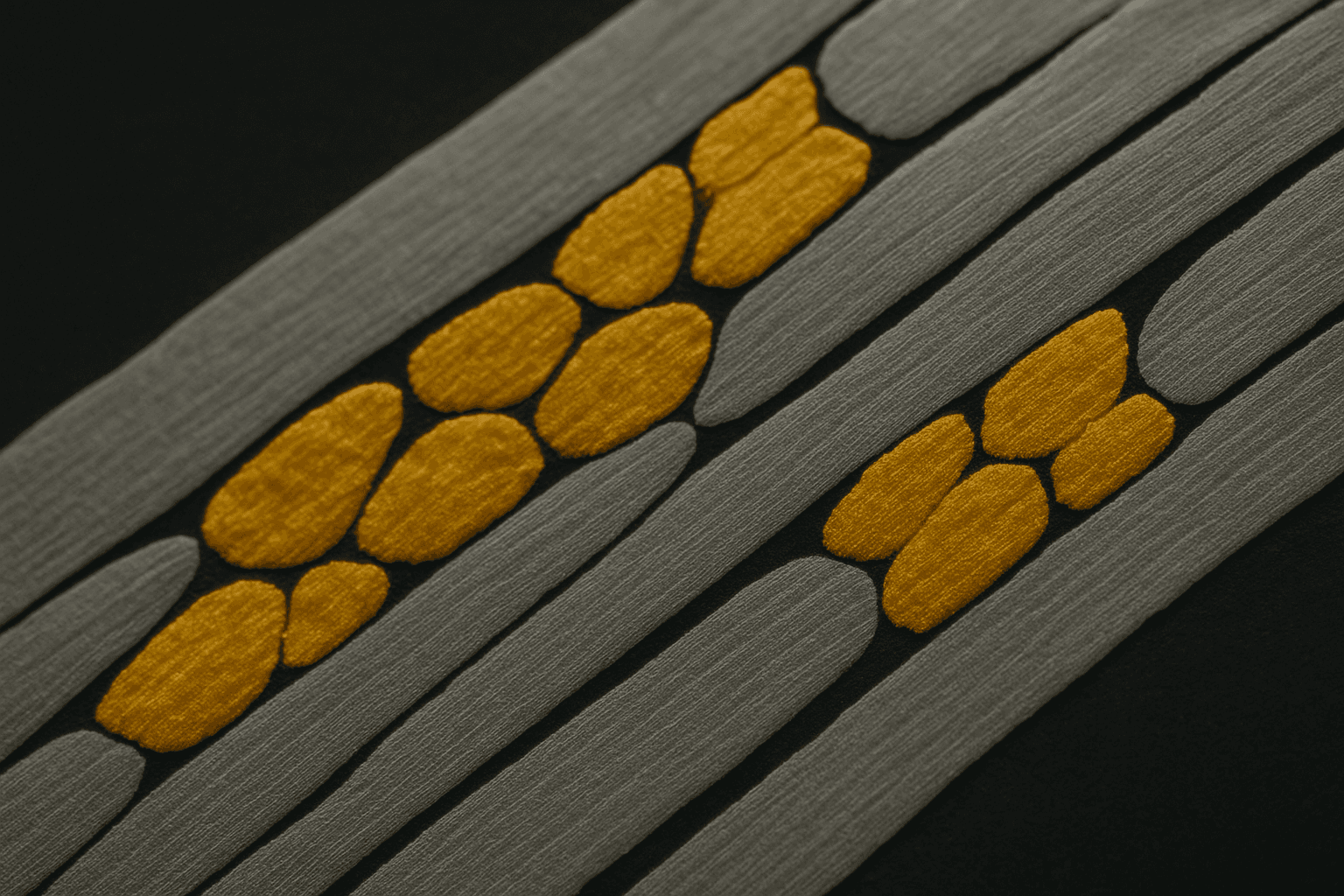
Muscle fiber type adaptation is a complex interplay of physiological changes that respond to various training stimuli, notably in the domains of resistance and endurance training. Research indicates that skeletal muscle fibers can be broadly categorized into two types: slow-twitch (Type I) and fast-twitch (Type II). The former is predominantly engaged during low-intensity, endurance activities, whereas the latter is activated during high-intensity, power-based efforts. Understanding the mechanisms behind these adaptations, particularly how training influences fiber composition, is crucial for optimizing athletic performance.
Background and Context
Muscle plasticity is a fundamental characteristic of the skeletal muscle system, allowing it to adapt to varying demands placed upon it. This plasticity is particularly evident in the context of training-induced adaptations, where muscle fibers undergo morphological and functional changes. Evidence suggests that both endurance and resistance training can trigger shifts in muscle fiber type composition; however, the extent and nature of these adaptations can differ significantly between trained and untrained populations.
Mechanism or Physiology
At the molecular level, adaptations in muscle fiber type are mediated by various signaling pathways, including those involving myogenic regulatory factors and peroxisome proliferator-activated receptors (PPARs). These pathways govern the expression of genes responsible for muscle fiber characteristics. For instance, Type I fibers, which are more oxidative and fatigue-resistant, exhibit increased mitochondrial density and enhanced oxidative enzyme activity in response to endurance training, as shown in a systematic review that highlighted specific adaptations in previously sedentary individuals after aerobic training (Normal Versus Chronic Adaptations to Aerobic Exercise). Conversely, fast-twitch fibers (Type II) typically respond to resistance training with hypertrophy and an increase in contractile protein synthesis, although the effects on fiber type distribution can be less consistent.
Evidence Summary
Recent studies have illustrated the nuanced nature of fiber type adaptation. For instance, a systematic review and meta-analysis examined the effects of reduced muscle use on fiber type composition, revealing that disuse can lead to a decrease in Type I fiber area while sparing Type II fibers (Human skeletal muscle fiber type percentage and area after reduced muscle use). Furthermore, research indicates that while endurance training generally promotes an increase in Type I fibers, the adaptations of Type IIa fibers may vary depending on the training protocol and individual genetic predispositions. Specifically, older adults undergoing extensive endurance training exhibited notable increases in Type I and Type IIa fibers, suggesting that age-related considerations must be factored into training regimens (Normal Versus Chronic Adaptations to Aerobic Exercise).
Practical Application
For athletes and trainers, understanding fiber type adaptation can inform tailored training programs that optimize performance outcomes. For endurance athletes, prioritizing aerobic training may enhance Type I fiber development, thus improving endurance capabilities. Conversely, sprinters and power athletes may benefit from resistance training that emphasizes explosive movements, potentially shifting the balance towards a greater proportion of Type II fibers. It is essential to recognize individual variability; genetic factors significantly influence fiber type distribution and may set limits on the extent of adaptation achievable through training (Neuromuscular adaptations to resistance training in elite versus recreational athletes). Consequently, athletes should consider these factors when designing their training regimens to maximize their potential.
Caveats and Limitations
While the evidence supports the notion of muscle fiber type adaptation through targeted training, several caveats warrant attention. First, the degree of adaptation is influenced by pre-existing muscle fiber composition and individual genetic predispositions. For example, individuals with a genetic predisposition toward a higher percentage of Type II fibers may experience different adaptation outcomes compared to those with a predominance of Type I fibers. Additionally, the measurement of fiber type changes often relies on invasive biopsy techniques, which can limit the scope of longitudinal studies on this topic. Furthermore, the interaction between various training modalities, such as concurrent training (combining endurance and resistance training), remains an area of active investigation, with evidence indicating that these interventions may produce conflicting adaptations.
References
- Human skeletal muscle fiber type percentage and area after reduced muscle use: A systematic review and meta-analysis — pubmed.ncbi.nlm.nih.gov
- Skeletal muscle fiber type: using insights from muscle developmental biology to dissect targets for susceptibility and resistance to muscle disease — pmc.ncbi.nlm.nih.gov
- Distinct patterns of fiber type adaptation in rat hindlimb muscles — pmc.ncbi.nlm.nih.gov
- Normal Versus Chronic Adaptations to Aerobic Exercise — ncbi.nlm.nih.gov
- Neuromuscular adaptations to resistance training in elite versus recreational athletes — pmc.ncbi.nlm.nih.gov
For personal medical concerns, please consult a qualified physician.