


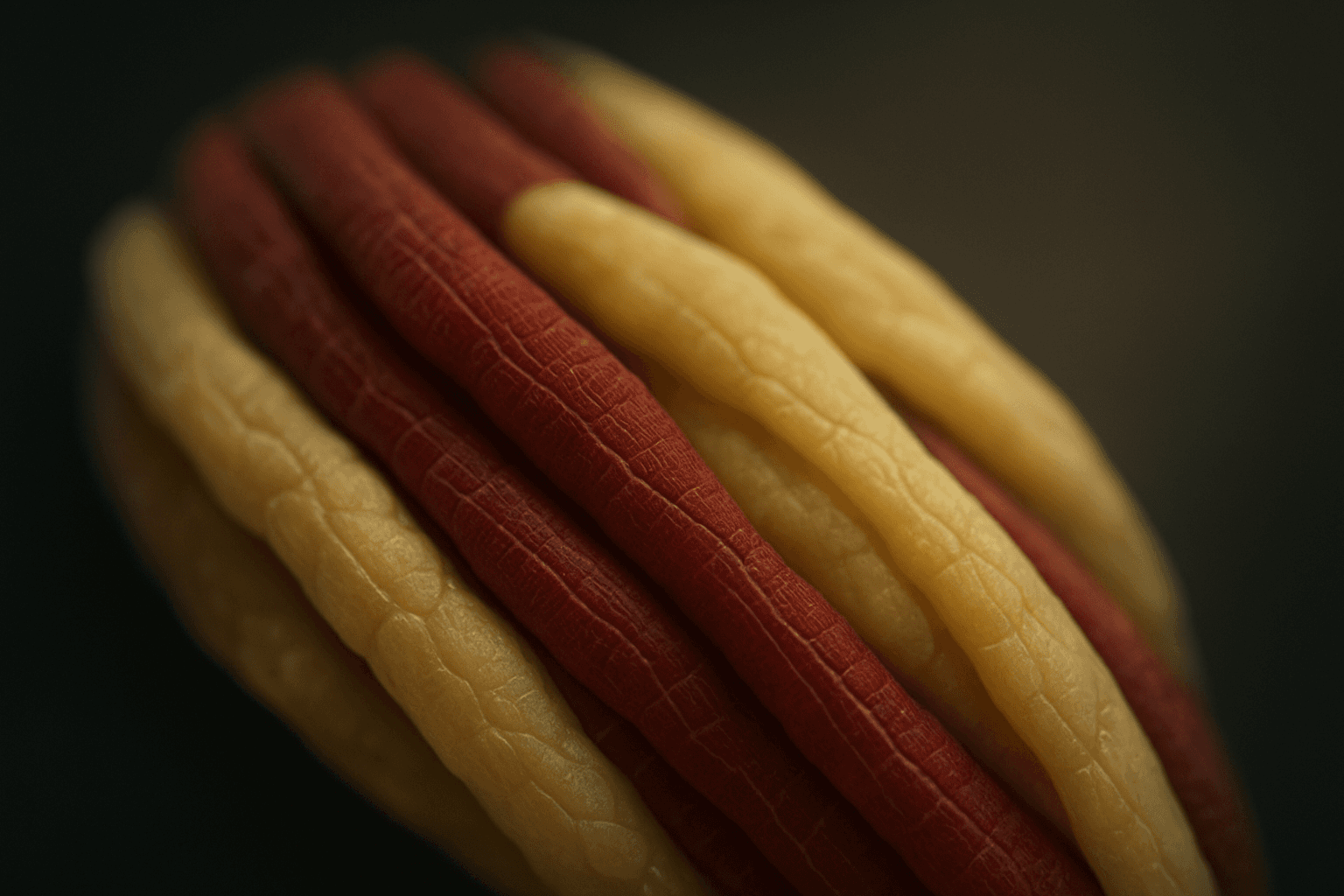
The adaptability of skeletal muscle fibers is fundamentally linked to the physiological demands placed upon them. Distinct fiber types, categorized as slow-twitch (type I) and fast-twitch (type II), exhibit varying responses to different training regimens. Recent findings indicate that resistance and aerobic training can provoke significant shifts in fiber composition, influencing performance outcomes. For instance, studies show that endurance training increases the cross-sectional area of type I fibers, while adaptations of type II fibers can be less predictable, particularly in the context of older populations.
Background and Context
Muscle fiber type adaptation is a dynamic process governed by several factors, including the nature of the training stimulus, genetic predisposition, and even pathological conditions. Interventions such as aerobic exercise have demonstrated a clear capacity to enhance the oxidative capacity of type I fibers, which are crucial for endurance activities. Conversely, resistance training typically promotes hypertrophy in both type I and type II fibers, albeit with a more pronounced effect on the latter. These adaptations are not merely academic; they bear significant implications for athletic performance, rehabilitation strategies, and overall muscle health.
Mechanism or Physiology
The underlying mechanisms of fiber type adaptation are multifaceted. Type I fibers, known for their endurance capabilities, rely heavily on aerobic metabolism, while type II fibers are better suited for short bursts of high-intensity activity, utilizing anaerobic pathways. Evidence suggests that mechanical stimuli, such as tension generated during resistance training, can signal pathways leading to hypertrophic responses in muscle fibers. Furthermore, the expression of myogenic regulatory factors, which play a role in muscle fiber type determination, can be influenced by the type and intensity of training undertaken.
Evidence Summary
Meta-analyses and systematic reviews indicate that fiber type adaptations can occur within relatively short training periods. For example, a recent systematic review highlighted a consistent increase in type I fiber cross-sectional area among previously sedentary individuals following 12 weeks of structured aerobic training, with increases of up to 11% reported. In contrast, adaptations in fast-twitch fibers appear to vary significantly across studies. In older adults, one investigation documented a 12% increase in type I fibers and a 10% increase in type IIa fibers after extensive endurance training, underscoring the variability in response based on age and baseline fitness levels.
Practical Application
For practitioners, recognizing the potential for fiber type adaptation is crucial when designing training programs. Athletes aiming to enhance endurance may benefit from incorporating high volumes of aerobic training, thereby facilitating type I fiber growth. Conversely, those focused on strength and power should prioritize resistance training to stimulate hypertrophic adaptations in type II fibers. Understanding individual responses to training can also inform personalized approaches, especially in populations with unique challenges, such as older adults or those recovering from injury.
Caveats and Limitations
While the evidence supporting fiber type adaptation is compelling, several caveats warrant consideration. Notably, individual variability in response to training can complicate generalizations. Factors such as genetic predisposition, training history, and even nutritional status can influence outcomes. Additionally, the extent of adaptation may plateau after certain training thresholds, suggesting that continuous variation in stimulus is necessary to elicit ongoing changes. It is essential for practitioners to remain attuned to these nuances to optimize training effectiveness.
References
- Skeletal muscle fiber type: using insights from muscle developmental biology to dissect targets for susceptibility and resistance to muscle disease — pmc.ncbi.nlm.nih.gov
- Distinct patterns of fiber type adaptation in rat hindlimb muscles 4 weeks after hemorrhagic stroke — pmc.ncbi.nlm.nih.gov
- Use it or lose it: Multiscale skeletal muscle adaptation to mechanical stimuli — pmc.ncbi.nlm.nih.gov
- Respiratory muscle fibres: specialisation and plasticity — pmc.ncbi.nlm.nih.gov
- Normal Versus Chronic Adaptations to Aerobic Exercise — ncbi.nlm.nih.gov
For personal medical concerns, please consult a qualified physician.