


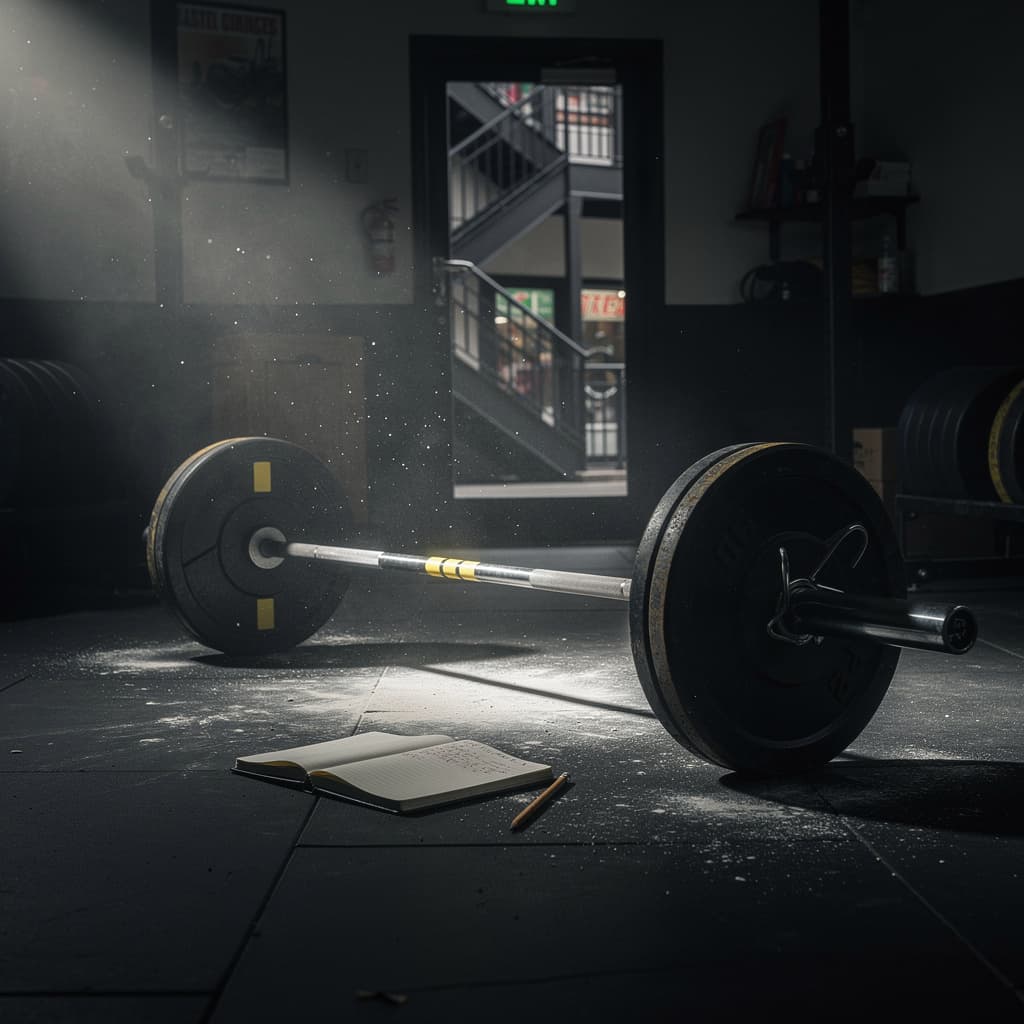
Most lifters treat training frequency like a religion. Once-a-week bros swear their arms are still growing from last Tuesday. Daily squatters preach that anything less is laziness. Both camps are missing the bar on the floor. Frequency is not a magic switch. It is a dial you turn to spread your hard work across the week so every session is sharp, not sloppy.
Why It Matters
If you show up tired and grind out reps with a rounded back and wobbly knees, you are not training. You are practicing failure. I learned that the hard way chasing a squat PR with garbage form. Two years of rehab taught me: the session you can recover from is the session that builds you. Frequency lets you take the same total work and split it into fresh, quality sets. Research backs this up—when total volume is matched, spreading it over two or three days tends to give a small edge for strength, especially in trained lifters. For muscle growth, the advantage shrinks, but the practical win is real: shorter sessions, better focus, less joint ache.
The How
Pick a lift. Count your weekly working sets—the ones where you actually strain, not warm-ups or pump work. Now pick a frequency that lets you hit those sets without turning into a zombie. Here is the simple math:
- Two days per week. Do half your sets on day one, half on day two. Example: 10 sets of bench press. Monday do 5 sets, Thursday do 5 sets. Each rep clean, each set with intent.
- Three days per week. Split into roughly thirds. If you have 12 squat sets, do 4 on Monday, 4 on Wednesday, 4 on Friday. This is the sweet spot for many intermediate lifters because it keeps the movement pattern fresh without burying you.
- Four or more days. Only if your total volume is high—think 20+ sets per lift—and you have the schedule and recovery dialed. Advanced athletes sometimes use double splits, but that is a different animal. For most of you, four days is the ceiling, not the floor.
Run your split for twelve weeks. Track every top set. If the bar goes up, your frequency is working. If it stalls, adjust the dial—not the whole program.
Programming Notes
For strength, two to three sessions per lift per week is the evidence-backed range. The NSCA pegs advanced lifters at four to six total training days, but that is across all lifts, not per muscle. For hypertrophy, frequency matters less than total hard sets, but spreading them out helps you avoid junk volume at the end of a marathon session. Here is a bare-bones template:
- Beginner (first 6–12 months). Full-body, three days per week. One main squat, push, pull, and hinge each day. 3–5 sets per lift, 5–8 reps. Add 2.5–5 pounds weekly.
- Intermediate. Upper/lower split, four days per week. Two upper, two lower. 8–12 sets per main lift weekly, split across the two days. Progress every two to three weeks.
- Advanced. Push/pull/legs or a custom split, five to six days. Volume is high, so double sessions might appear. But only if you are already pulling 500+ and still climbing.
Rest at least 48 hours before hitting the same movement pattern again. If you squat heavy Monday, the next heavy squat is Wednesday at the earliest. Light technique days can fill gaps, but they are not working sets.
Common Mistakes
- Equating soreness with a good session. Soreness is inflammation, not progress. If you are too wrecked to train again in two days, your frequency is too high for your recovery.
- Program-hopping. You try high-frequency for three weeks, then switch to a bro split because your buddy got big arms. Run one frequency for twelve weeks. The bar does not lie; your logbook will tell you if it works.
- Adding frequency without cutting volume. If you go from one squat day to three but keep 15 sets per day, you will break. Total weekly sets stay the same; you just slice the pie thinner.
- Ignoring load management. More frequent sessions mean you must manage fatigue wave-to-wave. If you go heavy every session, you will stall. Alternate heavy, light, and medium days within the week.
- Copying elite programs. That six-day Bulgarian split you saw online was built for a 20-year-old on a caloric surplus with no job. You have a mortgage and a creaky knee. Dial your own frequency.
Boring is what works. Find the frequency that lets you add five pounds or one clean rep every week. Then stick to it until the bar stops moving. No medal for ugly reps, no prize for program-hopping. Just the slow, honest climb.
FAQ
How do I know if my frequency is too high?
If you are chronically sore, your top sets are stalling or regressing, and you dread the gym, your frequency is outpacing your recovery. Back off one day per week and see if the bar starts moving again. Your logbook will tell you within two weeks.
Can I train the same muscle two days in a row?
Not with heavy working sets. The research and real-world experience both say 48 hours is the minimum for the same movement pattern to recover. You can do light technique work or active recovery, but if you are straining, you need that gap.
Is full-body training better than a split for frequency?
It depends on your level. Beginners thrive on full-body three days a week because they can practice the lifts often and recover fast. Intermediates usually need an upper/lower split to handle more volume without marathon sessions. The best split is the one you can stick to and progress on.