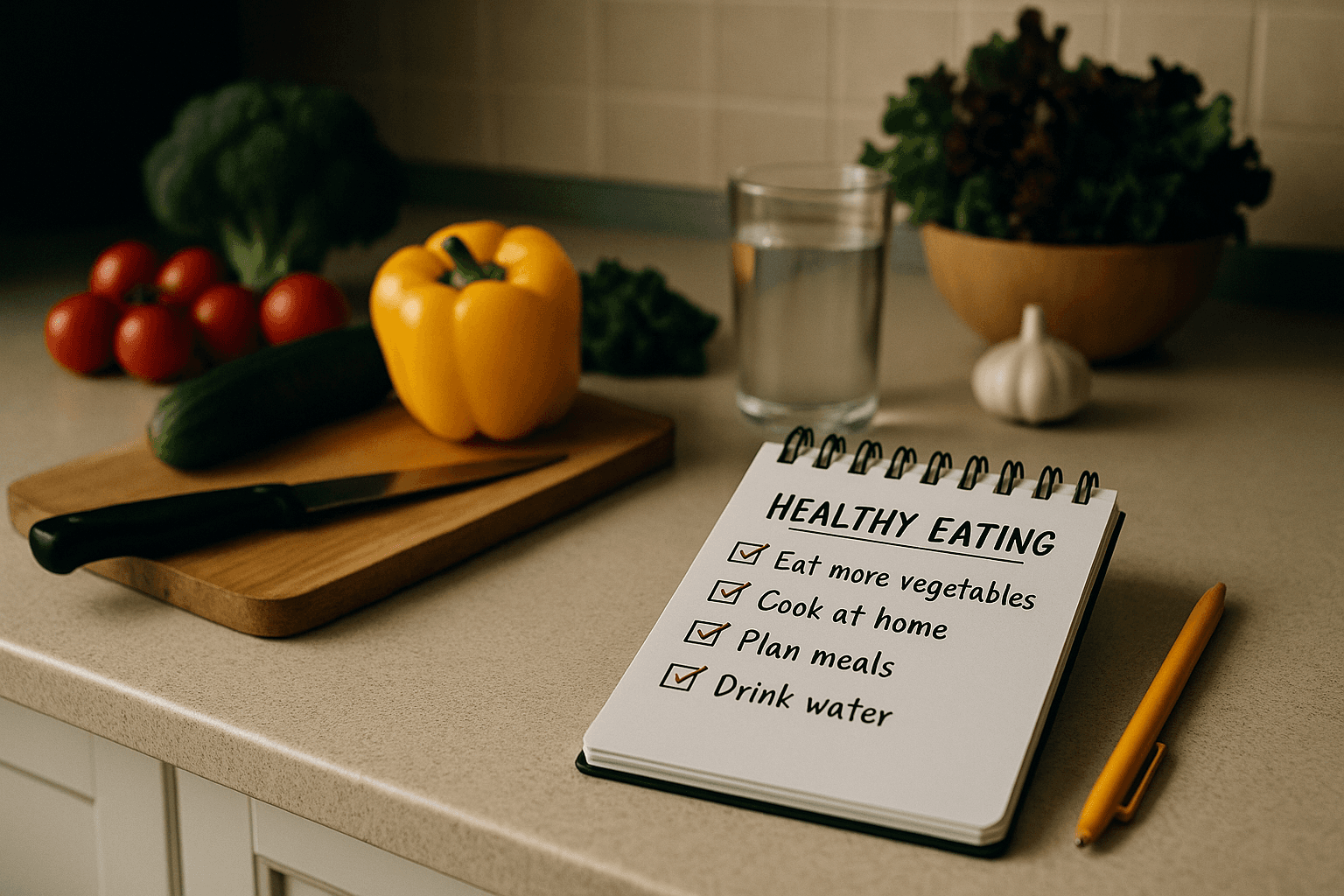



Habits are the embodiment of your identity. When you shift how you perceive yourself, your behaviors will follow suit. This is the crux of identity-based habits: they are not merely actions; they are reflections of who you are. If you want to become a healthier person, start by thinking like one. This article will guide you through the process of establishing identity-based habits that stick.
Friction Audit
Before you can build identity-based habits, identify the friction points that hinder your progress. What stops you from exercising, eating well, or engaging in self-care? Common barriers include:
- Lack of time
- Insufficient motivation
- Negative self-talk
- Environmental distractions
To conduct a friction audit, list your current habits and pinpoint where you struggle. If you find it hard to exercise because of time constraints, consider shorter workouts. If negative self-talk is a barrier, challenge those thoughts with affirmations. The goal is to minimize friction, making it easier to adopt new habits.
Habit-Stack Design
Next, design your habit stack. This involves anchoring new habits to existing routines. For example, if you want to start a daily stretching routine, attach it to a habit you already do, like brushing your teeth. The cue becomes your toothbrush—after you brush, you stretch. This method leverages existing behaviors to create new ones, reducing the cognitive load of remembering to act.
Start small. Instead of committing to a full yoga session, begin with just five minutes of stretching. As the behavior becomes automatic, gradually increase the duration. This incremental approach ensures success, as small wins build confidence and reinforce your identity as someone who prioritizes physical health.
Anchor Cue
Choosing the right anchor cue is critical. A cue should be specific and consistent. For example, if your goal is to drink more water, tie it to a specific event, like finishing a meal. Every time you finish eating, you drink a glass of water. This creates a clear trigger that prompts the desired behavior, making it easier to adopt.
Consider using visual cues as well. Place a water bottle on your desk or set reminders on your phone. The key is to make the cue obvious and unavoidable. The more you see it, the more likely you are to act on it.
Measurement
Measurement is essential for tracking progress and maintaining motivation. Instead of vague goals like “I want to exercise more,” set specific, measurable targets. For instance, aim for three 20-minute workouts each week. Track your workouts in a journal or use an app. The act of recording your progress reinforces your identity as an active person.
Additionally, celebrate your successes, no matter how small. If you complete a workout, acknowledge it. This positive reinforcement strengthens the connection between your actions and your identity. Over time, these small victories accumulate, solidifying your new self-image.
Identity Affirmation
To further embed these habits into your identity, use positive self-talk. Instead of saying, “I want to be healthy,” declare, “I am a healthy person.” This shift in language reinforces your new identity and aligns your actions with it. When you think of yourself as an exerciser or a healthy eater, your behavior will naturally follow.
Incorporate these affirmations into your daily routine. Write them down, say them aloud, or visualize them. The more you affirm your identity, the more likely you are to act in accordance with it.
Anticipate Lapses
Change is not linear. Anticipate lapses and prepare for them. If you miss a workout or indulge in unhealthy food, don’t dwell on it. Instead, focus on recovery. Acknowledge the setback, but remind yourself of your identity. “I am a healthy person, and I will get back on track.” This mindset minimizes the impact of lapses and keeps you moving forward.
Building identity-based habits is a process. It requires patience and persistence. By systematically addressing friction, anchoring new behaviors, measuring progress, and reinforcing your identity, you can create lasting change.
For personal medical concerns, consult a healthcare professional.
References
- Embracing a lifestyle change (in a different way) — source_site
- Establishing healthy behaviors that stick — source_site
- Gender fluidity: What it means and why support matters — source_site
- Mental health of adolescents — source_site