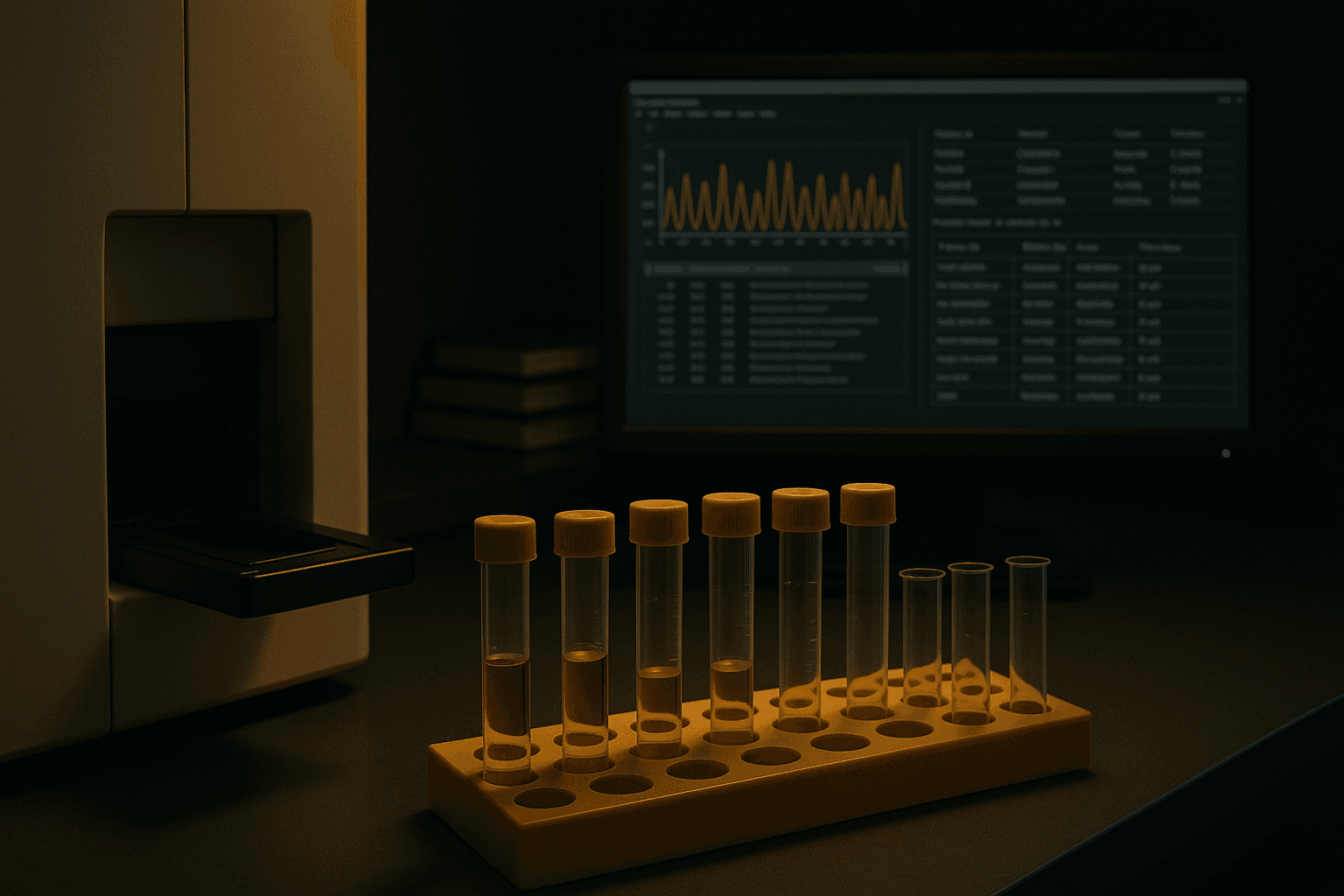


The regulation of muscle protein turnover encompasses both synthesis and degradation pathways, critical for maintaining muscle mass and function. Muscle protein synthesis (MPS) and muscle protein breakdown (MPB) are dynamic processes influenced by numerous factors, including nutritional status, exercise type, and individual training history. Recent systematic reviews underscore the importance of dietary protein intake in enhancing muscle mass and strength, particularly in healthy adults engaged in resistance training.
Background and context
Muscle protein turnover is essential for the adaptation and remodeling of skeletal muscle. The net balance between MPS and MPB determines changes in muscle mass. An increase in MPS is often seen following resistance exercise, where the muscle adapts to the mechanical stress placed upon it. However, the extent of this adaptation is modulated by the availability of amino acids, primarily derived from dietary protein. Evidence indicates that for optimal muscle recovery and growth, particularly in trained individuals, protein intake should exceed habitual levels.
Mechanism or physiology
The processes governing muscle protein turnover involve a complex interplay of signaling pathways, notably the mTOR pathway, which is activated by amino acid availability and mechanical tension from resistance training. Furthermore, omega-3 fatty acids have emerged as a potential adjunct to enhance MPS, showing promising results in both healthy populations and clinical settings. A recent meta-analysis highlights how omega-3 supplementation may stimulate protein synthesis, thereby contributing to muscle health, particularly in older adults or those with compromised muscle function.
Evidence summary
Research consistently demonstrates that increasing daily protein intake correlates with gains in lean body mass and enhanced muscle strength in resistance-trained individuals. A systematic review and meta-analysis revealed that trained subjects exhibit a more pronounced response to protein supplementation compared to untrained counterparts, suggesting a need for higher protein intake to achieve muscle hypertrophy. Specifically, the studies reviewed indicate that a protein intake of 1.6 grams per kilogram of body weight per day may be optimal for maximizing MPS in those engaged in regular resistance training. Additionally, the variability in muscle protein synthesis rates across different populations emphasizes the need for tailored dietary recommendations.
Practical application
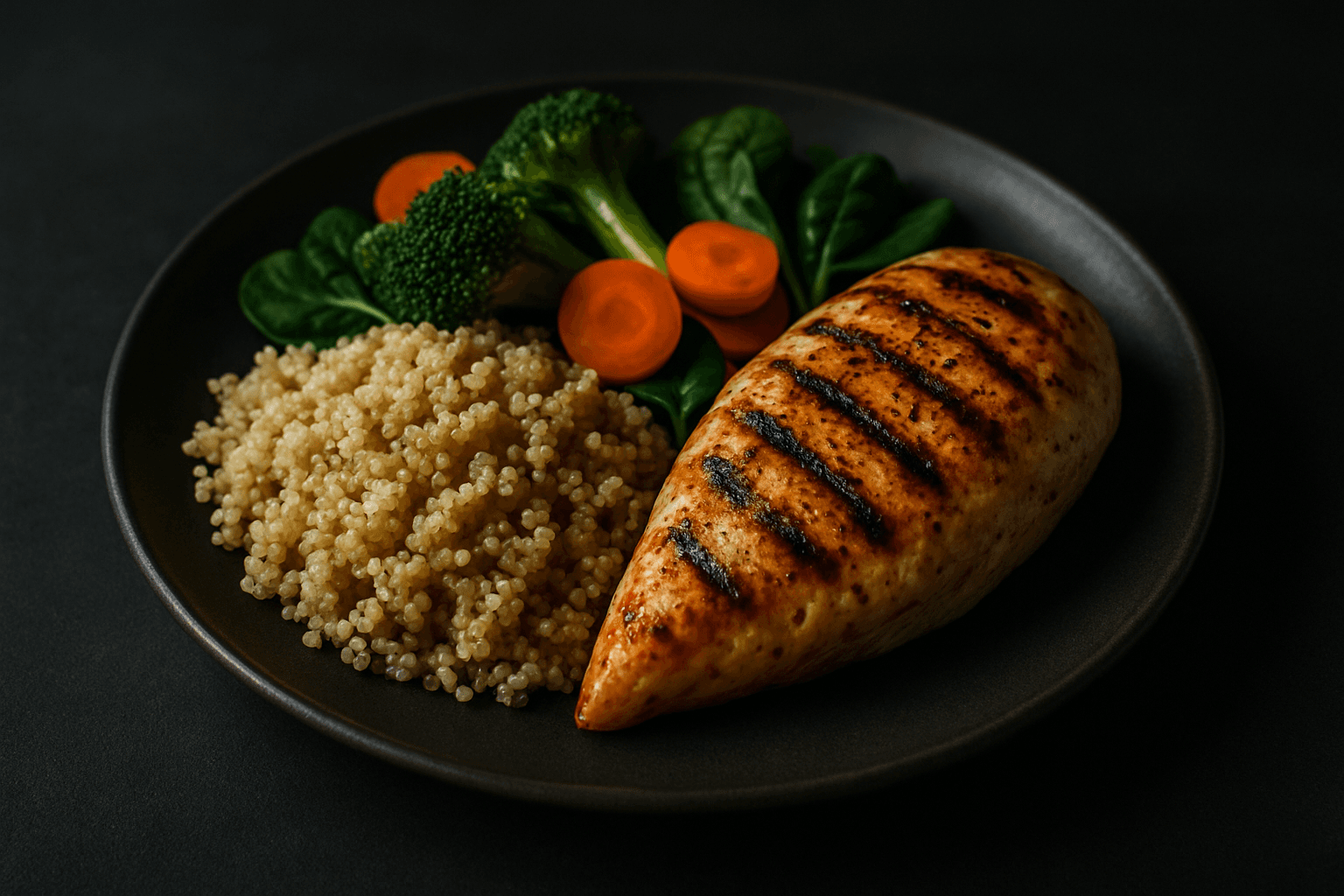
For practitioners and athletes, understanding the principles of muscle protein turnover can inform dietary choices and training regimens. It is advisable for individuals engaged in resistance training to prioritize protein-rich foods around their workouts to capitalize on the post-exercise window for MPS. Furthermore, incorporating a variety of protein sources, including both animal and plant-based proteins, may enhance amino acid profiles and support optimal muscle recovery. Special attention should be given to older adults or those with specific clinical conditions, as they may benefit from higher protein intake to counteract age-related sarcopenia.
Caveats and limitations
While there is substantial evidence supporting the role of dietary protein in muscle protein turnover, individual responses can vary significantly due to genetic predisposition, age, training status, and overall health. Moreover, the methodologies employed in various studies may introduce confounding factors, such as differences in dietary assessment techniques and exercise protocols. Thus, while general recommendations can be made, personalized guidance from a healthcare professional is prudent for optimizing muscle health and addressing specific needs.
References
- Systematic review and meta‐analysis of protein intake to support muscle mass and function in healthy adults — pmc.ncbi.nlm.nih.gov
- Skeletal muscle protein turnover and mitochondrial responses to omega-3 fatty acid supplementation: an update — pmc.ncbi.nlm.nih.gov
- A systematic review, meta-analysis and meta-regression of the effect of protein supplementation on resistance training-induced gains in muscle mass and strength in healthy adults — pmc.ncbi.nlm.nih.gov
- Systematic review and meta-analysis of protein intake to support muscle mass and function in healthy adults — pubmed.ncbi.nlm.nih.gov
- Human muscle protein turnover--why is it so variable? — pubmed.ncbi.nlm.nih.gov