

Regular exercise is paramount for older adults, particularly as they navigate the complexities of aging. Age-related physiological changes, including declines in muscle mass and cardiovascular fitness, necessitate a structured approach to training. A systematic review and meta-analysis of long-term exercise interventions for older adults reveals that consistent participation in physical activity can significantly enhance aerobic capacity, muscular strength, and overall body composition, aligning with the American College of Sports Medicine’s recommendations for exercise volume. The findings indicate that older adults engaging in over 20 years of structured exercise demonstrate marked improvements in these areas.
Mechanism and Physiology
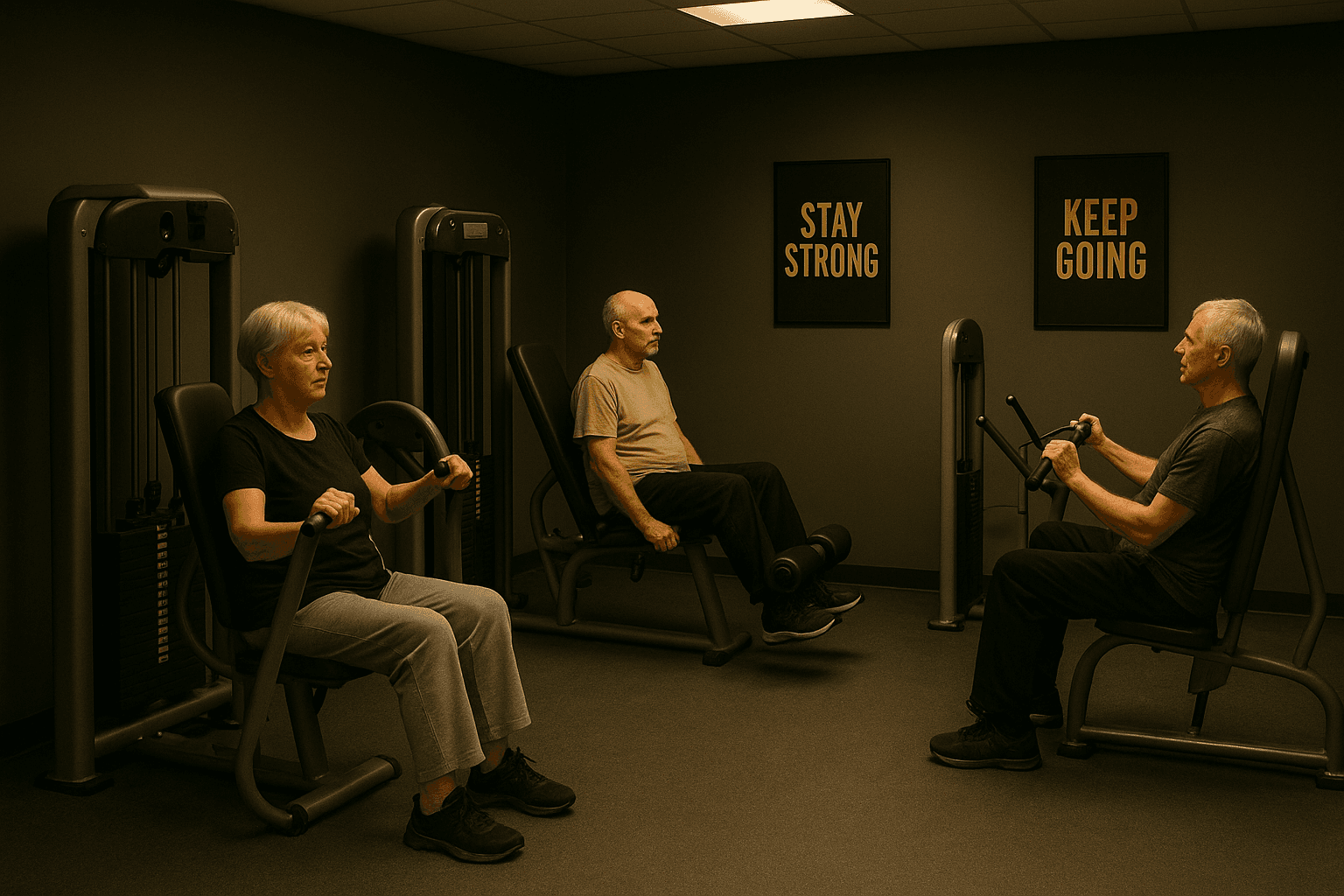
The underlying mechanisms by which exercise benefits older adults are multifaceted. Resistance training, in particular, plays a critical role in combating sarcopenia, the age-related loss of muscle mass and function. Evidence suggests that resistance training enhances neuromuscular adaptations, which are vital for maintaining strength and functional independence. Furthermore, aerobic training has been shown to positively influence cardiovascular health, improving endothelial function and reducing the risk of chronic diseases. These adaptations are crucial not only for enhancing physical performance but also for bolstering metabolic health, which tends to decline with age.
Evidence Summary
Meta-analytical studies indicate that both resistance and aerobic exercises yield substantial benefits for older adults. Specifically, a review of various exercise interventions highlights that resistance training and meditative movement practices are particularly effective in improving muscle strength and balance. The aggregated effect sizes reveal that resistance training produces a moderate effect on muscle strength (Cohen's d = 0.67) and a small to moderate effect on balance (Cohen's d = 0.34) across diverse populations of older adults. Additionally, core training has emerged as a promising strategy for enhancing balance performance, which is critical for fall prevention, a significant concern in this demographic.
Practical Application
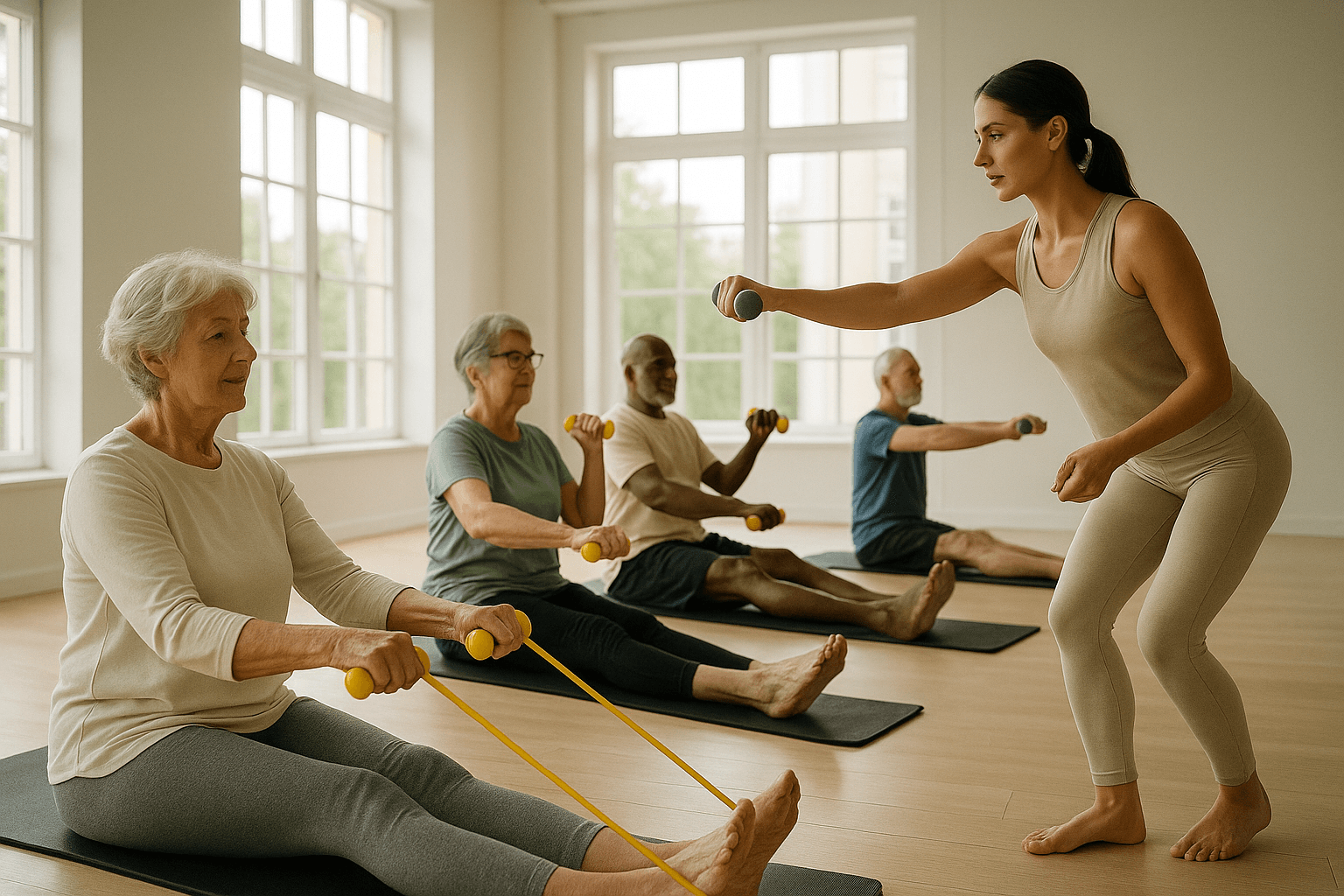
For practitioners working with older adults, it is essential to tailor exercise programs to individual capabilities and limitations. A mixed modality approach, incorporating both resistance training and aerobic activities, is recommended. Sessions should include 2-3 days of resistance training per week, focusing on major muscle groups, complemented by at least 150 minutes of moderate-intensity aerobic activity spread over the week. The inclusion of balance training, such as tai chi or specific core strengthening exercises, can further mitigate fall risk. Importantly, practitioners should monitor individual responses to training, adapting the intensity and volume to optimize adherence and efficacy.
Caveats and Limitations
While the existing body of research supports the benefits of exercise for older adults, several limitations warrant consideration. Many studies exhibit variability in methodologies, participant characteristics, and exercise protocols, which may influence the generalizability of findings. Additionally, the inconsistent reporting of adherence and outcomes complicates the synthesis of data across studies. Future research should aim to standardize interventions and explore the long-term effects of various training modalities on physical and cognitive outcomes in older populations.
References
- Older Adult Aerobic Capacity, Muscular Strength, Fitness and Body Composition After 20+ Years of Exercise Training: A Systematic Review and Meta-Analysis — pmc.ncbi.nlm.nih.gov
- Effects of core training on balance performance in older adults: a systematic review and meta-analysis — pmc.ncbi.nlm.nih.gov
- Exercise interventions for older adults: A systematic review of meta-analyses — pmc.ncbi.nlm.nih.gov
- Enhancing physical fitness in older adults: a six-month medium intensity training intervention yields significant improvements — pmc.ncbi.nlm.nih.gov
- Effectiveness of Physical Activity Programs for Older Adults during COVID-19 across Districts with Different Healthcare Resource — pmc.ncbi.nlm.nih.gov