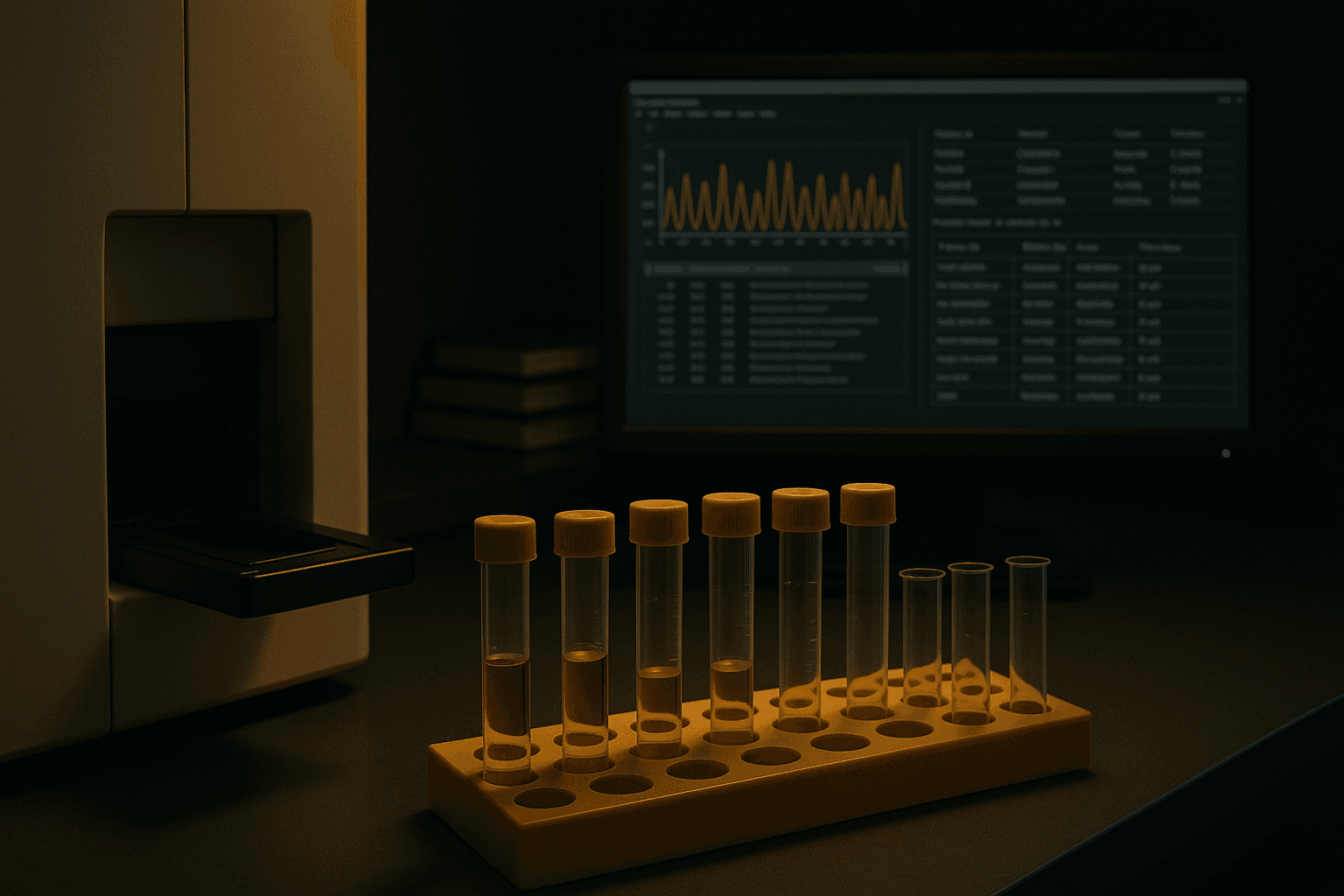



Recovery biomarkers play an essential role in monitoring muscle recovery and the inflammatory response following exercise-induced muscle damage (EIMD). Their utility extends beyond simple indicators of soreness; they can provide insights into the physiological processes underpinning recovery. Notably, branched-chain amino acids (BCAAs) have garnered attention for their potential to modulate muscle damage biomarkers and accelerate recovery outcomes.
Background and Context
Engaging in strenuous physical activity often leads to muscle damage, which can manifest as delayed onset muscle soreness (DOMS). This phenomenon is characterized by stiffness, tenderness, and decreased muscle function, typically peaking 24 to 72 hours post-exercise. The recovery process involves a complex interplay of biochemical pathways, wherein muscle damage biomarkers, such as creatine kinase (CK) and myoglobin, serve as critical indicators of muscle integrity. Elevated levels of these markers in the bloodstream signify muscle injury and necessitate appropriate recovery interventions.
Mechanism or Physiology
The physiological mechanisms underlying muscle recovery encompass both cellular repair processes and inflammatory responses. When muscle fibers sustain damage, satellite cells are activated, leading to muscle regeneration. Concurrently, inflammatory markers, such as cytokines and chemokines, are released, which can modulate the healing process. While a certain degree of inflammation is necessary for recovery, excessive inflammatory responses may hinder muscle repair, prolonging recovery times. Thus, monitoring inflammatory biomarkers can provide valuable insights into the recovery trajectory and inform intervention strategies.
Evidence Summary
Recent systematic reviews and meta-analyses evaluate the impact of BCAA supplementation on muscle recovery. One such analysis indicates that BCAA supplementation may significantly reduce muscle damage biomarkers and perceived soreness after intense exercise. Specifically, the findings suggest a positive effect on reducing CK levels and enhancing recovery rates, particularly in trained individuals. The effect size of BCAA supplementation on muscle soreness has been quantified, revealing a standardized mean difference that indicates a moderate effect, particularly when administered post-exercise. Furthermore, research underscores the relevance of inflammatory biomarkers in predicting recovery outcomes. For instance, elevated levels of interleukin-6 (IL-6) and tumor necrosis factor-alpha (TNF-α) can serve as prognostic indicators of prolonged recovery times, especially in populations engaging in high-intensity training.
Practical Application
For practitioners and athletes alike, understanding and utilizing recovery biomarkers can significantly enhance performance outcomes. Incorporating BCAA supplementation into training regimens may facilitate quicker recovery, thereby allowing for more frequent and intense training sessions. Additionally, regular monitoring of muscle damage and inflammatory biomarkers can guide personalized recovery strategies. For instance, athletes exhibiting elevated inflammatory markers could benefit from tailored nutrition and recovery protocols aimed at modulating inflammation and promoting healing processes.
Caveats and Limitations
Despite the promising findings surrounding recovery biomarkers, several caveats warrant consideration. Individual variability in response to BCAA supplementation is notable, with factors such as genetics, training status, and overall nutritional intake influencing outcomes. Furthermore, while biomarkers provide valuable insights, they are not infallible; they may not account for all physiological adaptations occurring post-exercise. Therefore, practitioners should employ these biomarkers as part of a comprehensive recovery strategy that includes monitoring subjective measures of recovery, such as perceived exertion and muscle soreness.
References
- Attenuating Muscle Damage Biomarkers and Muscle Soreness After an Exercise-Induced Muscle Damage with Branched-Chain Amino Acid (BCAA) Supplementation: A Systematic Review and Meta-analysis — pubmed.ncbi.nlm.nih.gov
- Attenuating Muscle Damage Biomarkers and Muscle Soreness After an Exercise-Induced Muscle Damage with Branched-Chain Amino Acid (BCAA) Supplementation: A Systematic Review and Meta-analysis — pmc.ncbi.nlm.nih.gov
- A Systematic Review and Meta-Analysis of the Inflammatory Biomarkers — pmc.ncbi.nlm.nih.gov
- Biomarkers in Sports and Exercise: Tracking Health, Performance, and Recovery in Athletes — pmc.ncbi.nlm.nih.gov
- Circulating MicroRNAs and Extracellular Vesicle-Derived Biomarkers — pubmed.ncbi.nlm.nih.gov
For personal medical concerns, please consult a qualified physician.