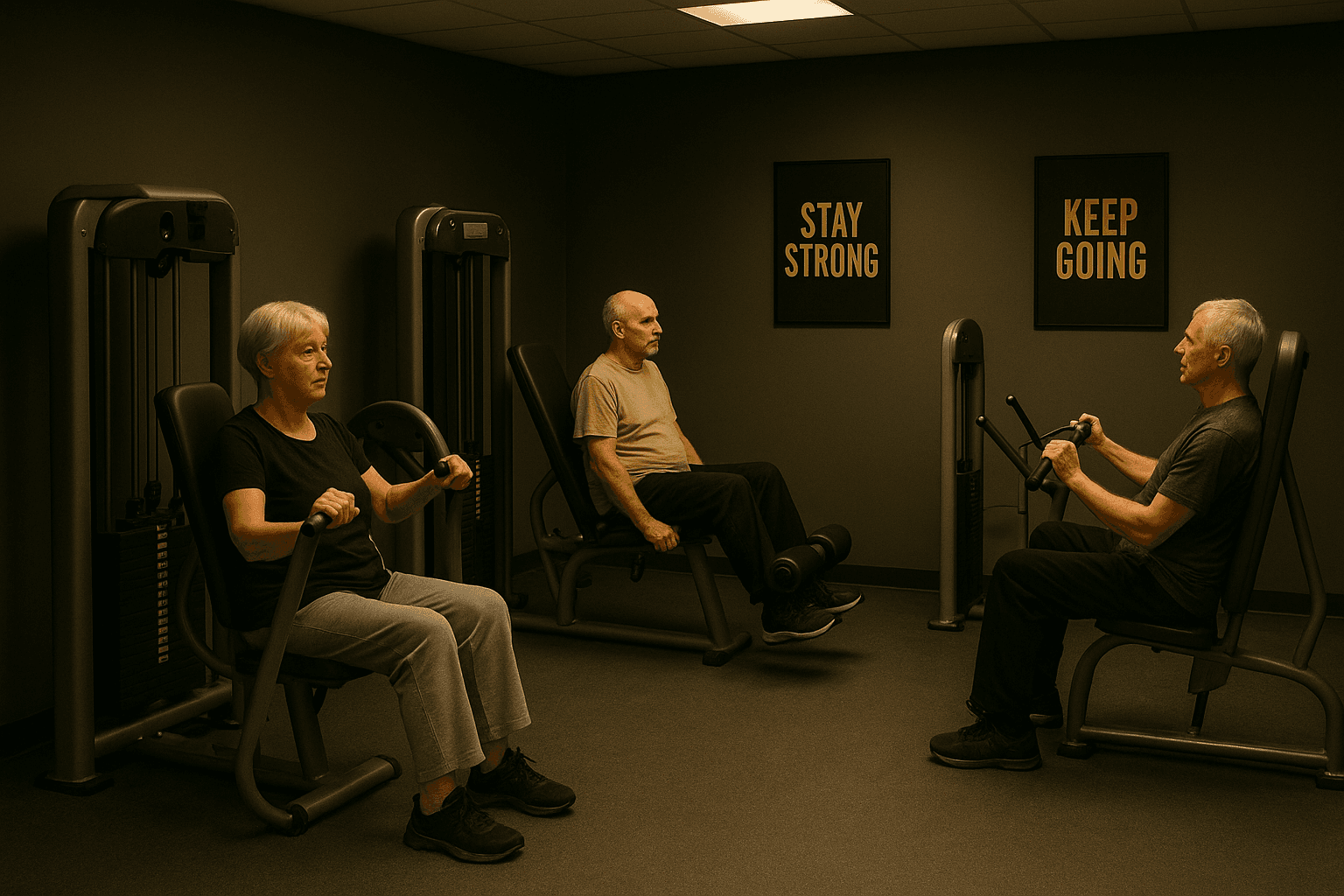



The relationship between sleep and training is intricate, with emerging evidence suggesting that exercise can play a pivotal role in enhancing sleep quality. Recent systematic reviews and meta-analyses have illuminated this connection, indicating that various forms of exercise, including resistance training, can lead to significant improvements in sleep characteristics. For instance, a meta-analysis involving 21 studies demonstrated that a combined aerobic and resistance exercise program resulted in a notable reduction in sleep disturbances and improvements in overall sleep quality, with effect sizes of d = 0.28 for sleep quality and d = 0.43 for insomnia (95% CI: 0.07-0.49) among individuals diagnosed with cancer. This underscores the potential of structured exercise interventions to address sleep issues, particularly in populations with specific health challenges.
Mechanism or Physiology
The physiological mechanisms underlying the beneficial effects of exercise on sleep are multifaceted. Exercise is known to influence circadian rhythms, enhance sleep architecture, and promote the release of sleep-regulating hormones such as melatonin. Physical activity increases the duration of slow-wave sleep, which is critical for recovery and physiological restoration. Furthermore, exercise can reduce symptoms of anxiety and depression, both of which are closely linked to sleep disturbances. The release of endorphins and other neurochemicals during exercise may also contribute to improved mood and relaxation, facilitating a more restful sleep experience.
Evidence Summary
A comprehensive review of the literature reveals that exercise has a consistent positive impact on sleep quality across various populations. For example, a systematic review focusing on adolescents and emerging adults without sleep disorders found that behavioral sleep-promoting interventions, including exercise, significantly improved sleep efficiency and total sleep time. The effect sizes in this demographic were substantial, suggesting that even moderate exercise can yield meaningful benefits. Additionally, studies examining older adults have shown that regular physical activity can mitigate age-related declines in sleep quality, emphasizing the importance of maintaining an active lifestyle throughout one's life.
Practical Application
For individuals seeking to optimize their sleep through training, several practical recommendations emerge. First, incorporating a mix of aerobic and resistance training into weekly routines may yield the best outcomes. Specifically, engaging in 60 minutes of combined exercise 2-3 times per week has been shown to enhance sleep quality effectively. Moreover, timing is crucial; exercising too close to bedtime may hinder sleep onset due to elevated heart rates and adrenaline levels. Therefore, scheduling workouts earlier in the day or at least several hours before sleep can facilitate better rest. Additionally, mindfulness practices such as yoga or stretching can complement physical training by promoting relaxation and preparing the body for sleep.
Caveats and Limitations
While the evidence supporting the link between exercise and improved sleep quality is compelling, several caveats warrant consideration. Individual responses to exercise can vary widely, influenced by factors such as training age, fitness level, and personal health conditions. Moreover, the type and intensity of exercise may yield different effects; for instance, high-intensity workouts may not be suitable for everyone, particularly those with certain medical conditions. Furthermore, while exercise can improve sleep, it is not a panacea for all sleep disorders, and individuals experiencing chronic sleep issues should consult healthcare professionals for tailored advice. The interplay of sleep and training remains an area ripe for further research, particularly in understanding the long-term impacts of exercise on sleep health across diverse populations.
References
- Effects of resistance training on sleep quality and disorders among individuals diagnosed with cancer: A systematic review and meta-analysis of randomized controlled trials — pubmed.ncbi.nlm.nih.gov
- A Systematic Review and Meta-Analysis of Behavioral Sleep Interventions for Adolescents and Emerging Adults — pmc.ncbi.nlm.nih.gov
- Exercise and sleep: a systematic review of previous meta-analyses — pmc.ncbi.nlm.nih.gov
- Interrelationship between Sleep and Exercise: A Systematic Review — pmc.ncbi.nlm.nih.gov
- Exercise can improve sleep quality: a systematic review and meta-analysis — pmc.ncbi.nlm.nih.gov