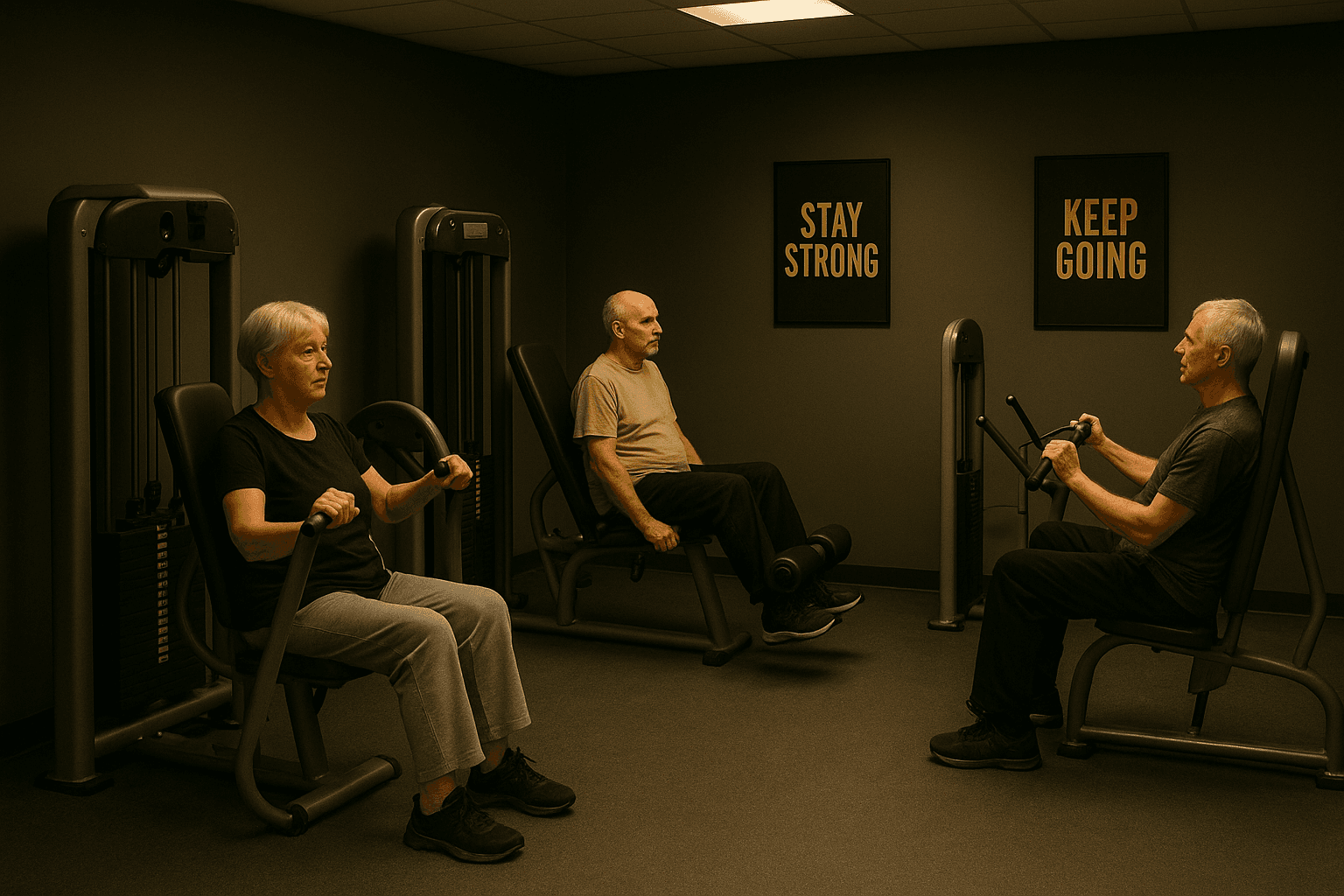


The interaction between sleep and training is a complex and multifaceted relationship that significantly influences athletic performance and recovery. Recent systematic reviews and meta-analyses have provided insights into how training modalities affect sleep quality. For instance, a systematic review focusing on elite athletes has revealed that factors associated with both training and competition can negatively impact sleep patterns. Specifically, the demands of high-level training often lead to increased sleep disturbances, which in turn may impair performance and recovery.
Background and Context
Research indicates that sleep is not merely a passive state but an active process essential for recovery and adaptation following training stress. Sleep disturbances are prevalent among athletes, particularly during periods of intensive training or competition. The physiological mechanisms through which sleep impacts training outcomes involve hormonal regulation, muscle repair, and cognitive function. For athletes subjected to high training loads, inadequate sleep may elevate injury risk and impair both physical and mental performance.
Mechanism or Physiology
Sleep is crucial for several physiological processes, including muscle protein synthesis and the release of growth hormone. During deep sleep, the body undergoes repair processes that are vital for muscle recovery and growth. Evidence suggests that sleep deprivation may lead to increased levels of cortisol, a hormone associated with stress that can impede recovery and muscle growth. Moreover, sleep quality significantly affects cognitive functions such as decision-making and reaction time, critical components in competitive sports.
Evidence Summary
A systematic review examining the effects of training and competition on the sleep of elite athletes highlighted that approximately 50% of athletes report sleep disturbances. The data point to a strong correlation between increased training stress and the prevalence of sleep issues. Another meta-analysis specifically targeting the effects of exercise on sleep quality found that both aerobic and resistance training significantly improved sleep outcomes across varied populations. The pooled analysis indicated a moderate effect size, suggesting that structured exercise regimens can enhance sleep quality, particularly in individuals suffering from insomnia or obstructive sleep apnea. For example, an unstandardized mean difference in sleep quality was observed, demonstrating the potential benefits of integrating exercise into treatment plans for sleep disorders.
Practical Application
For practitioners working with athletes, understanding the bidirectional relationship between sleep and training can inform better recovery strategies. It is advisable to prioritize sleep hygiene practices, such as maintaining a consistent sleep schedule, creating a conducive sleep environment, and implementing relaxation techniques post-training. Furthermore, athletes should be encouraged to monitor their sleep patterns and report any disturbances, as early intervention may mitigate potential performance declines. Tailoring training loads to individual recovery needs can also play a critical role in optimizing both sleep and performance, allowing for adjustments based on subjective sleep quality assessments.
Caveats and Limitations
While the evidence suggests a significant relationship between sleep and training, several caveats must be acknowledged. Individual variability in sleep needs and responses to training stress can complicate generalizations. Additionally, the existing literature predominantly focuses on elite athletes, which may not fully translate to recreational or untrained populations. Further research is warranted to explore these dynamics across different demographics and training contexts. Moreover, sleep assessment methods vary widely, and inconsistencies in study designs can affect the robustness of findings.
References
- Effects of training and competition on the sleep of elite athletes: a systematic review and meta-analysis — PubMed
- Effects of aerobic exercise and resistance training on obstructive sleep apnea: a systematic review and meta-analysis — PubMed
- Effect of exercise training on sleep apnea: A systematic review and meta-analysis — PubMed
- Exercise can improve sleep quality: a systematic review and meta-analysis — PMC
- Sleep and Athletic Performance: Impacts on Physical Performance, Mental Performance, Injury Risk and Recovery, and Mental Health — PMC
For personal medical concerns regarding sleep and training, it is advisable to consult a healthcare professional.