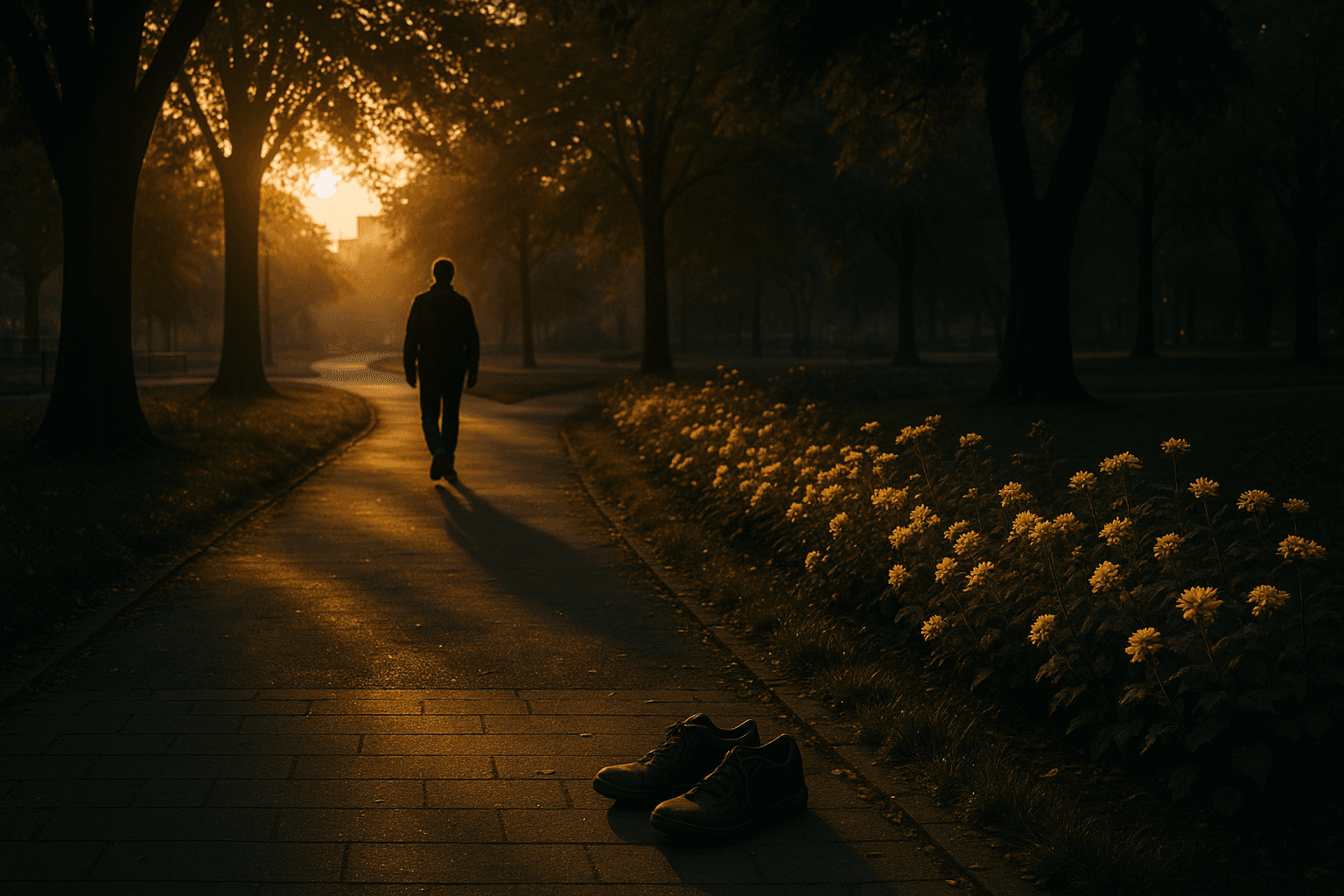


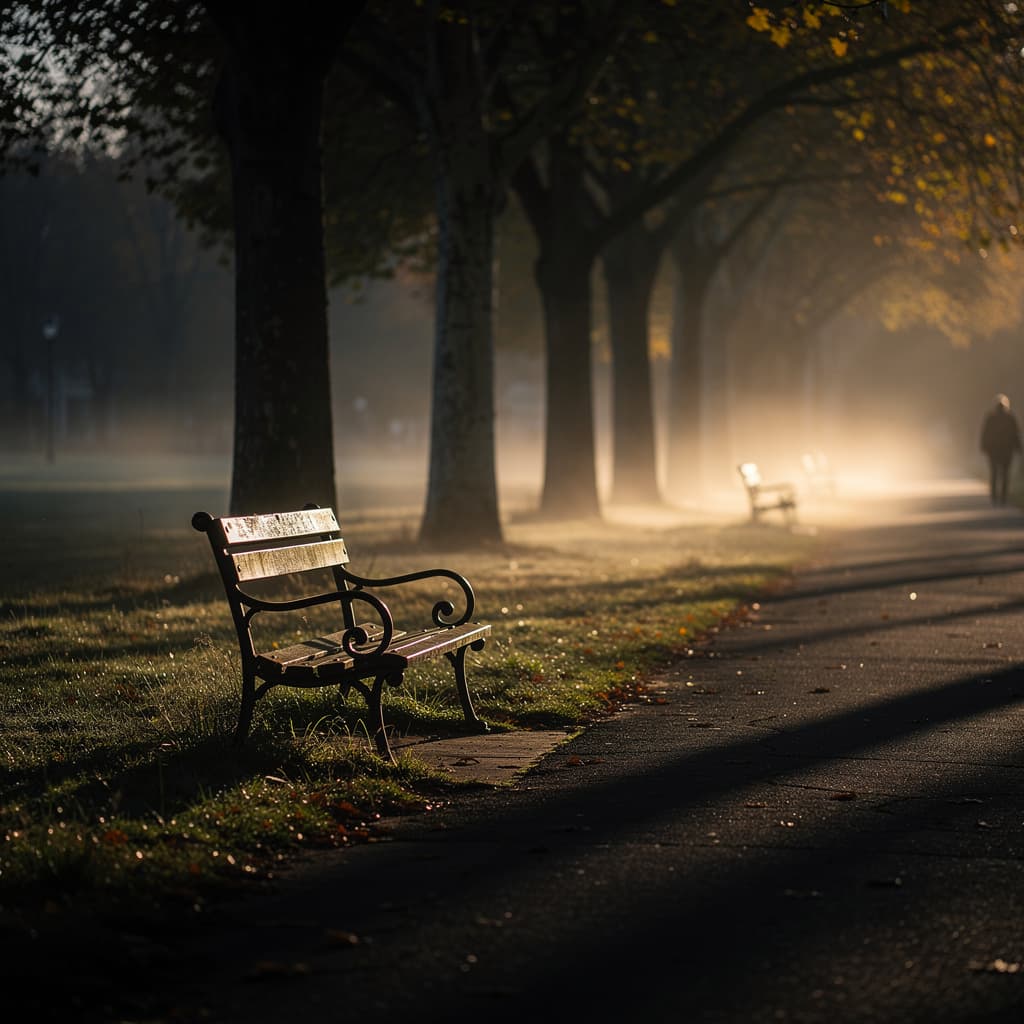
At seven forty-five the gates of the small park off Nanchang Street are already open, though nobody seems to have opened them. A woman in a pale blue coat sits on the bench nearest the osmanthus, not reading, not looking at a phone, just sitting. Two elderly men walk the perimeter path in opposite directions, nodding each time they pass, a ritual so worn it needs no words. The morning light is still low enough to throw long shadows from the plane trees, and the grass holds a dampness that will burn off by nine. This is the hour when the park belongs to those who understand that a green space is not a destination but a companion to the day.
What Unfolds Along the Loop
By eight the tai chi group has assembled under the pagoda, their movements slow and synchronous, a silent choreography that seems to pull the sun higher. A runner passes them, earbuds in, but her pace is unhurried, almost conversational with the path. Near the pond, a grandfather points at a turtle sunning on a rock, and his grandson squats to watch, utterly still for a full minute. The park at this hour is a series of small negotiations between solitude and company, between movement and stillness. No one claims the space; everyone borrows it for a while. The benches fill and empty, fill and empty, like breathing. A woman with a walker makes her way along the level path that circles the central lawn, her progress steady and sure, and a younger woman walking a dog slows to match her pace for a few steps before moving on. These are the unscripted exchanges that a well-designed park can hold, the kind that require no planning, only presence.
The Air and the Ground
After the morning rush, the park settles into a quieter register. The smell of damp earth rises from the flower beds, mingling with the faint sweetness of osmanthus and the metallic tang of water from the fountain. A breeze moves through the plane trees, and the sound of leaves is a low rustle, not quite a whisper, not quite a sigh. On the far side, a gardener is turning soil in a raised bed, and the rhythmic scrape of his trowel carries across the lawn. The ground underfoot is mostly level, with paved paths wide enough for two walkers abreast or a wheelchair to pass comfortably. A group of seniors gathers at a table near the community garden, some with canes propped against the bench, discussing the progress of the tomatoes. The park feels, at this moment, like a room in a shared house, where everyone knows the unspoken rules: leave the space as you found it, acknowledge others with a nod, let the green do its work. The world outside the gates—the delivery scooters, the honking, the endless notifications—recedes to a dull hum, barely audible over the birds.
A Small Invitation
There is a bench at the northwest corner, tucked behind a hedge of gardenia, that catches the last of the morning shade. If you arrive before ten, you might find it empty. Sit there for ten minutes, or fifteen, or however long it takes for your shoulders to drop. Watch the light shift on the lawn. Listen to the fountain. Notice the man who walks his cat on a harness, the child who insists on pushing her own stroller, the couple who always take the bench by the magnolia. The park does not demand a workout or a step count or a mindfulness practice. It simply waits, open and uncharged, for whoever needs to step out of the current of the day and into something slower. And if you go often enough, at the same hour, you may find that the park begins to recognize you—not your name, not your story, but the simple fact of your presence, which is enough.
References
- Baseline assessment - Extranet Systems — WHO Age-friendly World
- Health as the pulse of the new urban agenda — WHO IRIS
- Urban Green Space and Health: Intervention Impacts and ... — WHO Europe
If you have concerns about how physical activity or time outdoors may affect your health, consult a physician for guidance tailored to your circumstances.