


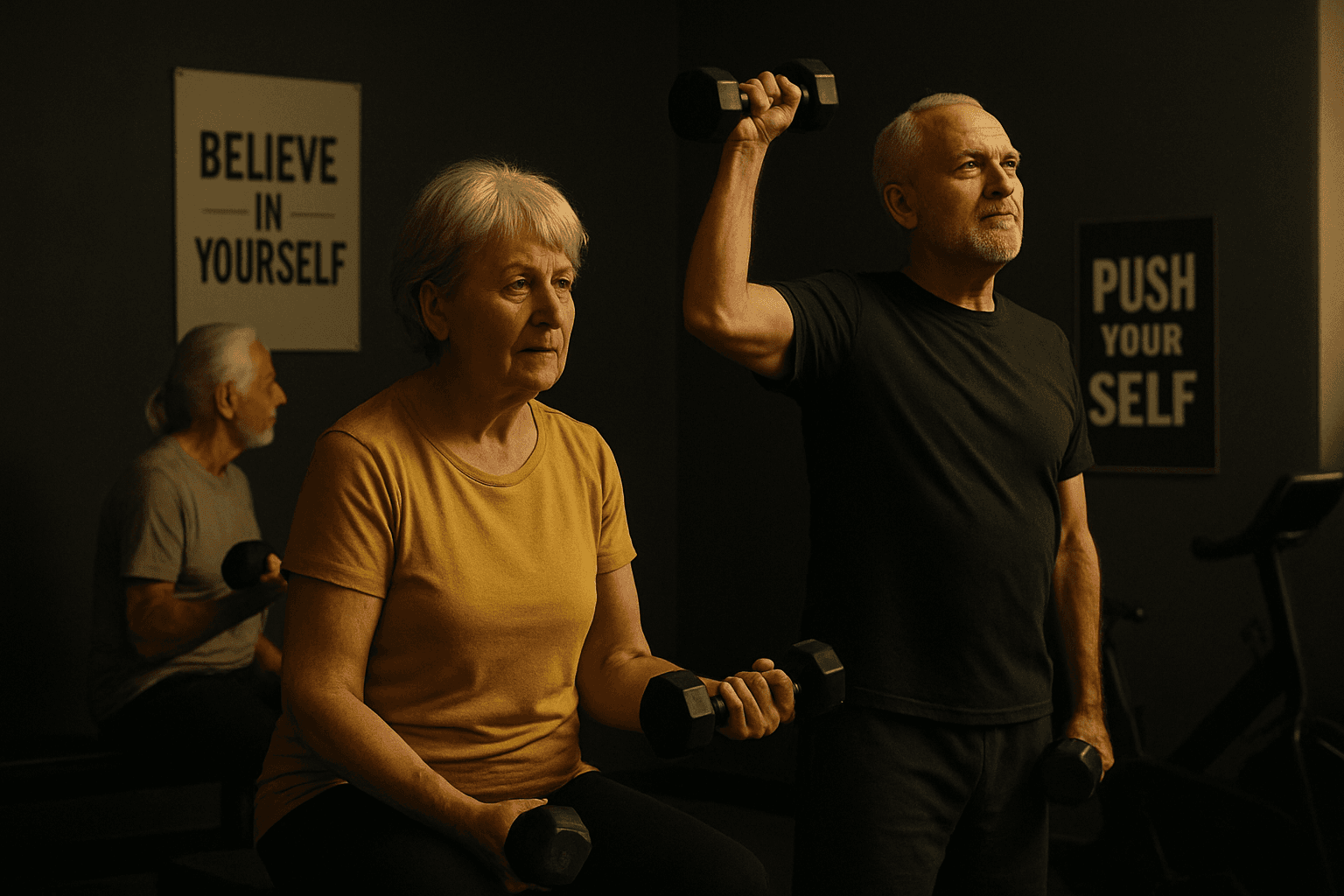
The relationship between training age and the effectiveness of resistance training is complex and nuanced. Evidence indicates that the physiological adaptations resulting from resistance training vary significantly with the individual's training history. Specifically, those with a longer training age often experience different outcomes compared to their less experienced counterparts. This discrepancy is particularly evident in older adults, where the effects of resistance training on muscle mass and cognitive function can be markedly influenced by the length and intensity of prior training.
Background and context
Training age refers to the duration and consistency of an individual's engagement in resistance training. It is a critical factor that can modulate the outcomes of exercise interventions. For instance, older adults with extensive training histories may exhibit different responses to resistance training compared to those who are newer to such regimens. This is particularly relevant given the increasing prevalence of resistance training among older populations seeking to maintain or improve their physical capabilities.
Mechanism or physiology
The physiological mechanisms underlying the effects of training age are multifaceted. For one, muscle protein synthesis rates decline with age, necessitating longer periods of progressive overload for older adults to achieve similar gains as younger individuals. A recent meta-analysis suggests that older adults may require at least 16 weeks of resistance training to observe significant increases in muscle mass, contrasting with the 8 to 12 weeks often sufficient for younger adults. This difference can be attributed to age-related declines in anabolic hormone levels and muscle regenerative capacity, which are less pronounced in those with a longer training history.
Evidence summary
Subgroup analyses from systematic reviews reveal that the cognitive benefits of resistance training are more pronounced in individuals aged 65–74, with limited effects observed in those over 75. This suggests that the establishment of cognitive reserve, a protective mechanism against cognitive decline, is particularly effective when resistance training is introduced early in life or maintained consistently throughout the aging process. The effect sizes for cognitive improvements associated with resistance training in older adults range from small to moderate, with standardized mean differences often reflecting greater benefits for those with a shorter training age (g = 0.32) compared to longer training durations.
Practical application
For practitioners, the implications of training age are significant. Tailoring resistance training programs to accommodate the training history of individuals can optimize outcomes. For instance, older adults who are new to resistance training should be introduced to progressive overload gradually, focusing on form and technique before increasing intensity. Conversely, seasoned lifters may benefit from more advanced techniques and varied programming to continue eliciting adaptations. Additionally, understanding that older adults may require longer intervention periods to achieve similar results as younger populations can guide realistic goal-setting and expectations.
Caveats and limitations
Despite the insights provided by current research, several caveats should be considered. The variability in individual responses to resistance training can be influenced by genetic factors, lifestyle choices, and overall health status. Moreover, the majority of studies have focused on specific populations, which may limit the generalizability of findings across diverse groups. Future research should aim to include a broader range of participants to better understand how training age interacts with other variables such as sex, ethnicity, and pre-existing health conditions.
References
- Effects of Exercise Training Interventions on Executive Function in Older Adults: A Systematic Review and Meta-Analysis — pubmed.ncbi.nlm.nih.gov
- A systematic review and meta-analysis of the effects of resistance exercise on cognitive function in older adults — pmc.ncbi.nlm.nih.gov
- Effects of resistance exercise programs on older adults: a systematic review and meta-analysis — pmc.ncbi.nlm.nih.gov
- Exercise interventions for older adults: A systematic review of meta... — pmc.ncbi.nlm.nih.gov
- Relative age effect at Concacaf championships: Influence of sex, age, nationality, playing position, and playing status — pmc.ncbi.nlm.nih.gov
For personal medical concerns, please consult a qualified physician.