


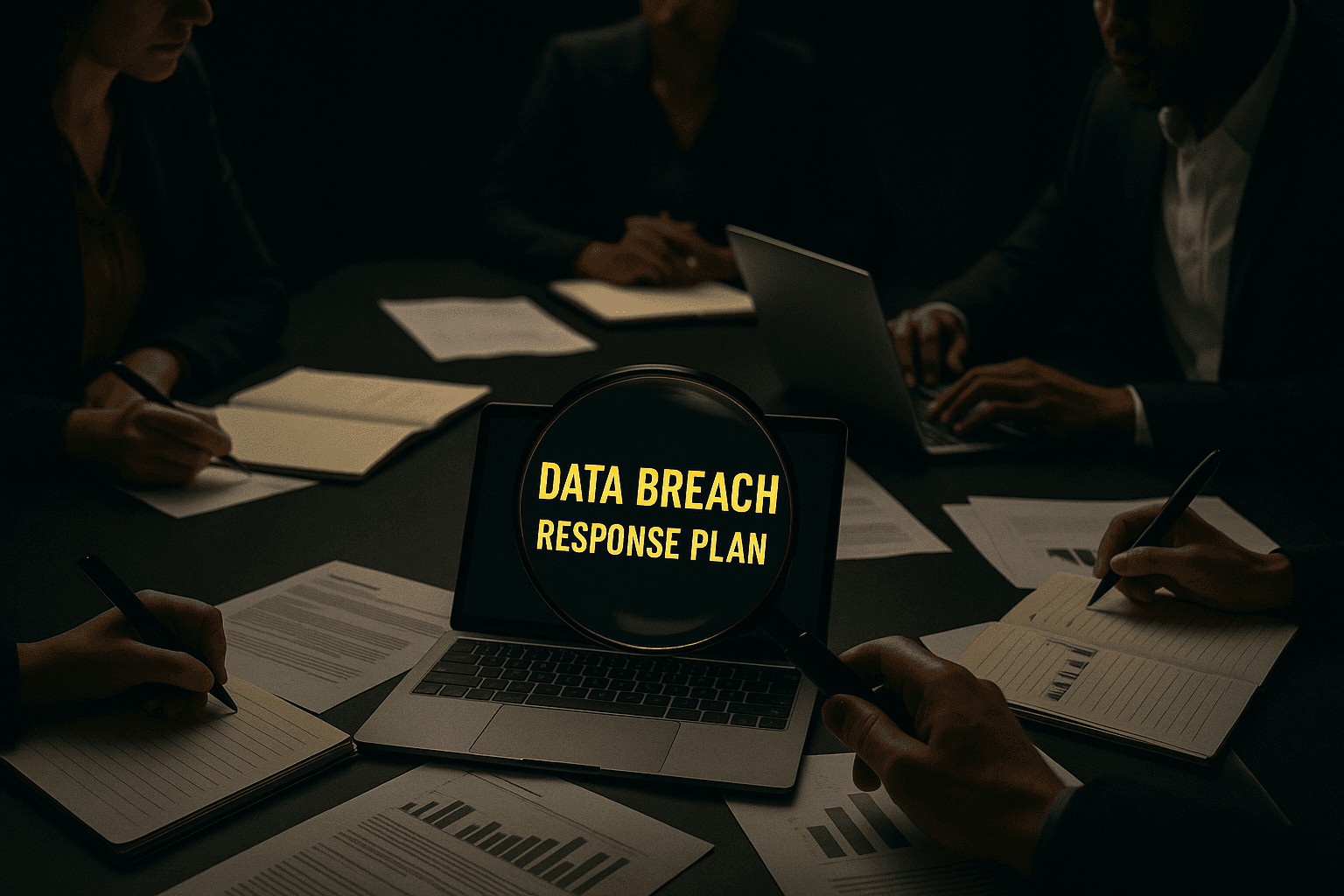
What do you do when you discover a data breach? The initial reaction often involves panic and confusion, but a well-structured response is essential to mitigate damages and restore trust. According to the FTC, the first step is to assemble a team of experts tailored to your organization’s needs. You need specialists from various functions: legal, information security, IT, and even communications. This multi-disciplinary approach ensures that all aspects of the breach are covered.
The Pitch
Companies often tout their commitment to security, assuring consumers that their data is in safe hands. However, when a breach occurs, this assurance is put to the test. The breach response plan should be a living document, reviewed regularly and updated based on new threats or vulnerabilities. Organizations should not merely wait for incidents to happen but should prepare in advance by planning for the unexpected.
What They Collect
In the event of a breach, data forensics play a critical role. Hire independent forensic investigators to help determine how the breach occurred and the extent of the data compromised. Their task includes capturing forensic images of affected systems and collecting evidence that can guide your remedial actions. This step is not just about patching up; it’s about understanding what went wrong so it doesn’t happen again.
What They Don’t Tell You
Companies are often hesitant to disclose the full extent of a breach, focusing instead on the immediate steps they are taking while downplaying potential long-term ramifications. For example, notifying affected customers is not just a legal requirement; it’s also a trust-building exercise. However, many notifications are poorly structured, lacking clarity, and fail to inform affected individuals about what data was compromised and what steps they should take next. A consistent notification process—as outlined in FTC resources—can alleviate confusion and help maintain customer confidence.
Moreover, the implications of a breach extend beyond immediate financial penalties or reputational damage. The FTC has taken action against companies like AshleyMadison.com for failing to protect user data adequately, resulting in settlements that enforce stricter data security measures. Such consequences illustrate that the aftermath of a breach can lead to regulatory scrutiny and financial repercussions, further emphasizing the need for a robust response strategy.
Your Move
So, what should you do in the wake of a data breach? Start by documenting your investigation thoroughly. This means retaining all evidence and ensuring that nothing is deleted or altered during your inquiry. As you collect information, implement changes based on your findings to fortify your defenses against future breaches.
Transparency is also crucial. Notify customers about the breach promptly, but ensure the messaging is clear and informative. Provide steps they can take to protect themselves, such as changing passwords or monitoring financial accounts. The goal is to not only inform but also guide them through the aftermath.
Finally, review and revise your data security policies regularly. The landscape of cybersecurity is ever-evolving, and so should your defenses. Regular training for employees on recognizing potential threats can also make a significant difference. In short, a proactive stance on data protection can help prevent breaches from occurring in the first place.
References
- Data Breach Response - Bulkorder — ftc.gov
- Data Breach Response: A Guide for Business — ftc.gov
- FTC Earns Prestigious International Award for AshleyMadison.com Data Breach Investigation — ftc.gov
- Issues with Data Breach Notifications and Implications for ... — ftc.gov
- FTC Imposes $5 Billion Penalty and Sweeping New Privacy ... — ftc.gov