

Place setting
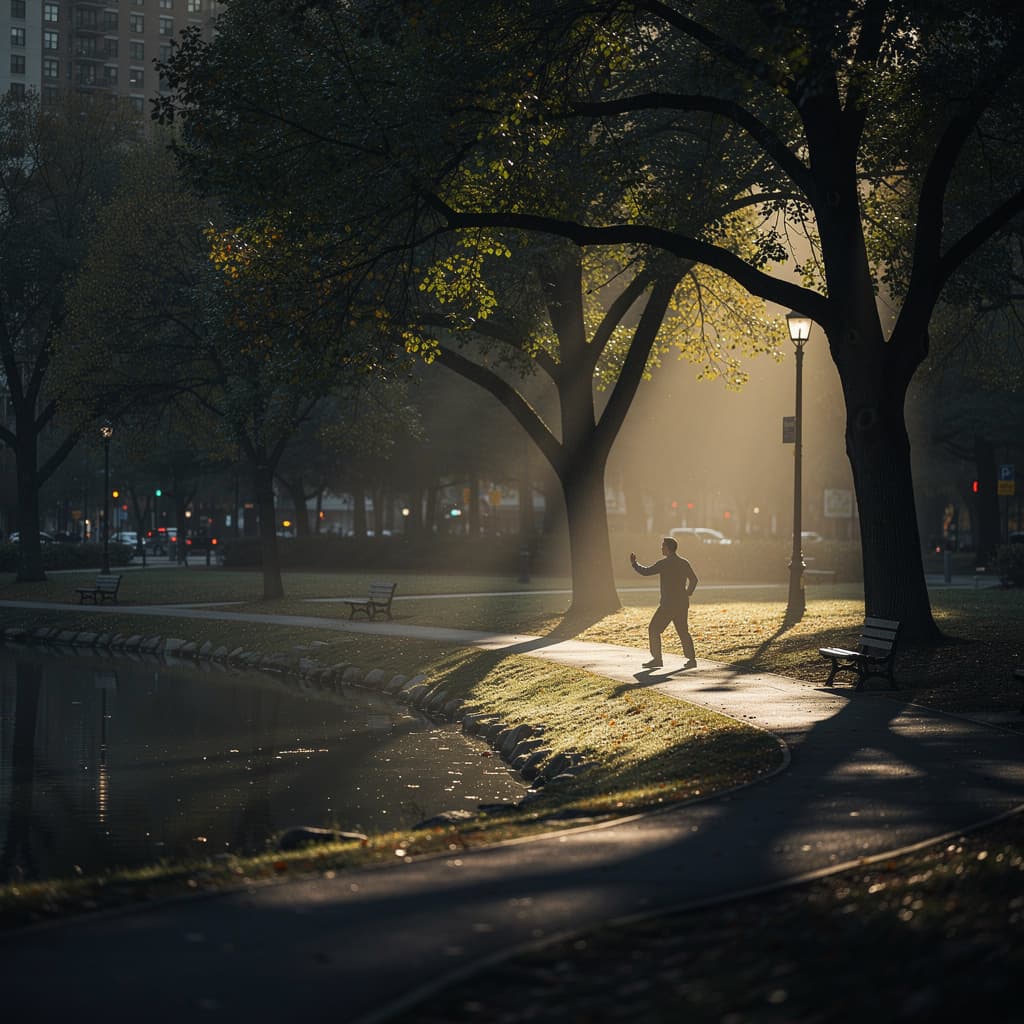
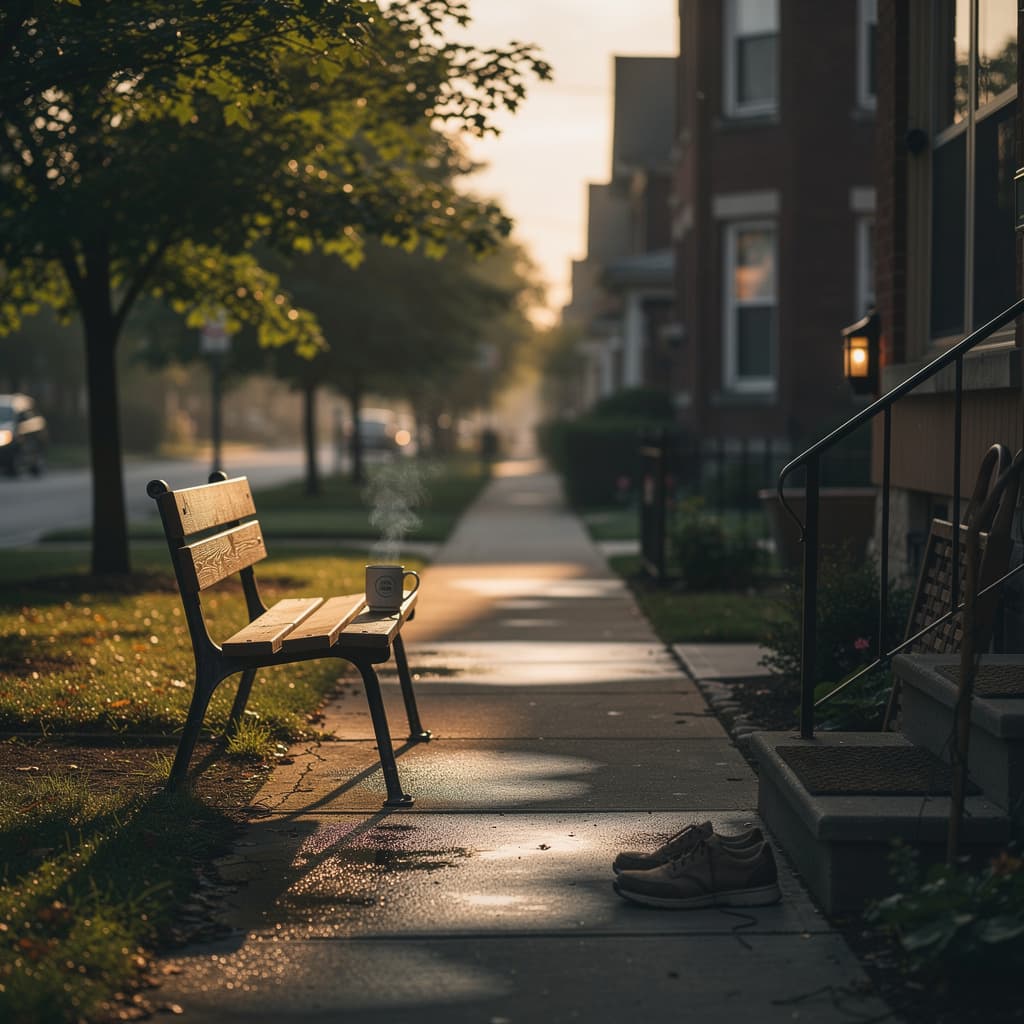
The lane behind the temple looks the same on every map but shifts personality three times before dusk. At four it belongs to elderly tai chi practitioners and a sleeping dog sprawled across the warm concrete. By five it belongs to delivery scooters and the clatter of mahjong tiles from an upper window. By six, a small queue forms outside a noodle shop nobody seems to advertise, and the light begins its slow amber shift. This is the Suyeong district, where the municipality has been stitching together an urban Galmaetgil—a network of walking paths linking taste, history, and the ordinary corners people usually hurry past. The planners speak of intergenerational exchange and walkable neighborhoods, but on the ground it translates into a grandmother pausing on a bench to watch children chase a ball, a young couple walking arm in arm past a mural of a fish. The infrastructure is quiet. It does not demand attention. It only invites.
What unfolds
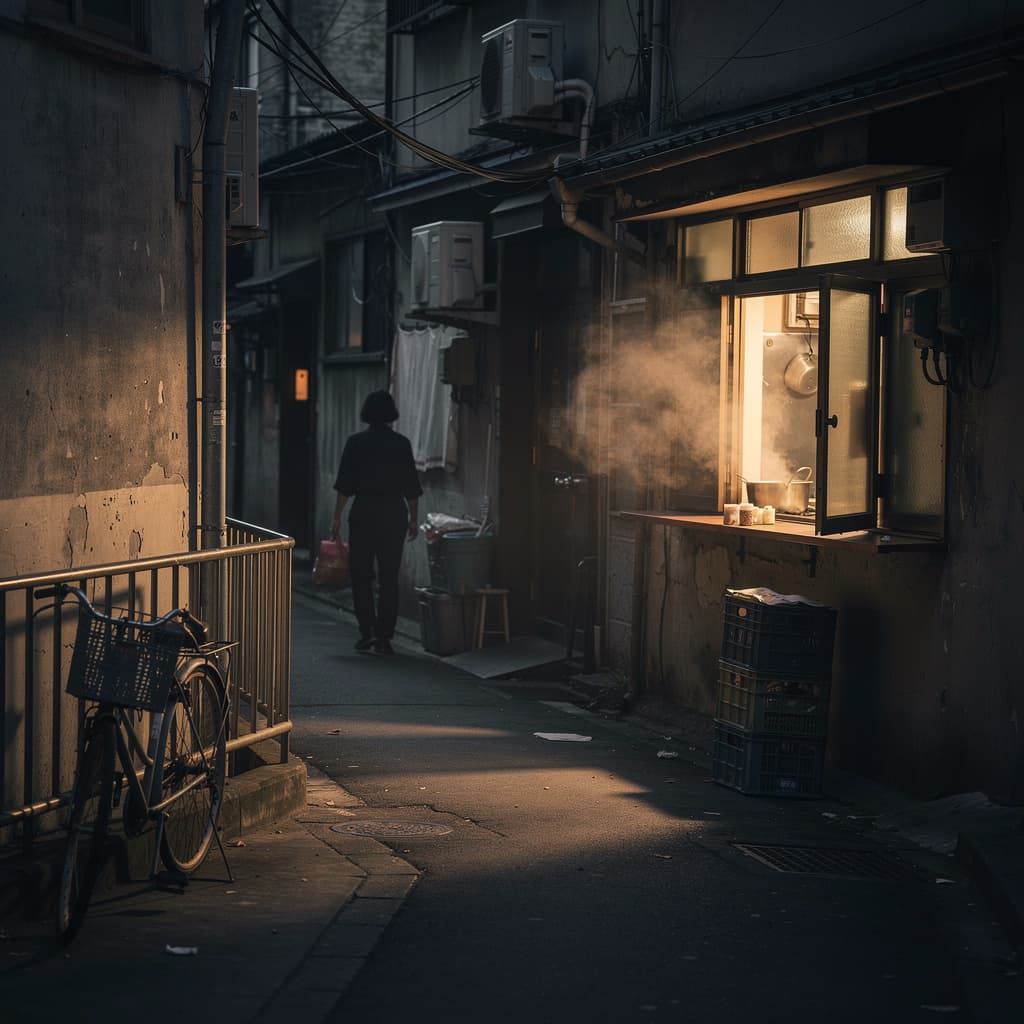
At golden hour the lane becomes a theater of small arrivals. A man in a faded jacket carries a paper bag back toward the river, his shadow stretching long and thin across the pavement. A boy on a scooter weaves between two cats that have claimed a sun-warmed patch of asphalt. The noodle shop slides open its glass door and the queue shuffles forward, each person stepping into the amber light as if crossing a threshold. What the walker sees is not a sequence of events but a layering of lives: the same block walked four times in one evening reveals four different places. At 5:45 the light catches dust motes above a pile of stacked crates. At 6:10 it paints the wall opposite the temple in a wash of rose and gold. At 6:30 it retreats, leaving the lane in a blue-gray hush. The walker who stays long enough notices the city is not a static backdrop but a slow-moving river of gestures—a hand raised in greeting, a bicycle leaned against a railing, a curtain drawn back to let in the last of the sun.
Sensory detail
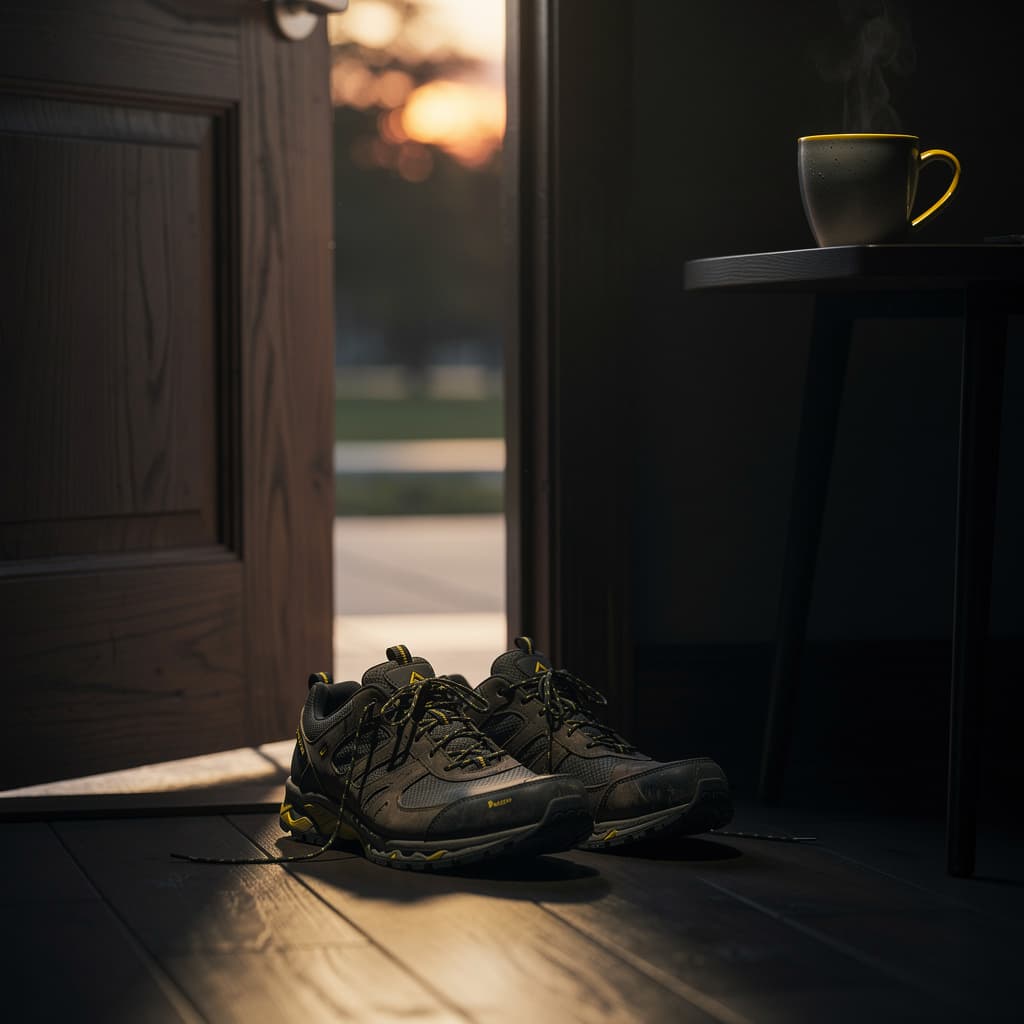
The golden hour walk is a sensory inheritance. The smell of sesame oil drifts from a half-open kitchen window and mingles with the faint, clean scent of water evaporating from the pavement where the woman in the blue apron has finished watering. The bicycle bell rings twice—a high, bright note that cuts through the low hum of a distant bus. The texture of the air changes: the dry heat of late afternoon gives way to a cooler, softer breeze carrying laughter from the noodle shop queue. Underfoot, the concrete is still warm, and the walker can feel the day's heat radiating up through the soles of their shoes. In the distance, a temple bell sounds once, and the vibration seems to hang in the golden light for a moment before dissolving. These details are not ornaments. They are the substance of the walk, the reason the walker steps out in the first place. The body registers them before the mind does, and the effect is a quiet settling—a recalibration of the inner clock to the rhythm of the street.
Reader nudge
Some streets only reveal themselves slowly. The lane behind the temple is one of them, but every neighborhood has its own version: a stretch of pavement that changes character with the light, a corner where the sounds and smells converge into something distinct. The walker who steps out at golden hour with no destination and no agenda inherits a city that is not listed on any map. The benefits of walking are well documented—a 12-week walking program can reduce anxiety and improve cardiorespiratory fitness, and a brisk pace may lower the risk of type 2 diabetes—but those are the measurements, not the experience. The experience is the paper boat in the gutter, the sleeping dog, the smell of sesame oil at six in the evening. It is the slow revelation that the city is not a problem to be solved but a place to be inhabited. Walk the same block four times in one evening. You will have visited four different places. There is no app for that part.
FAQ
Do I need to live near a temple lane to experience this?
No. Every neighborhood has a stretch of pavement that changes character with the light—a corner where the sounds and smells converge into something distinct. The key is stepping out at golden hour with no agenda, just attention.
What if I can't walk at exactly six in the evening?
The golden hour shifts with the season, but the principle holds: walk when the light is low and the city exhales. Even a half-hour before sunset will give you a different street than the one you see at noon.
Is this about mindfulness or exercise?
Neither, exactly. It's about inhabiting a place rather than moving through it. The body benefits—walking is good for you—but the real payoff is the paper boat in the gutter, the sleeping dog, the smell of sesame oil.
References
- Detailed project plan to create an age-friendly city in Suyeong-gu — WHO Age-Friendly World
- The Second Basic Plan for Elderly Welfare for an Age-Friendly City — WHO Age-Friendly World
- I Walked for 30 Minutes Every Day for a Month, Here's What Happened — Runner's World
- 8 Science-Backed Benefits of Walking Daily — Runner's World
Consult a physician or healthcare professional for personal medical concerns.