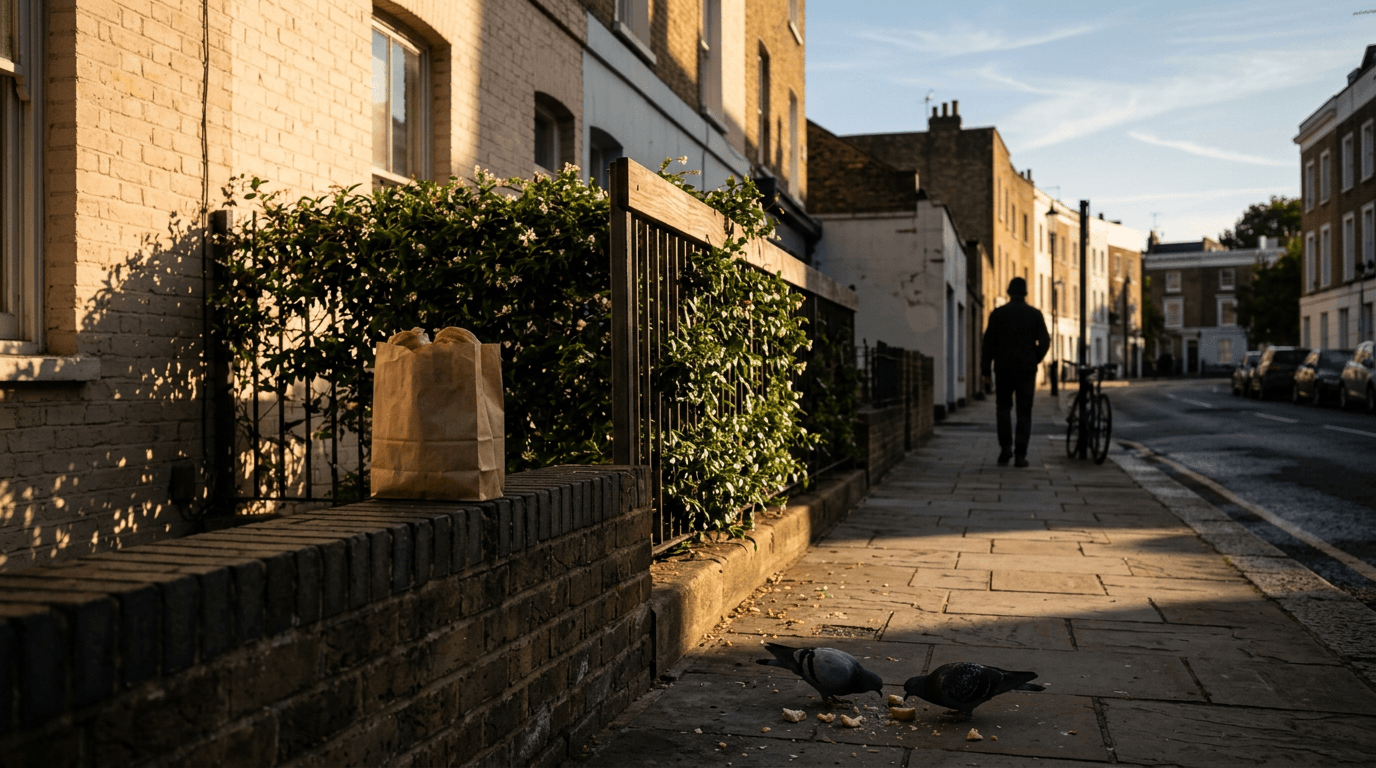


There is something honest about stepping outside after dinner, when the pavement still holds the day's warmth and the streetlights flicker on. We are not training for a race or chasing a calorie burn. We are simply moving, letting the meal settle, and giving our body what it quietly needs. Weight management sounds like a big, complicated project—but it starts here, with a ten-minute walk that feels like nothing at all.
The Walking Habit We Can Actually Keep
Twenty minutes is enough. Harvard researchers found a brisk daily walk can cut the effect of obesity-promoting genes in half—that's a quiet kind of power for anyone who's felt their genetics working against them. And a 15-minute walk can curb a sweet tooth, reducing chocolate cravings and how much we eat when stress hits. We have all had those afternoons when the office candy jar calls our name—walking past it, literally, changes the conversation.
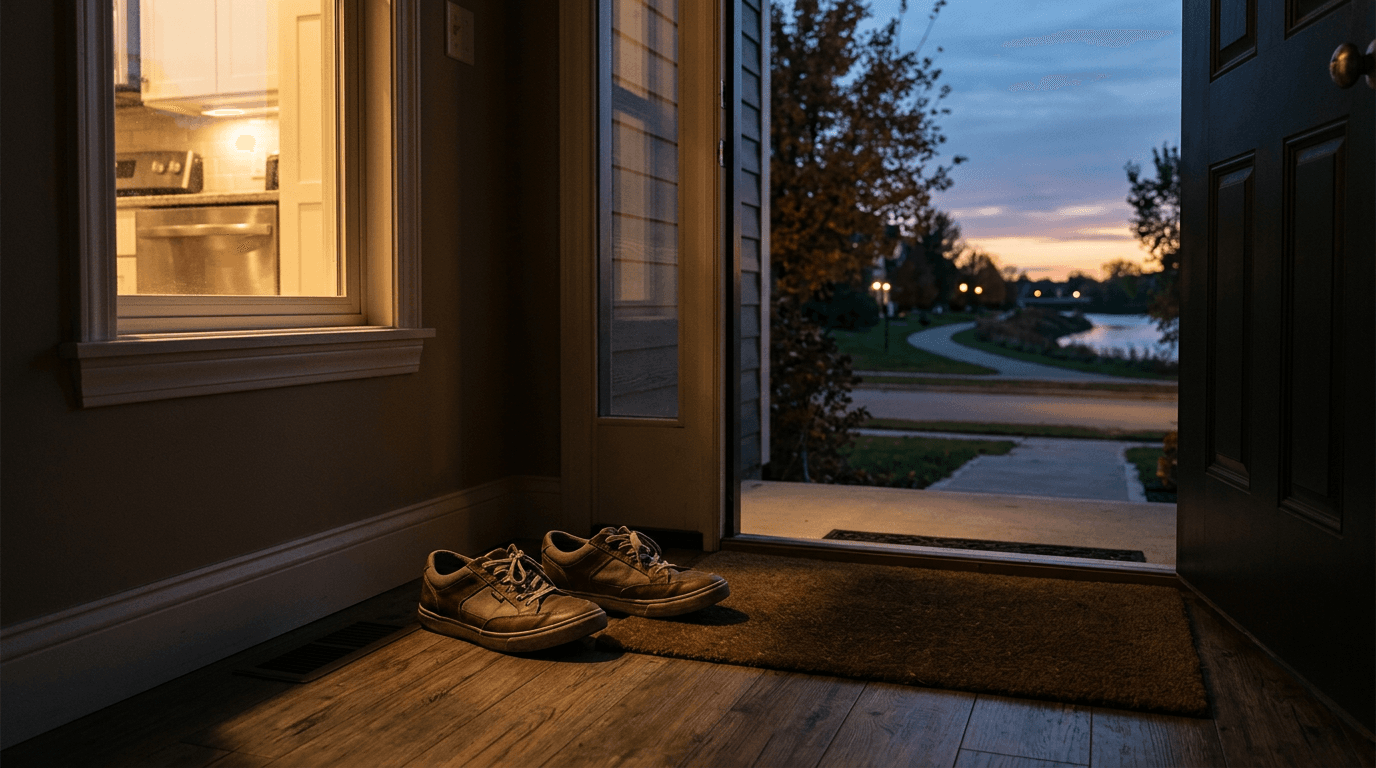
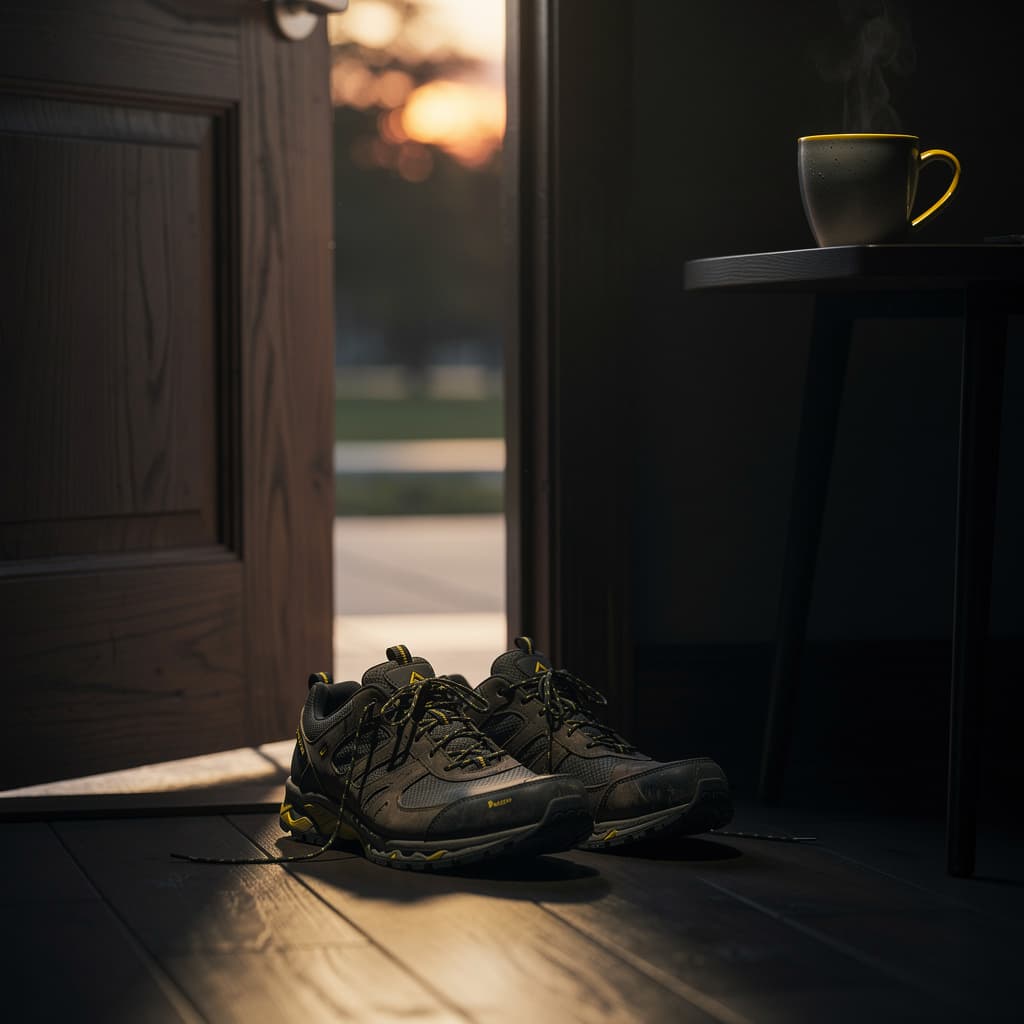
We are not chasing perfection. Three walks a week of 50 to 70 minutes can trim abdominal fat and improve fasting glucose, but we do not need to start there. We start with ten minutes after a meal, shoes by the door, no podcast required. The habit forms when the barrier is low. Keep shoes by the door so the decision happens before our brain finds an excuse. Over time, our jeans fit differently and our energy stays steadier through the afternoon slump.
Stacking the Habit So It Sticks
We all have moments that already exist—brewing coffee, waiting for the microwave, scrolling after lunch. Those are the hooks. Right after we push back from the table, we lace up and step out. Ten minutes, a loop around the block, and we come back to whatever is next. The walk becomes a comma in the day, not a new sentence we have to write from scratch. Pair it with something we already do, and the friction disappears. An evening stroll at dusk can even replace the pre-bed scroll, helping us fall asleep faster and wake less groggy.
We do not need to call it exercise. Call it a reset. A chance to feel the air and notice the neighbor's new flowers. The step count is secondary; the habit is the win. String together a few weeks of post-meal walks, and we have built something diet plans and gym memberships often fail to deliver: a rhythm that belongs to us, not to a program. And because it is small, it survives busy weeks and low-motivation days.
FAQ
Can a short walk really help with weight management?
Yes. A 15-minute walk can reduce cravings for chocolate and stress-eating, and a brisk daily walk can cut the effect of obesity-promoting genes in half. It's not about burning a ton of calories—it's about building a consistent habit that nudges your body toward a healthier set point over time.
Do I need to walk every day to see results?
No. Even three walks a week of 50 to 70 minutes can trim abdominal fat and improve fasting glucose. Start with what fits your life—a ten-minute post-meal walk a few times a week is a solid foundation, and you can build from there as the habit sticks.
What if I miss a day or fall off the routine?
That's normal. The beauty of a small habit is that it's easy to restart. Just lace up after your next meal and walk for ten minutes. No guilt, no catching up—just pick up where you left off. The rhythm returns faster than you think.
References
- 5 surprising benefits of walking - Harvard Health — health.harvard.edu
- 8 Science-Backed Benefits of Walking Daily — runnersworld.com
- Walk this way – it's quite good for you — heart.org
- Walking: Trim your waistline, improve your health — mayoclinic.org
- Walking for wellness: Quick jaunts versus long treks — health.harvard.edu
Always consult a physician before beginning any new physical activity, especially if you have underlying health concerns.