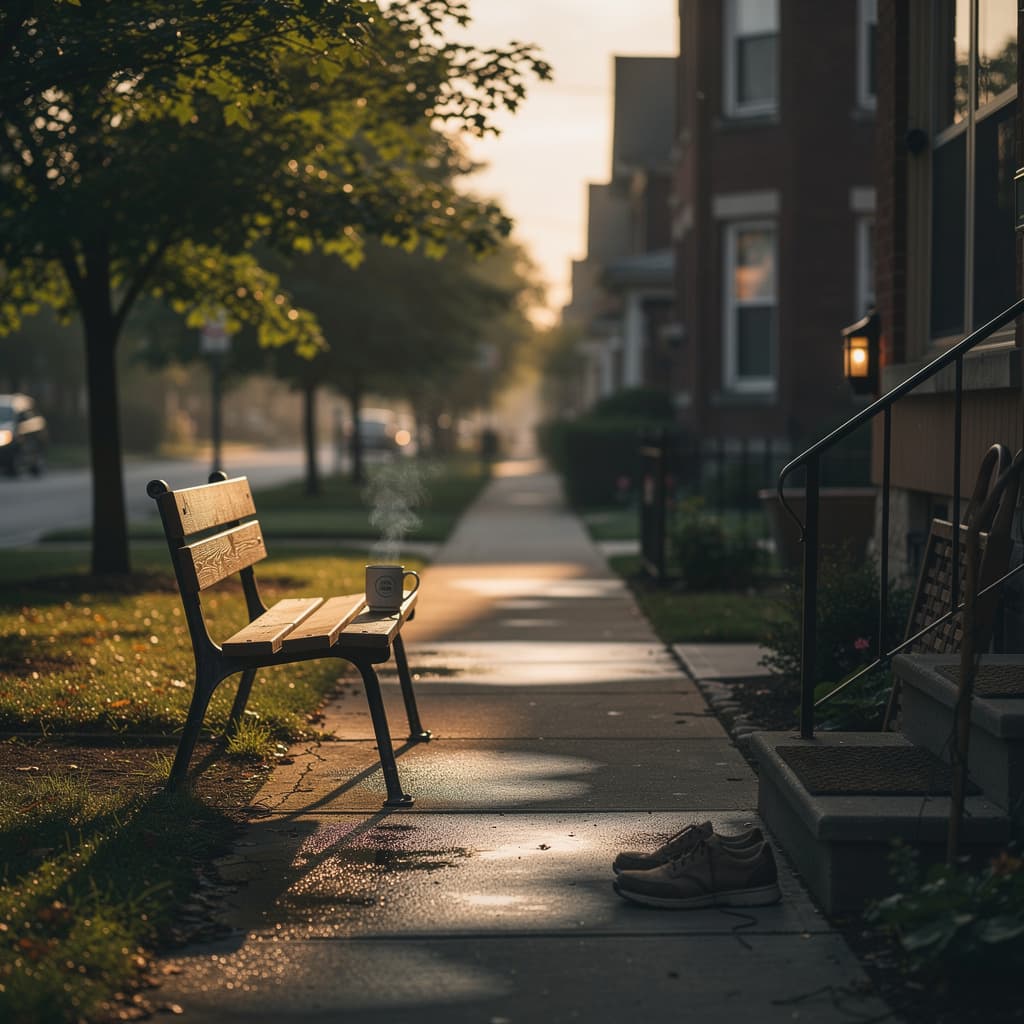


There is a stretch of sidewalk on our block that catches the first real light of the day. The coffee shop hasn't opened yet, the delivery trucks are still idling on the avenue, and the only sound is the scuff of our own footsteps. That walk feels different when the shoes on our feet are quiet. Not pillowy. Not corrective. Just a thin sole and enough room for our toes to move the way toes are supposed to move.
A quieter sole, a stronger foot
We started noticing it a few years ago on the morning loop. A friend showed up in shoes that looked almost like water socks, and she said her plantar fasciitis had faded. We were skeptical, but the science has been stacking up quietly ever since. Researchers at Brigham Young and Harvard Medical School compared two groups: one doing dedicated foot exercises like towel curls and heel raises, and one simply walking in minimalist shoes with a zero heel-to-toe drop and a flexible 3-millimeter outsole. The walking group didn't add steps. They just changed what was on their feet, gradually increasing the time spent in those thinner soles. Over weeks, their foot strength improved on par with the exercise group.
That lands differently when you are standing in your own hallway at 7 a.m. The shoe choice stops being about fashion and starts being about letting the foot do its job. Minimal cushioning and a low heel-to-toe drop encourage a midfoot or forefoot strike instead of hammering the heel, which changes the conversation between our body and the ground. We are not suggesting everyone toss their stability trainers. But for the walker who has no acute injury and wants to rebuild the small muscles that get lazy inside thick midsoles, a gradual shift can feel like waking up a part of the body we forgot we had.
Stack the habit on something that already happens
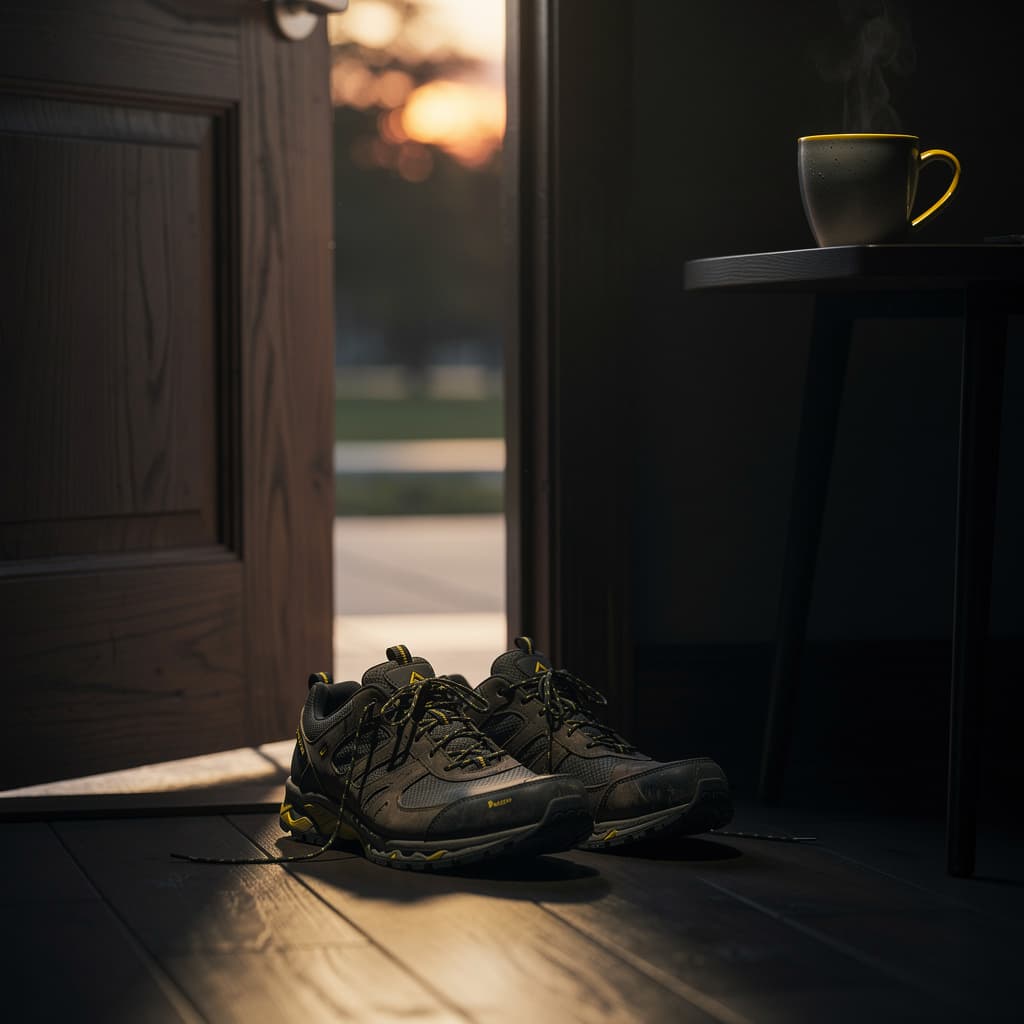
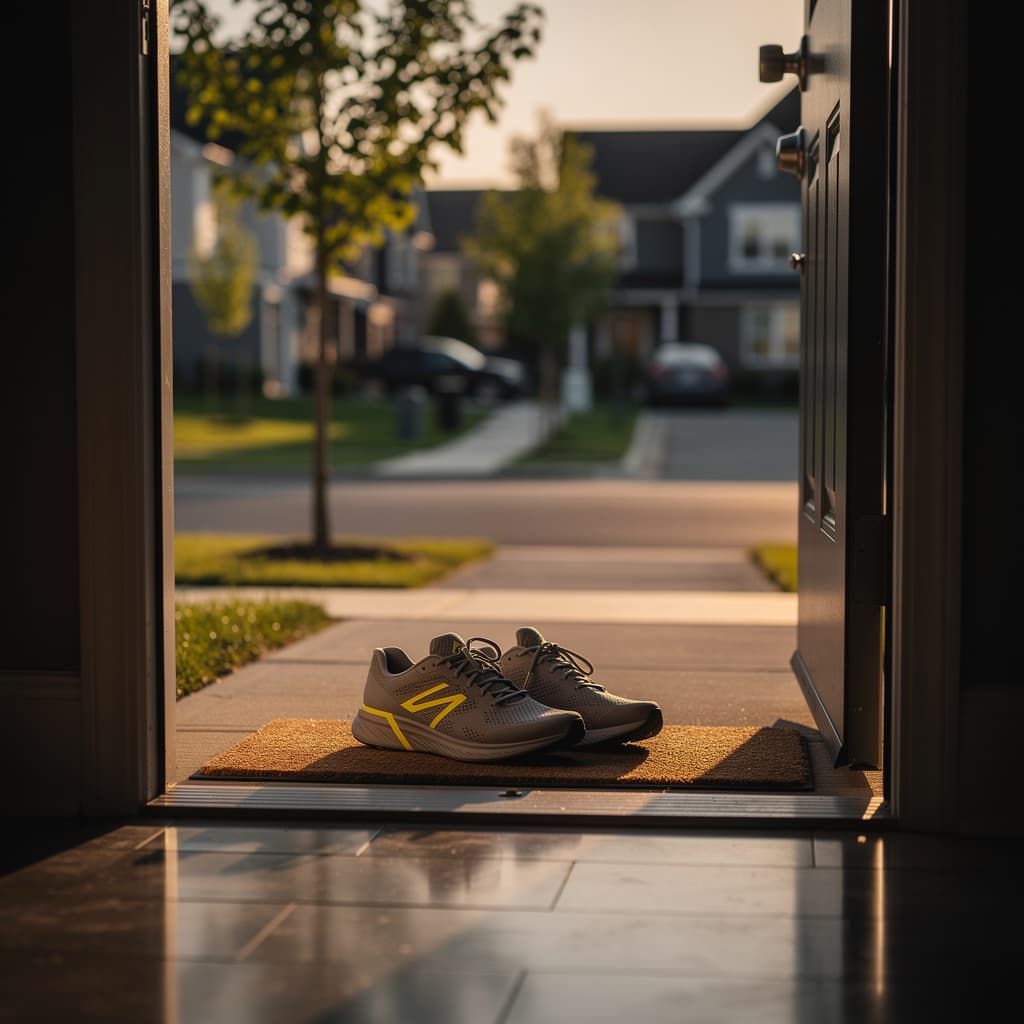
The trick that worked for us was embarrassingly simple. We put the minimalist shoes by the door we use after meals. Not in the closet. Not on the shoe rack in the garage. Right next to the mat where we step out for the post-lunch lap around the block. Ten minutes, no earbuds, no step-count goal. Just the ritual of changing shoes and moving. Blood sugar steadies, the afternoon fog lifts, and the walk becomes a small win we collect three times a day without a second thought.
That placement matters because it removes the decision. When the shoes are visible, the brain doesn't have time to negotiate. We see them, we slip them on, we walk. Habit-stacking works best when the cue is already baked into the day. Meals happen. The shoes are right there. The walk becomes the thing that happens next, not the thing we have to motivate ourselves to do.
The shoe itself doesn't need to be expensive or technical. A roomy toe box lets the toes spread and grip, which helps prevent calluses and gives the foot a more natural base of support. An outsole with some tread keeps us upright on wet pavement. Breathability matters more than we think, especially when we start walking more often and the shoes become a daily uniform. The American Podiatric Medical Association's Seal of Acceptance is a useful shortcut if we want a shoe that has been vetted for foot health, but the real test is how our feet feel after a week of short walks. If they feel awake instead of beat up, we are on the right track.
Try today
Tomorrow morning, before the inbox opens, step outside in the quietest shoes you own. Walk for ten minutes. Notice how each foot strike feels against the pavement, how your ankles adjust to the camber of the sidewalk, how your toes find room to breathe. If you have been in thick, supportive shoes for years, start with five minutes and add a minute each day. The goal is not distance or speed. The goal is to let the foot remember its own strength. Keep the shoes by the door. Let the habit build itself. And if you feel a new kind of tired in your arches the next day, that is not a setback. That is the small win.
Please consult a physician or healthcare professional before making significant changes to your footwear or walking routine, especially if you have existing foot conditions or pain.
References
- Benefits of Minimalist Shoes - Why You Should Walk in Minimalist Shoes — runnersworld.com
- The right shoe for walking and running — health.harvard.edu
- Features of a walking shoe — mayoclinic.org
- The 9 Best Walking Shoes of 2026 - Most Comfortable Shoes — runnersworld.com
- Incredible medicine for aging well: Walking! — connect.mayoclinic.org