

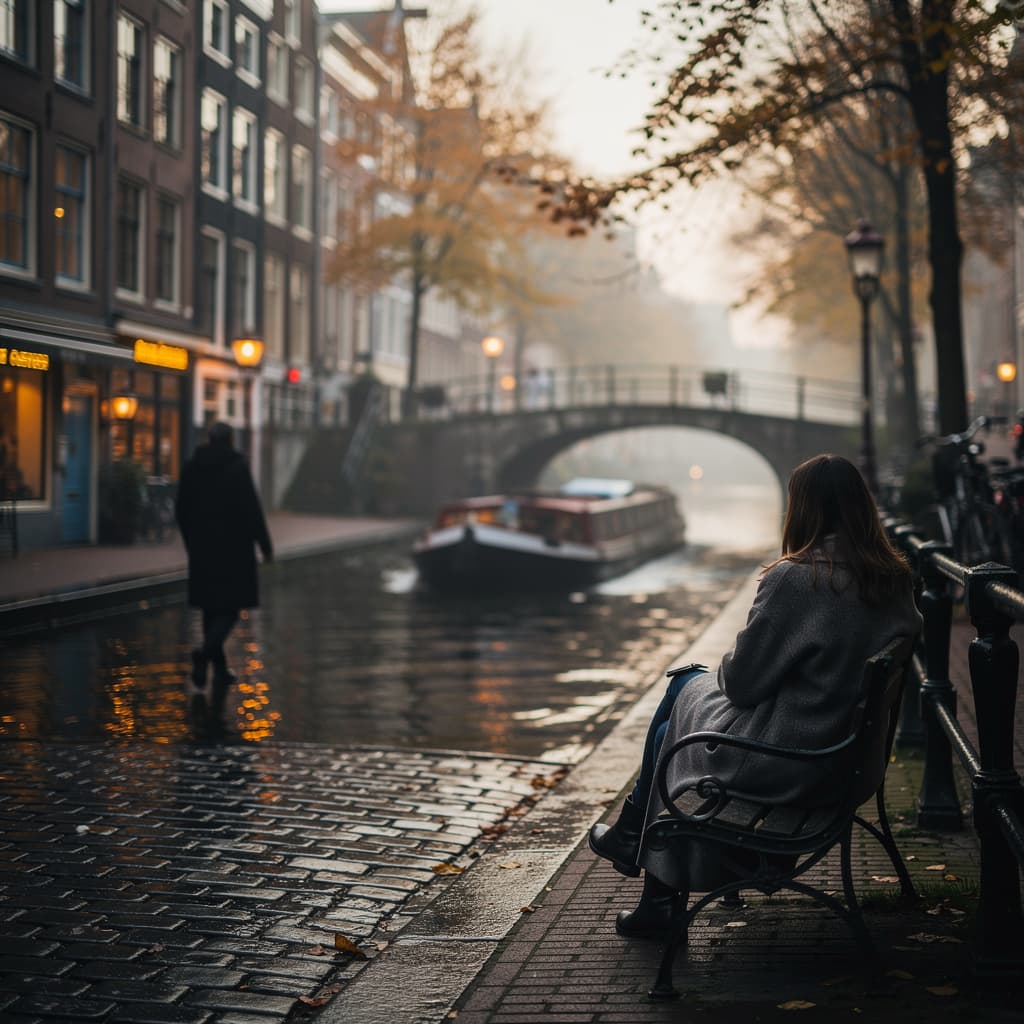
At half past eight on a Saturday morning, the lane beside the canal in Amsterdam’s Jordaan district smells of damp leaves and fresh bread from the bakery with the blue door. A woman in a wool coat stops to tighten her shoelace on a bench that wasn’t there last month, and a barge slides under the bridge with a low rumble. The walker who chooses no particular destination inherits a city that maps cannot capture. There is no app for the way the light hits the water at this hour, or for the quiet that settles between two delivery scooters.
What Unfolds When You Let the Street Lead
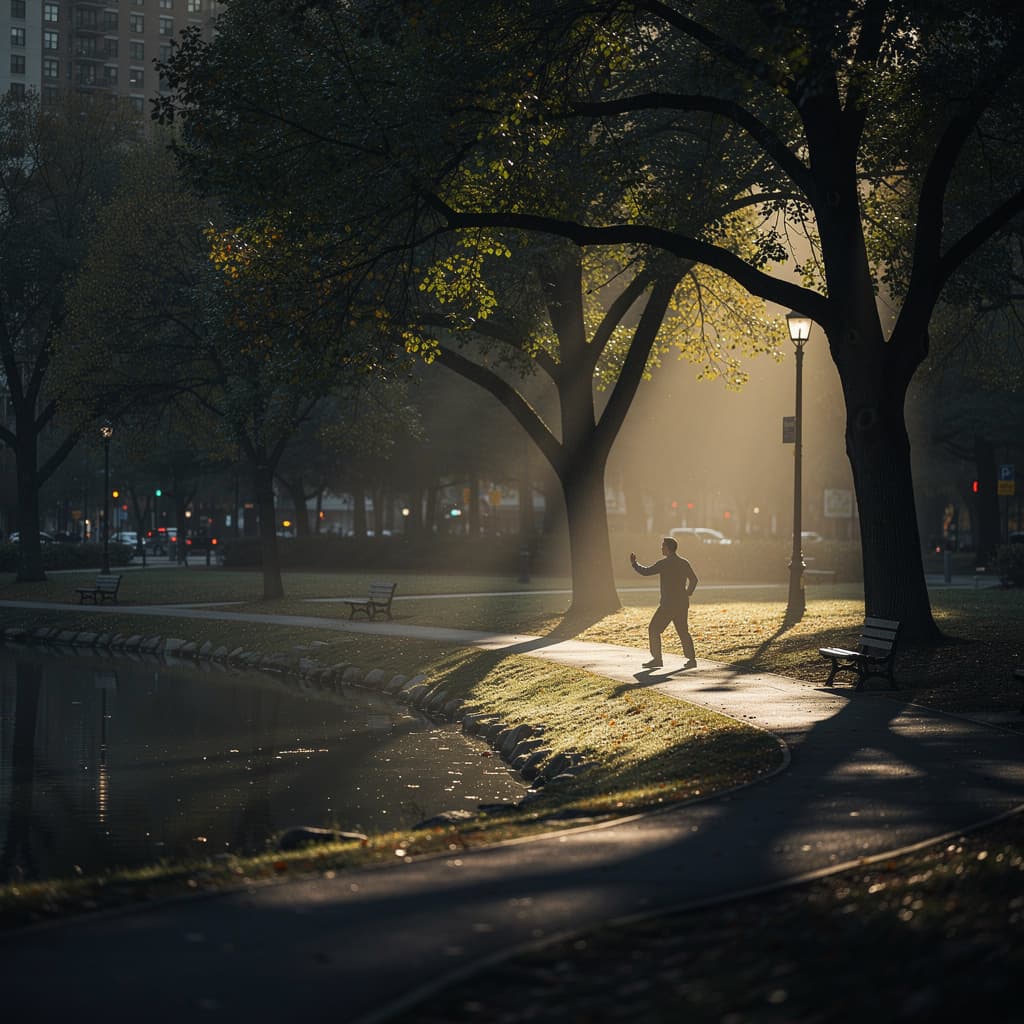
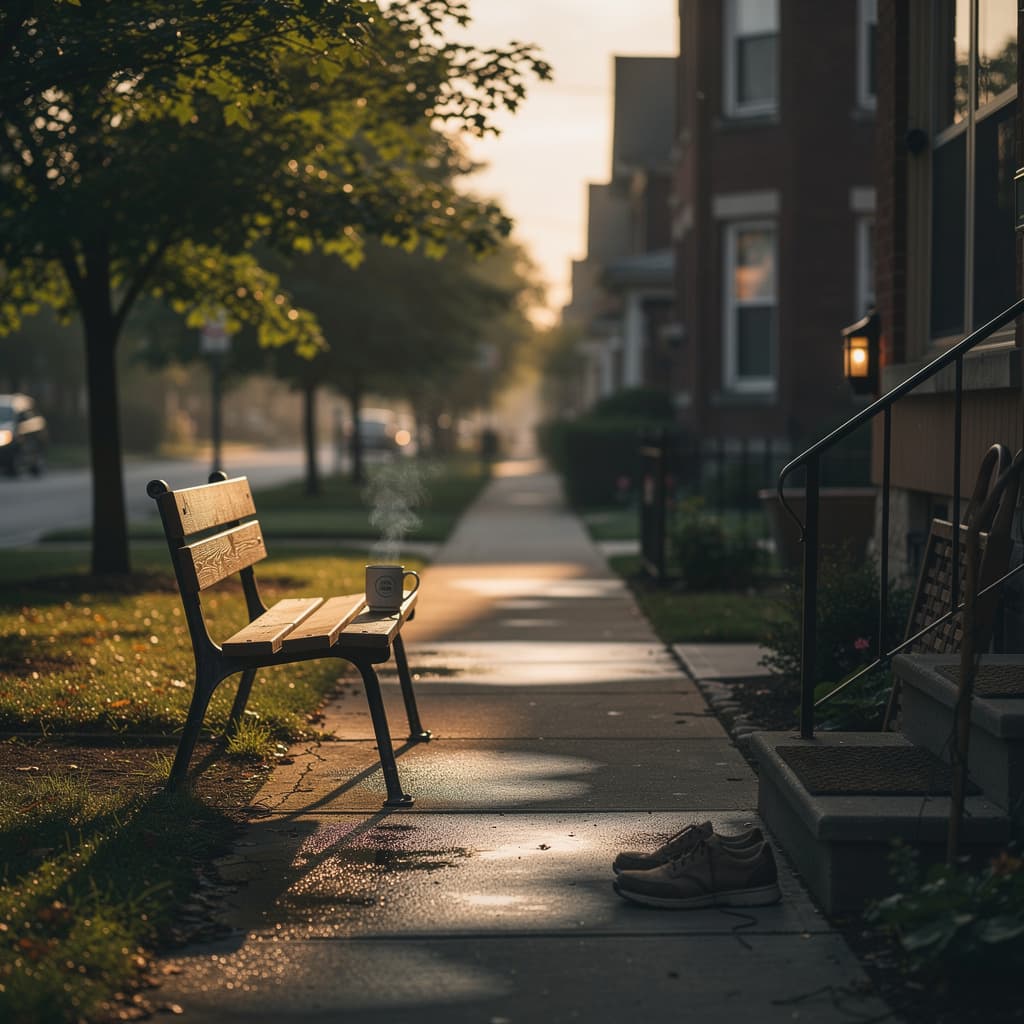
The lane behind the Westerkerk looks the same on every map but changes character three times before noon. At dawn it belongs to the elderly tai chi practitioners and a sleeping dog near the church wall. By ten it belongs to delivery scooters and a man in a faded jacket carrying a paper bag back toward the river. By lunch, a small queue forms outside a noodle shop nobody seems to advertise. Walk the same block four times in one morning and you have visited four different places. On a recent Saturday, I followed a group of residents from a health practice club as they traced a neighborhood walking course they had designed themselves—a loop that passed a community garden, a bench with a view of the canal, and a crossing where the traffic lights gave them just enough time. They pointed out things a stranger would miss: the house where a woman feeds stray cats at seven, the café that opens late on Sundays, the spot where the pavement buckles and needs reporting.
In cities around the world, older adults have been quietly mapping what makes a walk feel possible. In Ottawa, consultation participants asked for more public benches, washrooms, and better lighting along pathways, noting that a simple place to sit could turn a daunting route into a daily ritual. In Portland, they spoke of green spaces that foster bird and animal watching, and of the need for address numbers on buildings to make navigation easier. These are not grand infrastructure projects. They are the small, human-scale details that determine whether a neighborhood invites you in or turns you away.
The Senses Take Over
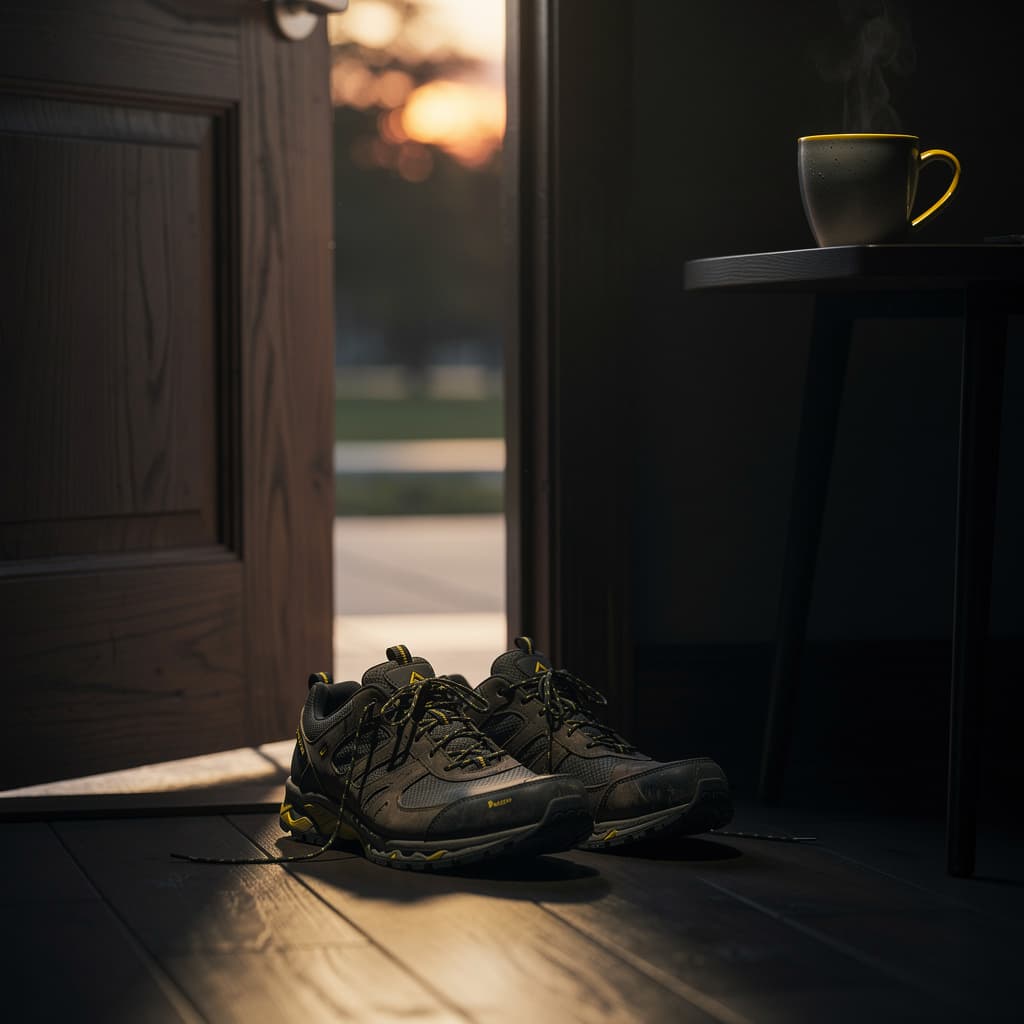
Sound arrives first. In the Jordaan, it is the metallic complaint of a bakery shutter, the clink of a bicycle chain, the distant chime of the Westerkerk bells. Smell follows: butter, then diesel, then the sudden sweetness of waffles from a street cart. Touch comes through the soles of your shoes—the uneven cobblestones, the smooth asphalt of a newly paved path, the gritty sand left by a winter that refuses to leave. A good walking shoe, like the Asics Gel-Cumulus 28, offers a rocker geometry that makes long wanders feel effortless, though the shoe can feel heavy at first. But the real equipment is attention. You notice the way the wind moves across the canal, the texture of moss on a bridge railing, the warmth of a south-facing bench that someone placed there with care.
In Gothenburg, the city’s age-friendly assessment noted that separate lanes for pedestrians and cyclists make a walk feel safe rather than stressful. In Portland, older adults asked for lighting spaced closer together throughout all neighborhoods, not just the busy ones. These requests are not about comfort alone; they are about the freedom to wander without constant vigilance, to let the senses take over because the body feels secure.
An Invitation, Not a Command
This weekend, step out at a time you usually don’t. Seven in the morning if you are a late riser, or late afternoon if you are an early one. Pick a street you have driven past a hundred times but never walked. Notice where the benches are, and where they aren’t. Notice the crossings that feel rushed and the ones that let you linger. If you find a place you want to sit, sit. If you find a path that leads somewhere unexpected, follow it. The city reveals itself slowly, and only to those who give it time.
Walking is not a means to an end. It is the end itself—a way of belonging to a place, of inheriting its rhythms and its secrets. And if you have any concerns about your health or physical readiness for walking, consult a physician or healthcare professional before making changes to your routine.
References
- Cycle Action Plan for Age-Friendly City Creation — World Health Organization
- Ottawa Older Adult Consultation Findings Summary — World Health Organization
- Portland, Oregon, USA Age-Friendly Assessment — World Health Organization
- The 11 Best Walking Shoes of 2026 — Runner's World
- Gothenburg Baseline Assessment — World Health Organization