

Fitness apps have exploded in popularity, transforming how we approach our workouts and health. But while tracking steps, sleep, and strain can be enlightening, many users are now feeling the weight of their own data—what we might call fitness app fatigue. This phenomenon isn't just about the apps themselves; it’s a reflection of our relationship with technology and wellness.
What it is
Fitness app fatigue refers to that sinking feeling when the barrage of notifications, data points, and goals becomes too much to manage. What began as a simple tool for motivation can morph into a source of stress. Users often find themselves at the intersection of wanting to achieve their fitness goals and feeling overwhelmed by the constant demand for tracking and reporting. It’s like having a personal trainer in your pocket that never stops talking.
How it works
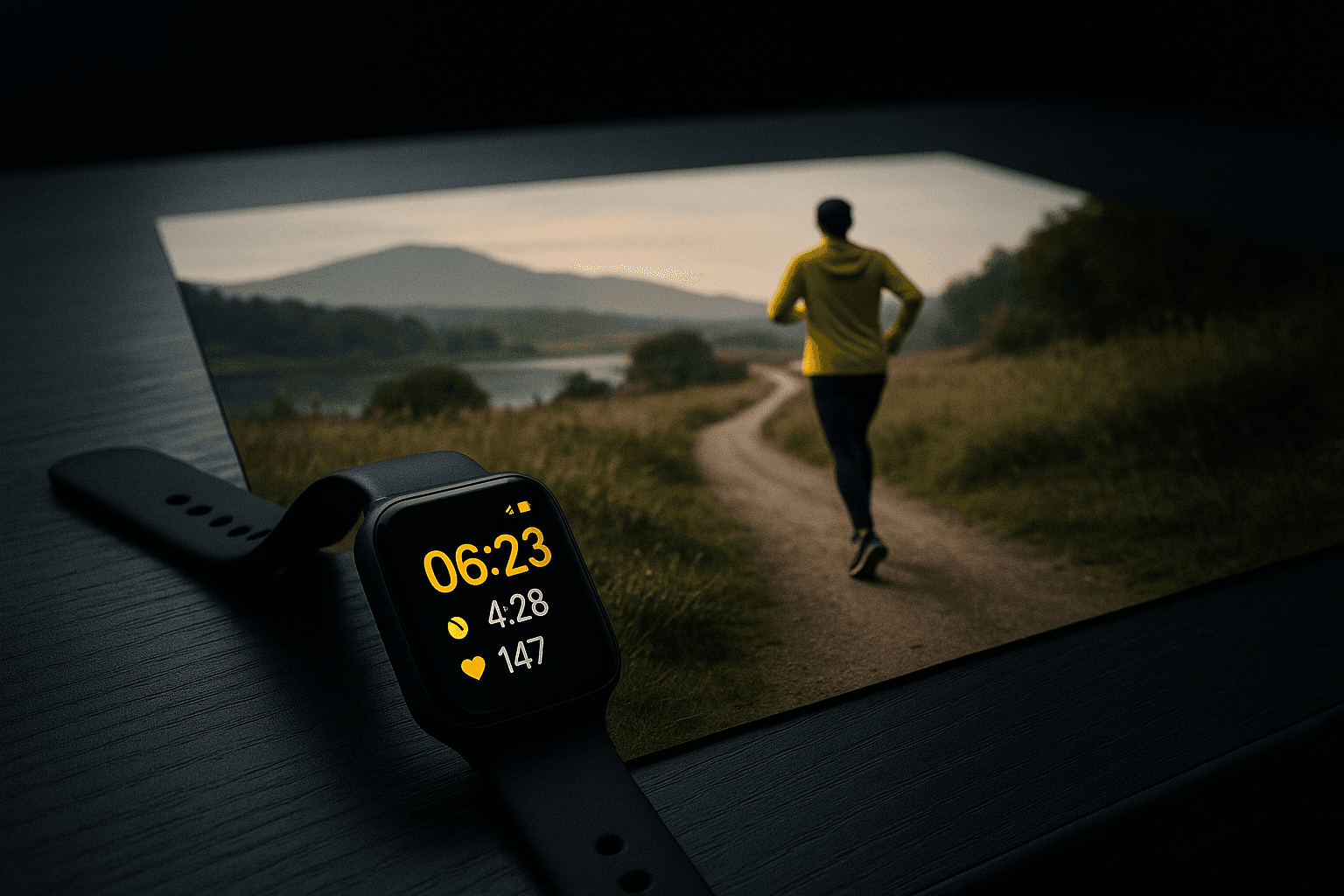
Most fitness apps are designed to track various metrics—steps, heart rate, calories burned, and even sleep quality. They operate primarily through the sensors embedded in our smartphones or wearables. For example, a device might analyze your sleep patterns and provide insights, but it also inundates you with data that can lead to a sense of obligation. As with any tech, the goal is to enhance your experience, but that can easily tip into a chore when you feel pressured to meet daily targets. Even apps that promote a balanced approach to exertion and rest can contribute to this fatigue if they become overly prescriptive.
Why it matters for movement / health
Understanding fitness app fatigue is crucial because it directly impacts how we engage with our health. A tool that should empower us can instead lead to burnout or disengagement from exercise altogether. For instance, when users prioritize hitting daily step counts over actually enjoying physical activity, they may lose sight of why they started exercising in the first place. The paradox is that while these apps can offer valuable insights—like detecting sleep quality with impressive accuracy—they can also create an environment where users feel they must constantly perform. This can be particularly challenging for those managing chronic conditions, where balance and moderation are key.
Open caveats
It’s important to recognize that not all fitness apps contribute to fatigue; some can be incredibly supportive, striking that vital balance between motivation and rest. However, the sheer volume of options can lead to decision fatigue, making it hard to choose the right one. Moreover, privacy concerns linger as we share more personal data with these platforms—what happens to our information, and how is it used? As we navigate our fitness journeys, incorporating technology should enhance our experience, not complicate it. The best advice? Use these tools as a guide and not a mandate. Tune into your body and remember that sometimes less is more.
References
- Fatigue Science Lets Pro Sports Teams Track Their Athletes' Sleep — techcrunch.com
- My fitness tracker is a secret weapon against my chronic illness — theverge.com
- Early adverse physiological event detection using commercial ... — sites.mit.edu
- Evaluating Muscle Fatigue With Non-Invasive Approaches — ieeexplore.ieee.org
- Why You Should Consider a Coros Watch Instead of a Garmin (2026) — wired.com