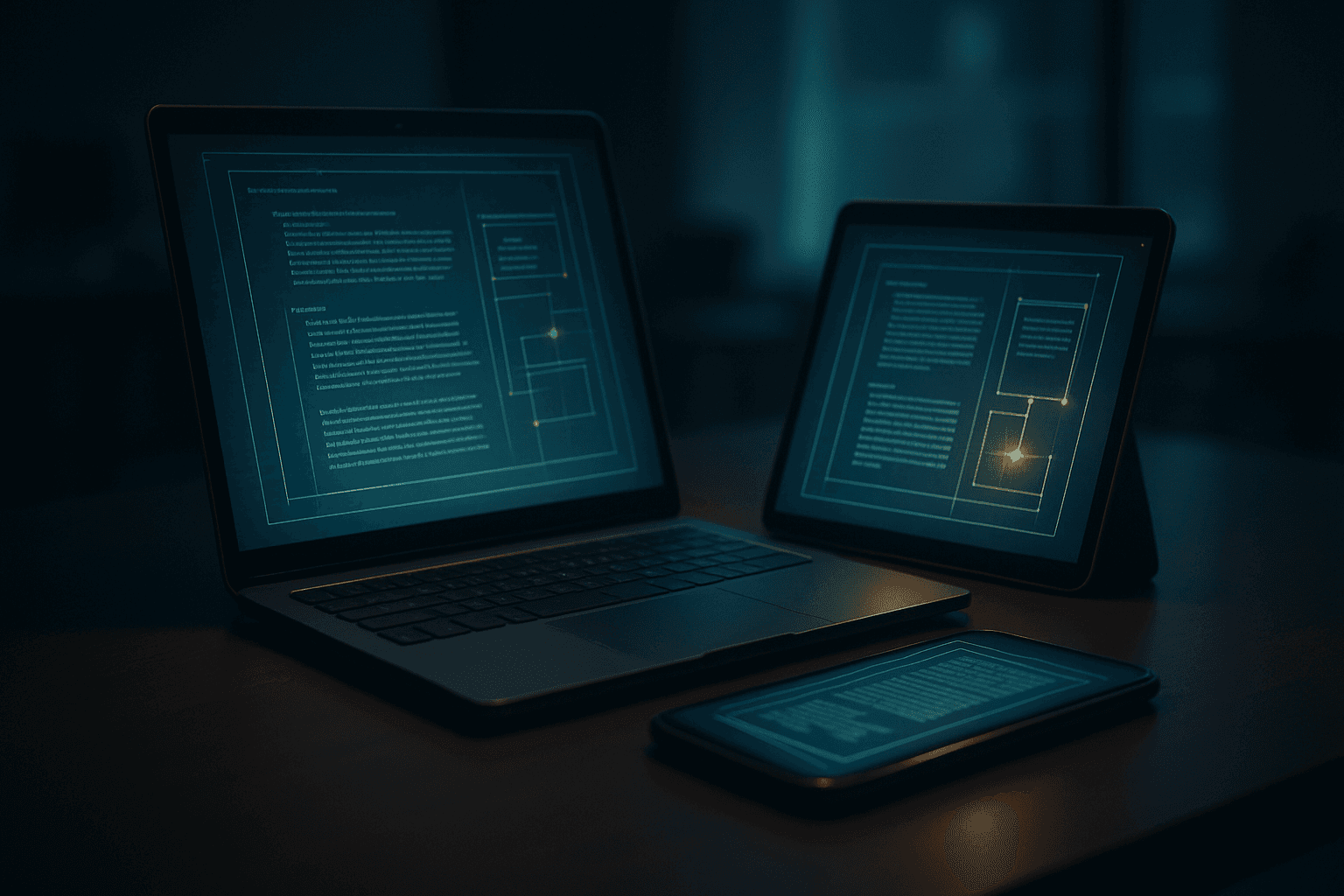


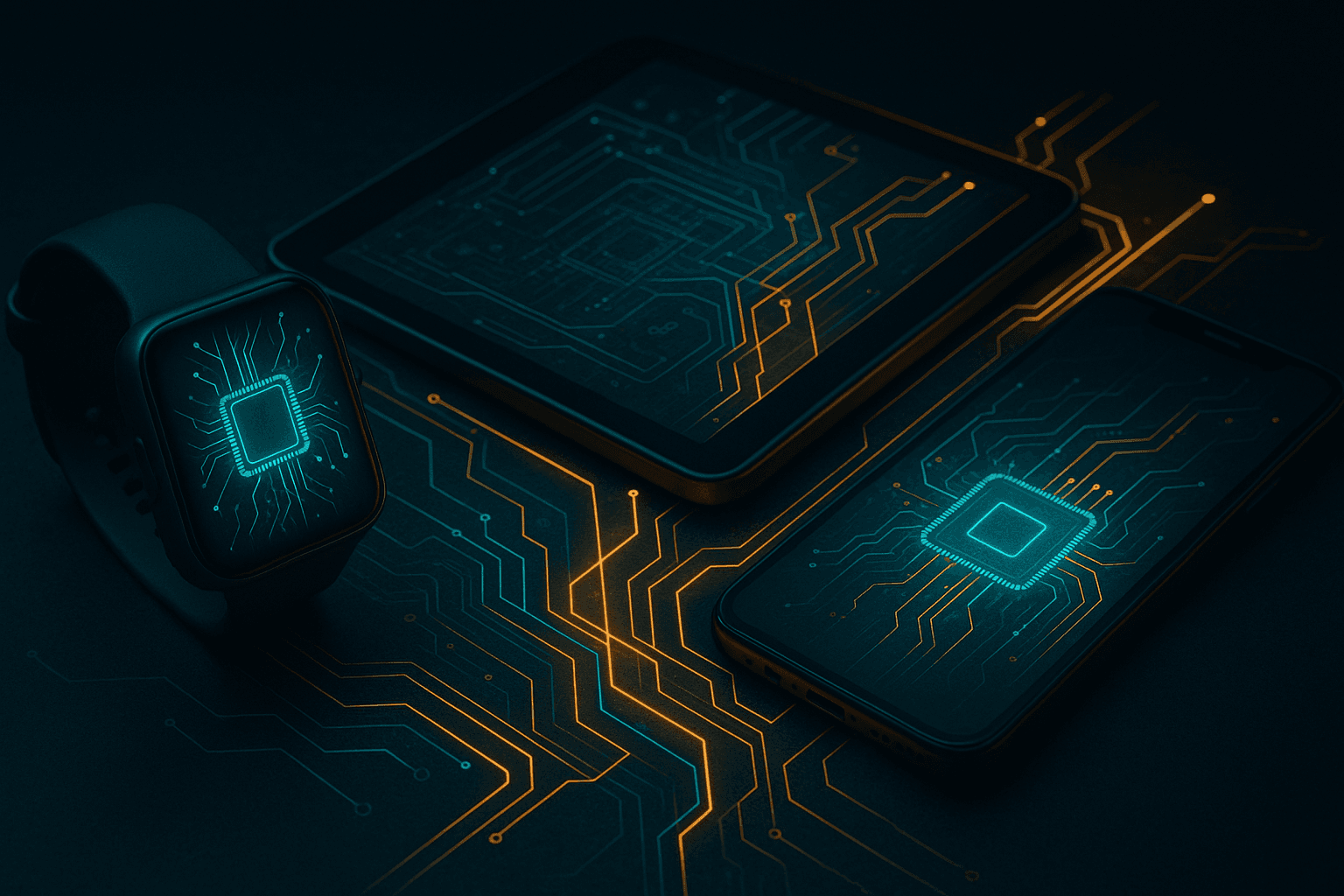
Multi-device synchronization operates like a complex symphony, where each instrument represents a device communicating harmoniously within a system. At its core, this process aims to keep data consistent and up-to-date across various platforms, whether that’s your smartphone, tablet, or smartwatch. However, it’s not merely about sending signals back and forth; it involves a layered architecture that can be both elegant and fraught with challenges.
The system
The synchronization system typically consists of three main components: the sensors, the synchronization model, and the application layer. Each plays a pivotal role in ensuring that devices remain in sync while responding to updates or changes in data. The sensors act as the eyes and ears of the system, collecting data from their environment. This information then feeds into a synchronization model, which processes the data and resolves any discrepancies before passing it to the application layer, where users interact with the content.
Each layer
Starting at the sensor layer, devices like fitness trackers or smartwatches gather real-time information, such as heart rates or step counts. These sensors often employ various technologies, including accelerometers and GPS, each with its own limitations. For instance, a GPS might struggle in dense urban environments, leading to inaccuracies that ripple through the entire synchronization process. Moving up to the synchronization model, this is where the magic—or chaos—truly unfolds. Here, algorithms work tirelessly to ensure that data from disparate sources aligns correctly. They implement strategies like timestamping and vector clocks to manage updates across devices efficiently.
Finally, we reach the application layer, where users receive the synchronized data. This is often the most visible part of the system, but it’s essential to remember that what users see is the end result of a complex process. If the synchronization model encounters issues—such as network latency or device compatibility—the user experience can falter. For instance, if one device updates its data before another has synced, the resulting discrepancies can confuse users and undermine trust in the system.
Edge cases
Edge cases are where synchronization really gets interesting. Consider a scenario where a user edits a document on their tablet while simultaneously making changes on their laptop. Without a robust synchronization mechanism, the risk of conflicts increases. Some systems handle this by queuing updates and resolving them based on timestamps, while others might prioritize one device over another, creating potential data loss or inconsistency.
In multi-GPU configurations, for instance, peer access allows one GPU to read another’s memory directly, creating opportunities for optimization but also increasing the risk of data races—situations where two processes try to access the same resource simultaneously. This parallelism complicates the synchronization model, requiring careful design to ensure data integrity across all devices.
What breaks
Understanding what can break in a synchronization system is crucial for engineers and users alike. Bad network connections can delay updates, leading to stale data. Similarly, differences in device capabilities can cause failures in synchronization. For example, an older smartphone may not support the latest API, preventing it from receiving crucial updates from a newer device. Furthermore, failure modes often reveal the design choices engineers make. For instance, prioritizing speed over accuracy might lead to faster updates but at the expense of data integrity.
Moreover, the architecture of synchronization systems varies widely based on use cases. Some rely heavily on cloud services to manage updates and data storage, while others might use a decentralized approach, where devices communicate directly with one another. Each choice carries its own set of trade-offs, affecting everything from data consistency to system resilience.
In summary, multi-device synchronization is a layered affair, where understanding the intricate dance between sensors, models, and applications can illuminate both the strengths and weaknesses of the system. By recognizing how each layer interacts and the potential pitfalls that arise, we can better appreciate the complexities involved and make informed decisions about the technology we rely on.
References
- A Study of Single and Multi-device Synchronization Methods — arxiv.org
- Digital Twin Synchronization: towards a data-centric architecture — arxiv.org
- Tutorial on Synchronization: A Key Function in Time-Sensitive Networks — ieee.org
- File Synchronization with Vector Time Pairs — publications.csail.mit.edu
- LPU: A Latency-Optimized and Highly Scalable Processor for Large Language Model Inference — arxiv.org