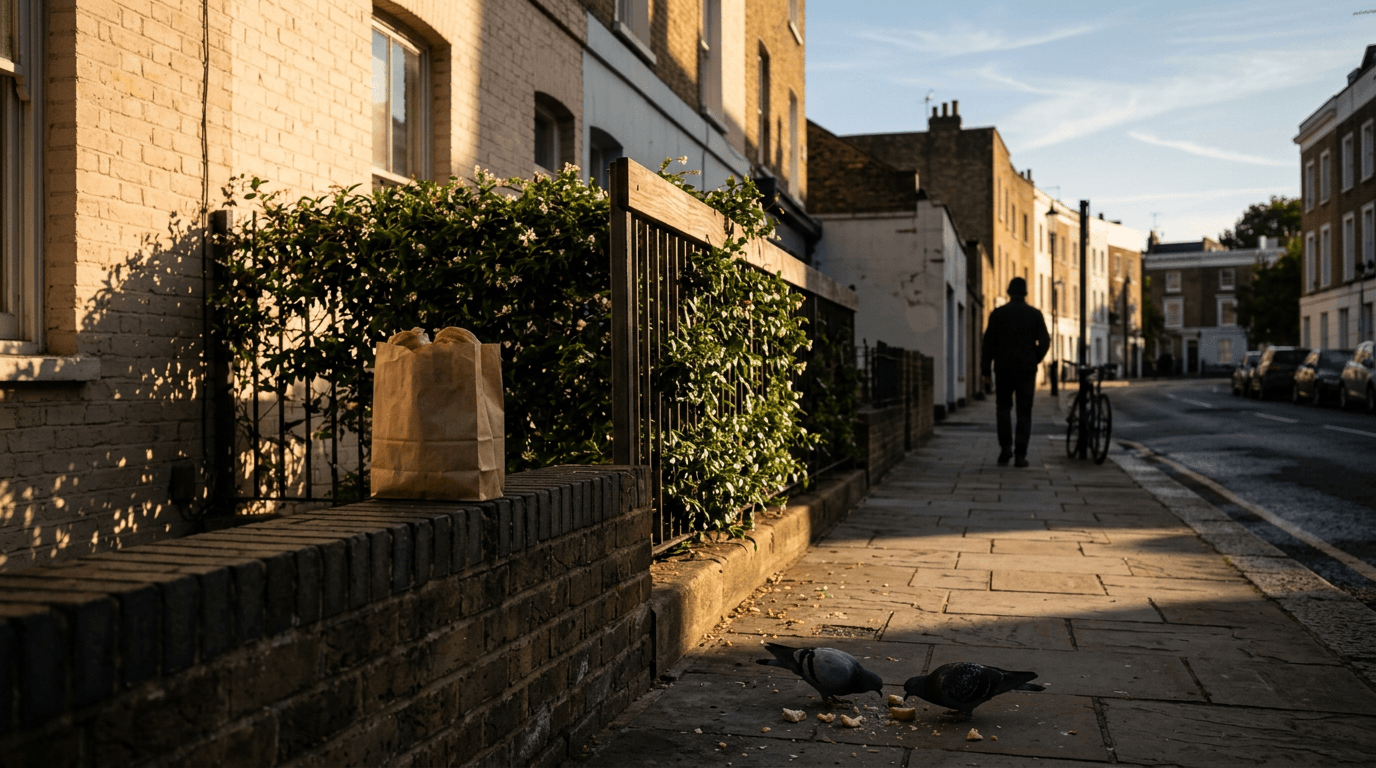


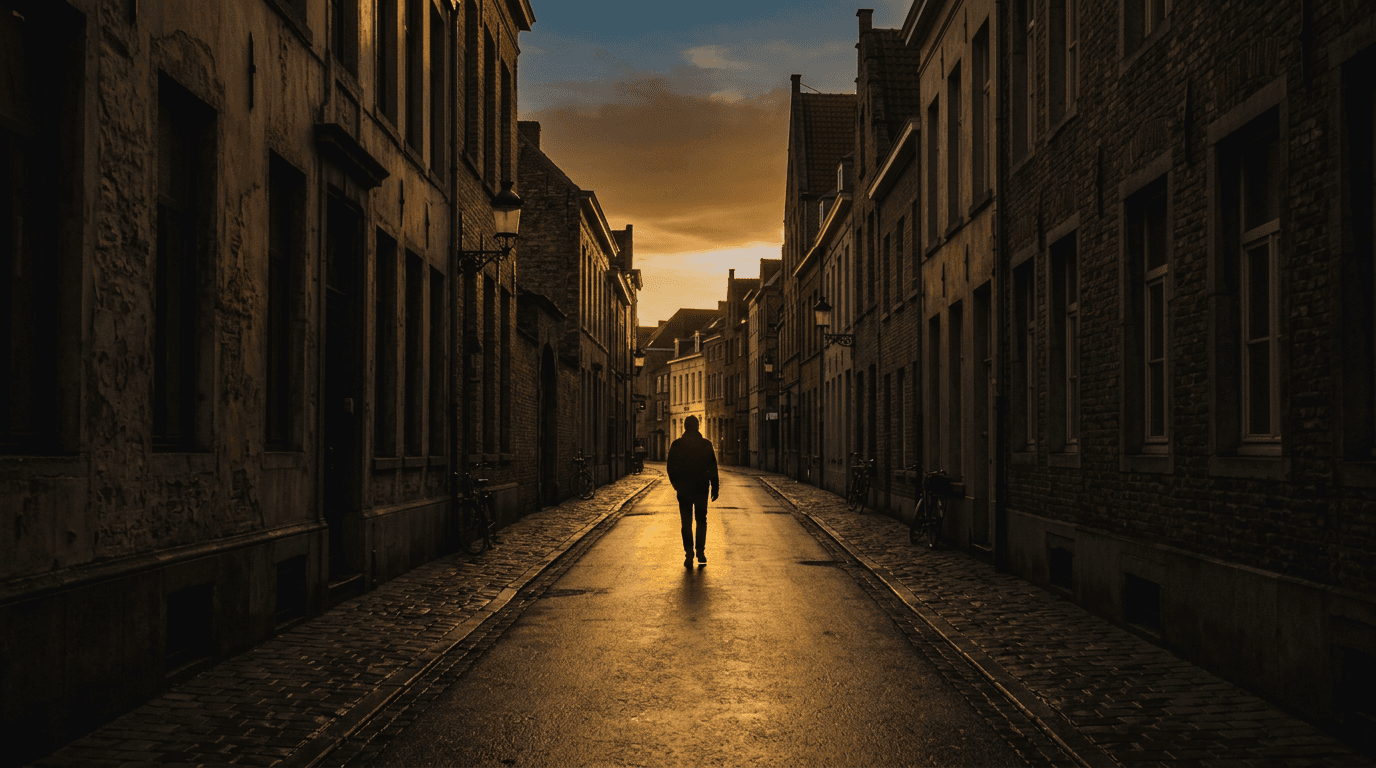
At seven in the morning the lane behind the temple is still cool, the light falling flat against the walls, showing every crack and patch of moss. A man in a faded jacket sweeps his doorstep with slow, deliberate strokes. The walker who steps out at this hour has no errand, no map, no destination. The city has not yet put on its busy face. This is the hour when the street belongs to itself.
The Unrouted Hour
Leave the phone at home or turn it off. The point is to walk without a route, to let the feet choose. Turn left where you usually turn right. Cross the street for no reason. Stop when a smell catches you—fresh bread, diesel, wet earth. The walker who walks with no destination inherits the city in a way the commuter never does.
The World Health Organization notes that walking requires no fare, no fuel, no licence and no registration. It is the most democratic form of movement. But the destination-less walk adds something else: it removes the pressure of arrival. There is nowhere to be, so every step is the point.
What Unfolds
At the corner, a woman hangs laundry from a second-floor window. Two streets over, a delivery scooter idles while the rider drinks tea. A dog sleeps in a patch of sun, one ear twitching. The walker sees all of this because there is no hurry. The lane behind the market changes character by the minute: at eight it belongs to crates and vendors; by nine, to shoppers; by ten, to a man selling roasted sweet potatoes from a cart. Walk the same block four times in one morning and you have visited four different places.
This is not a route. It is a drift. The feet know where to go, even when the mind does not.
The Sensory City
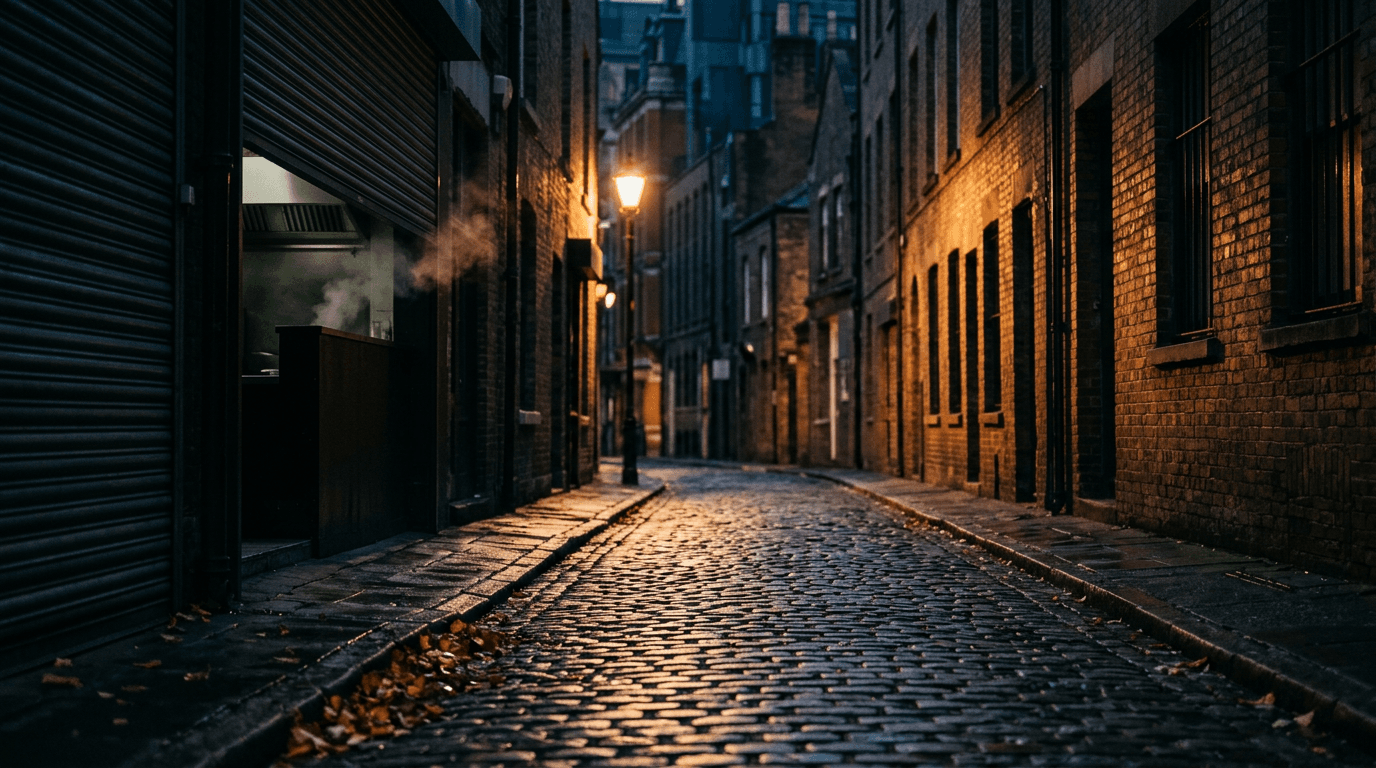
Smell is the first map. Damp concrete, jasmine, frying oil, the faint metallic tang of a bus idling. Sound follows: the clatter of shutters, the hiss of a pressure cooker, the murmur of a radio from an open window. Texture matters too—the rough grain of a brick wall, the cool smoothness of a metal railing, the uneven cobbles underfoot. A walk with no destination is a full-body conversation with the city, and the city answers in details.
Harvard Health suggests that distractions or goals—along the journey or at the destination—can revitalize a walking routine. But the destination-less walk flips that: the goal is the walking itself, and the distractions are the gifts. The journey is the destination, and the destination is wherever you happen to stop.
An Invitation, Not a Command
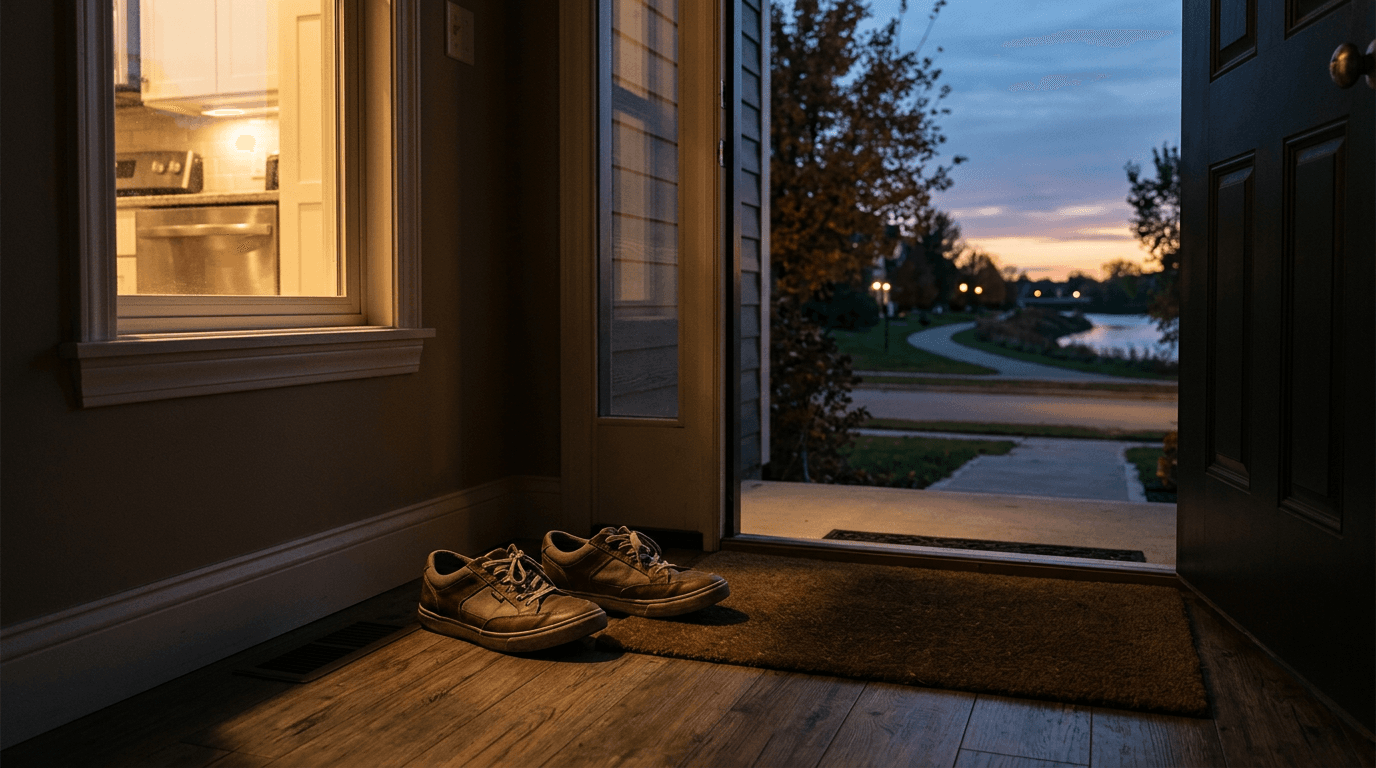
Tomorrow morning, before the day fills its calendar, step outside. Do not decide where you are going. Let the first turn choose you. Walk until you feel like stopping, then walk back. Notice the smell of the air, the sound of your own footsteps, the way the light moves. There is no app for that part. The city is waiting, and it has no schedule for you.
And if you have any health concerns that might affect your walking—pain, dizziness, shortness of breath—please consult a physician before you set out.
FAQ
Isn't a walk without a destination just a waste of time?
Only if you measure time by what you produce. The unrouted hour is not about output; it's about input—the smells, sounds, and sights that a commuter never notices. It's a reset for the mind, not a task to tick off.
How do I start if I'm used to always having a goal?
Pick a time when you have no deadline—early morning or late evening. Leave your phone at home, or at least turn off notifications. At the first intersection, let a coin decide: heads left, tails right. The point is to surrender control, not to plan.
What if I get lost?
That's the best part. You're not lost; you're exploring. If you're truly worried, keep a general sense of direction or walk in a loop. But the magic happens when you don't know exactly where you are—that's when you notice the details you'd otherwise miss.